Theatre District: How Lisbon is revitalising the 1920s Parque Mayer neighbourhood
Project: Bringing the home of ‘revue theatre’ back to life through theatre refurbishments and cultural programming

Parque Mayer has a unique place in Lisbon’s cultural history, extending far beyond its function as a theatre and entertainment district. Created in 1922, it soon became known as the ‘Broadway of Lisbon, bringing together theatres, restaurants and performance spaces. For nearly a century, it has embodied the city’s cultural memory and identity, reflecting successive phases of Portuguese entertainment.
Architectural legacy and cultural identity
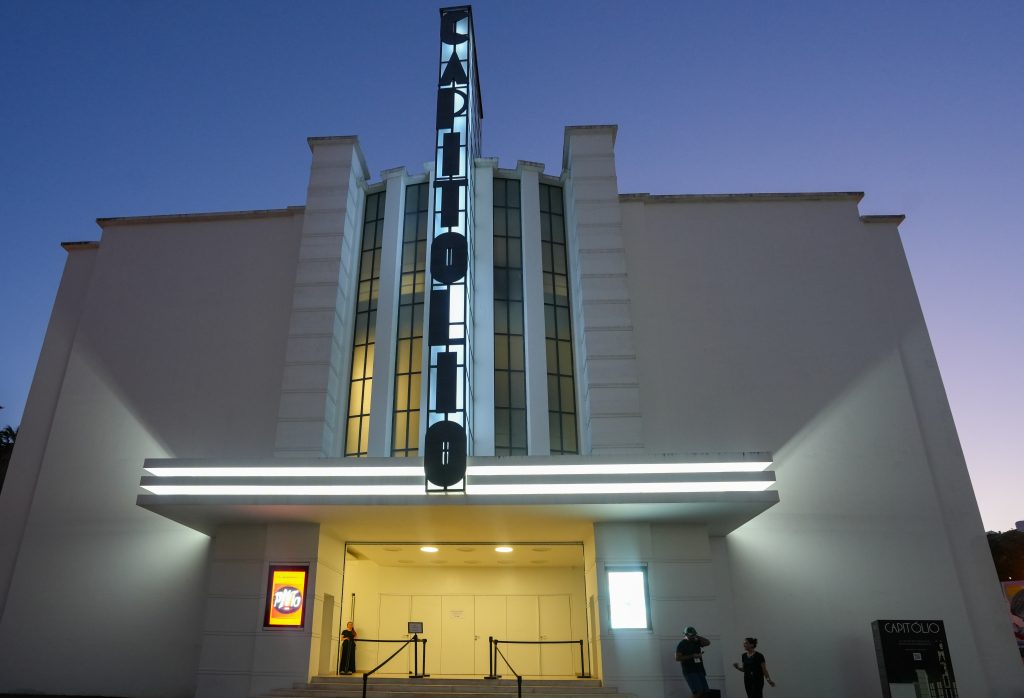
From the Maria Vitória to the Variedades, Capitólio and ABC theatres, each venue reflected a different era of Lisbon’s artistic and architectural history. The Cineteatro Capitólio, designed by Cristino da Silva in 1931, is recognised as a landmark of Portuguese modernism and classified as a Property of Public Interest. Situated between the Botanical Garden, Príncipe Real and Avenida da Liberdade, Parque Mayer also became a symbolic space of Lisbon’s cultural identity — associated with bohemian life, social criticism and the mingling of different social classes in the heart of the city.
The district was the great stage for ‘revue’ theatre, a popular genre that combined humour, music, dance and sharp social and political criticism. Generations of celebrated actors, musicians and comedians performed there, making it one of the most important cultural hubs of the 20th century. This tradition positioned Parque Mayer as a guardian of living heritage, ensuring that popular theatre remained accessible to diverse audiences and reinforcing culture as a collective, democratic experience.
Revitalisation and urban renewal
By the 1970s, the Parque Mayer district faced decline: dwindling audiences, fires, neglect and even demolitions, such as the loss of the ABC Theatre. For decades, it stood as a ‘cultural wound’ marked by failed promises of rehabilitation. Yet the Maria Vitória Theatre endured, keeping the ‘revue theatre’ tradition alive even during periods of crisis. Its survival preserved both the artistic legacy and the memory of a cultural meeting point that had long shaped Lisbon’s identity.
The reopening of the Capitólio in 2016 and the Variedades in 2024, combined with the resilience of the Maria Vitória, signalled a new chapter for Parque Mayer. Today, it is once again central to Lisbon’s cultural scene, balancing tradition with innovation through theatre, music, dance and contemporary performance. Current redevelopment plans (2025) aim to integrate green spaces and open the district to the wider city, reinforcing its role in Lisbon’s urban renewal. By linking heritage preservation with modern cultural programming, Parque Mayer exemplifies how cultural policy can drive both civic pride and sustainable city development.