Chinatown: How Montréal is safeguarding this historic cultural district
Project: Protecting a cultural neighbourhood through inclusive planning, heritage preservation and cultural infrastructure investment

Montréal’s Chinatown – the only French-speaking Chinatown in the Americas – faces growing pressures from gentrification and urban redevelopment. In response, the City of Montréal has launched a coordinated set of actions to preserve this vital cultural district, blending official heritage recognition with deep community engagement.
Since 2019, a multifaceted strategy has emerged that includes historic designations, updated zoning laws, public-private partnerships, and local cultural programming. These efforts reflect a broader trend across North America, where municipalities are working to safeguard ethnic enclaves against displacement.
Official recognition and planning reforms
A critical first step was the formal designation of Chinatown as a historic site by both the city and the Quebec government. This recognition ensures protection of its built heritage, including properties within the Noyau-du-Quartier-Chinois. It also allows key elements of Chinatown’s urban fabric to be listed in official heritage registers —cementing their cultural and architectural significance for future generations.
The City also amended its urban master plan to expand Chinatown’s boundaries, lower allowable building heights, and preserve archaeological remains. The Borough of Ville-Marie revised its urban planning by-laws to allow illuminated, flashing signage – reinforcing the neighborhood’s distinct visual and cultural identity – and authorised temporary use of vacant businesses for events.
A co-designed Chinatown Development Action Plan
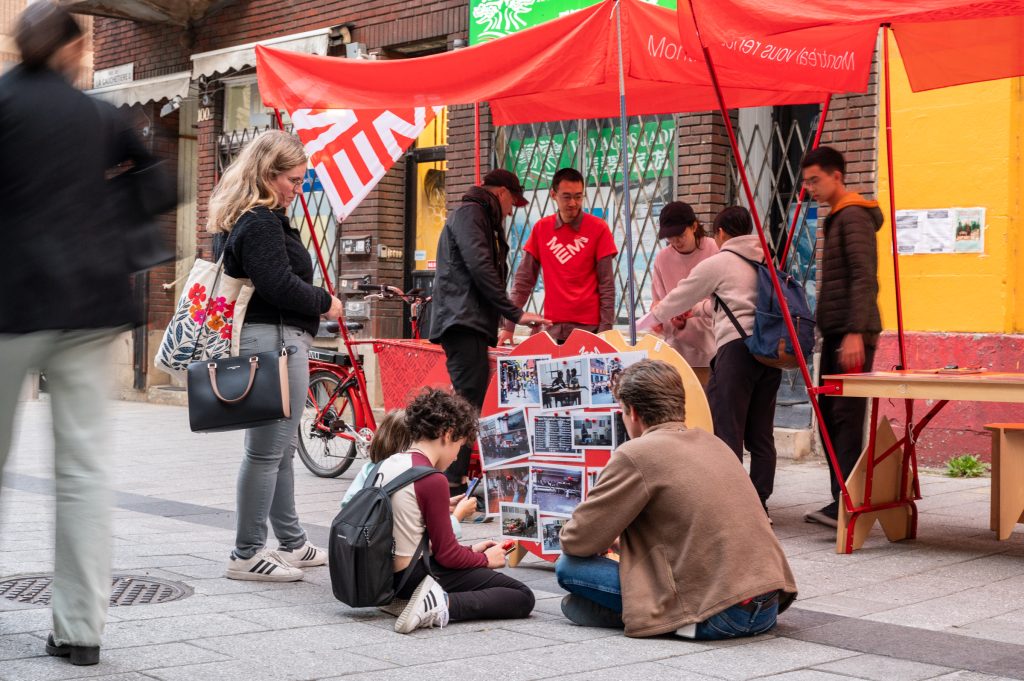
These interventions are framed by the Chinatown Development Action Plan, created in collaboration with the Chinese and broader Asian communities. With 25 strategies spanning housing, commercial activity, public space, and cultural heritage, the plan anchors Chinatown’s future in community-defined priorities.
To guide and sustain this work, the Borough of Ville-Marie funds the Chinatown Roundtable, a stakeholder forum that convenes residents, businesses, and civic groups. The roundtable’s mission is to develop a shared vision for the neighbourhood’s social, economic, and cultural vitality.
Investing in cultural infrastructure
Montréal also recognizes the importance of intangible heritage and cultural memory. It supports the JIA Foundation and its Chinatown House project — a vibrant cultural space that fosters intergenerational dialogue, community events, and education around local heritage.
In addition, the city has contributed to the preservation and cataloguing of the Wings collection, a rare archive of historic objects housed in the oldest Chinese-owned factory still in operation in Chinatown. These efforts underscore a commitment to both material and intangible heritage preservation.
All these interrelated initiatives are gradually helping to protect the area, bringing together the community and various stakeholders and stimulating interest in the history of the neighbourhood. This multifaceted approach not only helps preserve the unique cultural identity of Montréal’s Chinatown, but it ensures the vitality and sustainability of its community for the future.