
Cultural District Policy: Driving Austin’s equitable urban development
Project: Developing an economic and cultural district framework policy
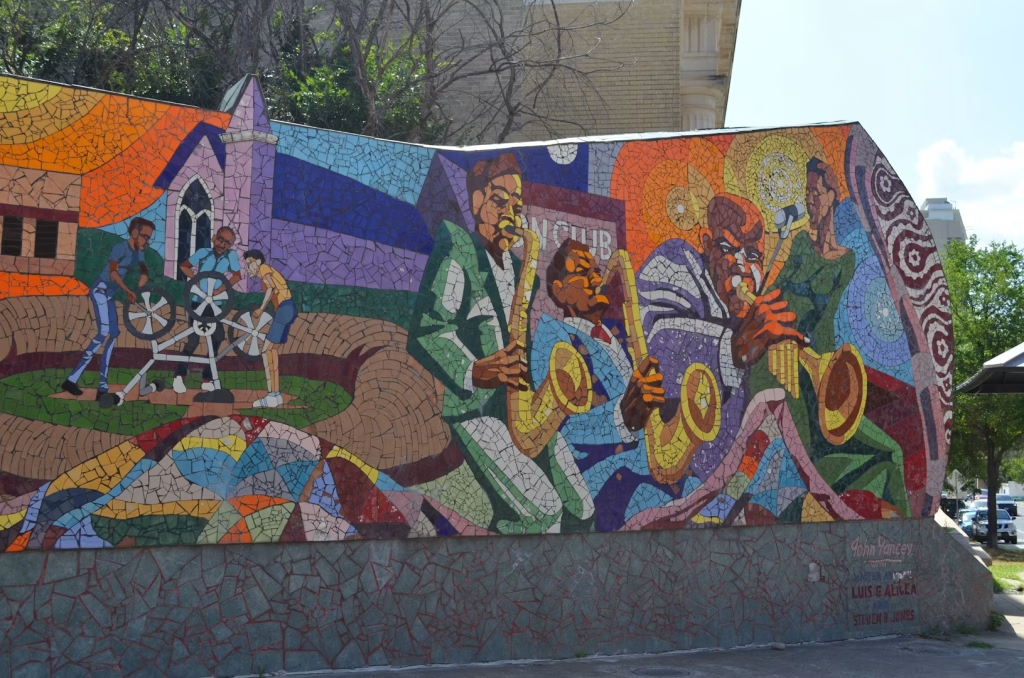
The City of Austin’s Economic and Cultural District Framework Policy was developed in 2024 to formalise and support the sustainability of cultural districts across the city. Focused on preserving cultural identity while fostering economic vitality, the policy provides a structured approach for designating and resourcing cultural and economic districts. It aligns with Austin’s broader cultural policy goals –emphasising equity, authenticity, and community engagement in place-based development.
Preserving cultural identity in a rapidly growing city
Austin’s cultural landscape is under pressure. Rapid urban development, demographic change, and rising costs have threatened long-standing cultural assets and the identity of communities that shaped the city’s creative character. Displacement of legacy businesses, cultural institutions, and artist spaces has heightened concerns around cultural erasure – particularly in historically marginalised neighbourhoods. Prior to the framework, inconsistent district recognition and funding left many cultural hubs unsupported, despite their importance to Austin’s cultural fabric.
Creating a policy foundation for cultural sustainability
In response, the Economic and Cultural District Framework Policy offers a formal structure to identify, recognise, and resource districts grounded in cultural identity and economic clustering. It provides access to programme services that include organisational development, training, and funding through efforts like the Souly Austin Program.
The framework promotes inclusive cultural policy by encouraging diverse stakeholder participation, including local businesses, artists, and residents. It also introduces the potential for long-term financial mechanisms – such as Public Improvement Districts (PIDs) and Tax Increment Financing (TIF) – that help reinvest in cultural infrastructure and district sustainability.
Aligning cultural and economic goals
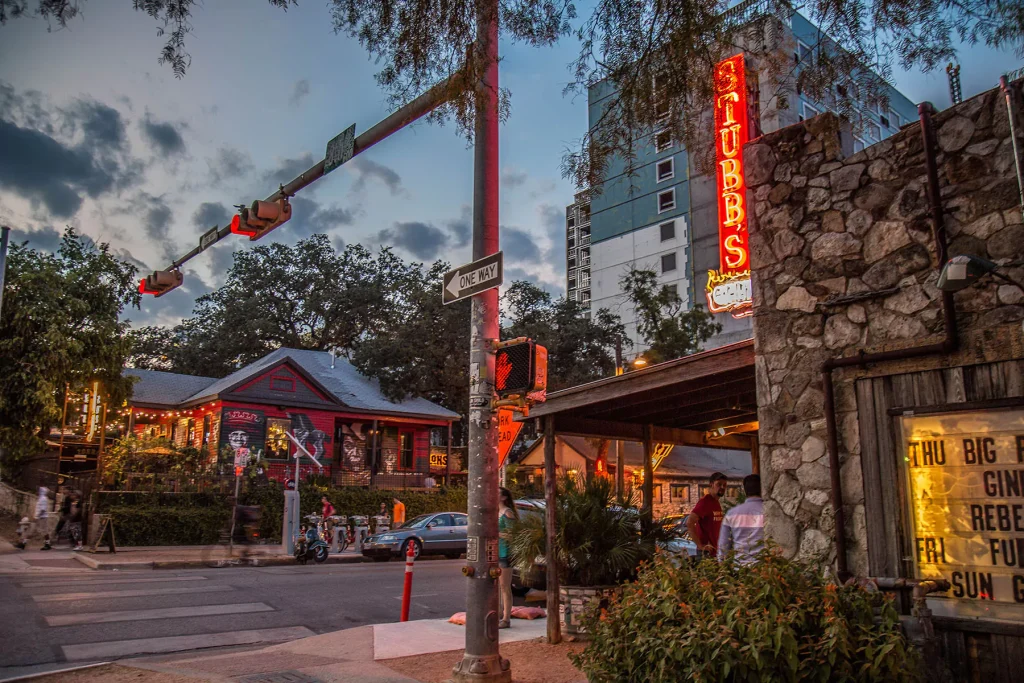
The policy’s place-based approach bridges cultural and economic development. It supports both legacy and emerging districts by providing them with visibility, planning tools, and direct support. This has enabled strategic investment in districts including the African American Cultural Heritage District; 5th Street Mexican Heritage Corridor; Red River Cultural District; East Cesar Chavez; South Congress; Aldrich Street at Mueller. These areas exemplify how community-led development can protect cultural assets while creating vibrant, inclusive spaces.
A replicable model for equitable cultural policy
The framework strengthens Austin’s identity as a city of culture by embedding cultural assets into long-term public realm strategies. It aligns with other planning efforts, such as Imagine Austin and the Cultural Tourism Plan, ensuring cultural districts are not only preserved but central to future growth.
Though a comprehensive funding model is still evolving, the framework has already catalysed interest from new communities seeking district recognition. As a model, it illustrates how cultural policy can shape equitable urban development by honouring the power of place and the cultural stories embedded within.