	---
title: United States of America
type: taxonomy_archive
taxonomy: country
slug: united-states-of-america
term_id: 123
permalink: "https://worldcitiescultureforum.com/country/united-states-of-america/"
post_count: 36
---

# United States of America

Posts in this archive: 36

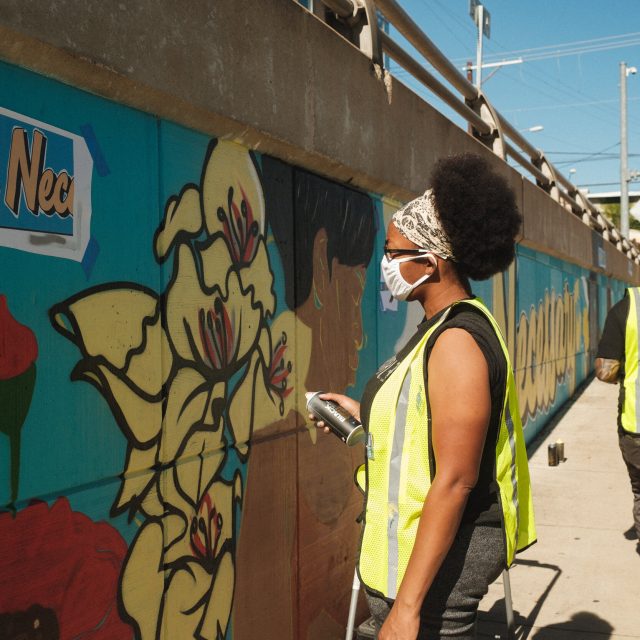
- [Inclusive public art empowering unhoused creatives in Austin ](https://worldcitiescultureforum.com/wp-content/uploads/wp-mfa-exports/city-project/art-for-all-austin-public-art-initiative-2.md) — Art for All is a public art initiative in Austin led by Raasin in the Sun and the City of Austin, offering paid creative opportunities to unhoused individuals. By transforming public spaces with community-driven murals, the programme promotes an inclusive culture and supports access to social services. Through mentorship, workshops, and storytelling, it fosters connection, skill-building, and financial stability – making public art more accessible for all while enriching Austin’s public realm strategy.
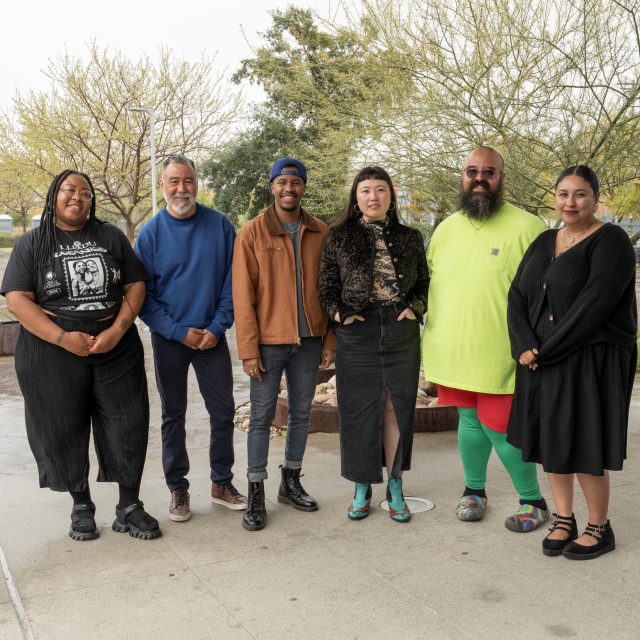
- [Inclusive Public Art: Los Angeles’ Public Artists in Development programme for underrepresented artists ](https://worldcitiescultureforum.com/wp-content/uploads/wp-mfa-exports/city-project/los-angeles-county-public-artists-in-development.md) — In 2023, Los Angeles County’s Civic Art Division launched Public Artists in Development (PAiD), a new initiative funded by the Andrew W. Mellon Foundation. Through funding, apprenticeships and professional development, it directly addresses the lack of equitable representation in public art by investing in the participation of underrepresented artists – including BIPOC, LGBTQ+, disabled, self-taught, and emerging artists. It offers a replicable model to diversify and democratise access to public commissions.
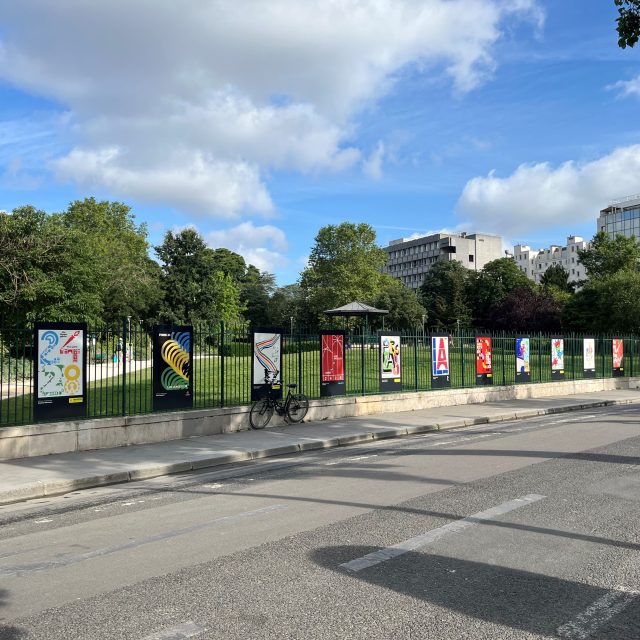
- [Cultural Olympiad: Joint Los Angeles-Paris poster competition strengthens Olympic values and culture](https://worldcitiescultureforum.com/wp-content/uploads/wp-mfa-exports/city-project/los-angeles-2024-paris-cultural-olympiad-poster-competition.md) — The 2024 Paris Cultural Olympiad Poster Competition connected art students from Paris and Los Angeles in a cross-city collaboration that celebrates Olympic values, civic engagement, and cultural diplomacy. Organised by the City of Paris and LA County’s Department of Arts and Culture, the project supported emerging artists, created international exposure, and informed cultural programming for the 2028 LA Olympic Games through poster and animation design exhibited globally.
- [Creative Strategists: Integrating artist residencies into Los Angeles County governance and initiatives](https://worldcitiescultureforum.com/wp-content/uploads/wp-mfa-exports/city-project/los-angeles-creative-strategist-programme.md) — Los Angeles County's Creative Strategist Programme embeds artists within government departments to address civic challenges through creative strategies. Since 2018, 12 artists have collaborated with various departments, enhancing public engagement, cultural participation, and equity. Their work demonstrates the value of integrating arts into governance, fostering innovation, and promoting inclusive policies that reflect the diverse communities of Los Angeles County.
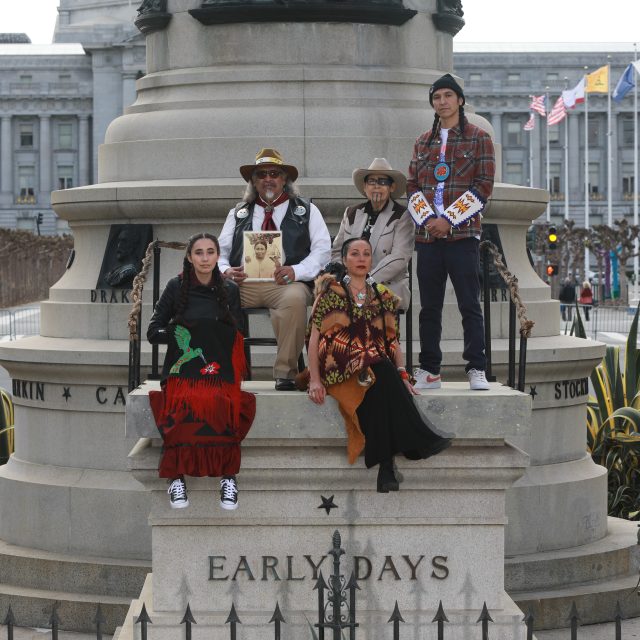
- [Reimagining San Francisco’s public monuments through equity and engagement](https://worldcitiescultureforum.com/wp-content/uploads/wp-mfa-exports/city-project/shaping-legacy-san-francisco-inclusive-review-of-public-monuments.md) — Launched by the San Francisco Arts Commission in 2023 and funded by the Mellon Foundation, Shaping Legacy is a groundbreaking initiative reimagining the city’s monuments to reflect more inclusive public histories. Centred on community engagement and a comprehensive art audit, the programme critiques existing representations and commissions new temporary artworks. It marks a major step in equitable cultural policy, ensuring public space honours San Francisco’s full diversity of voices and experiences.
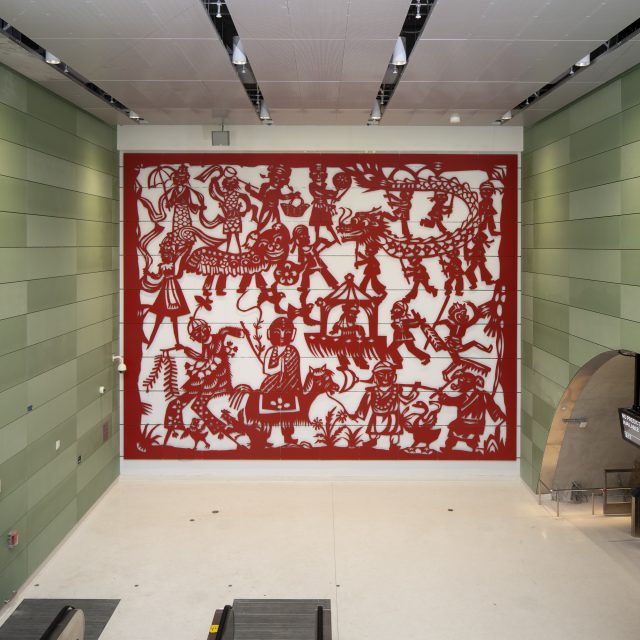
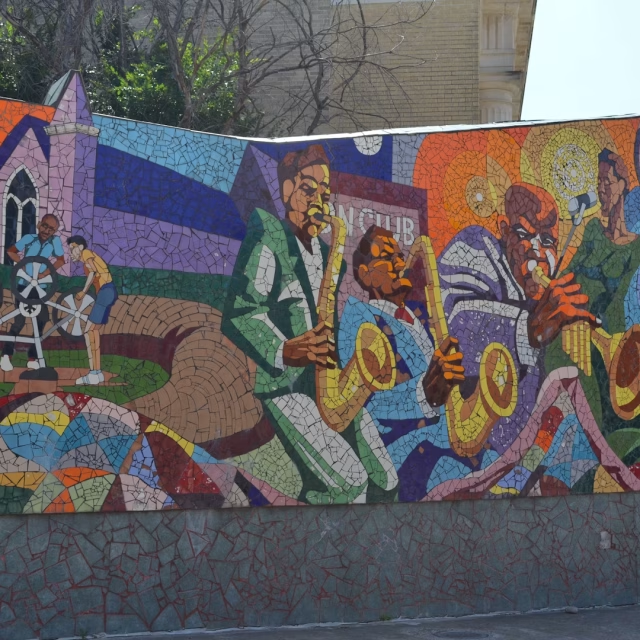
- [Art in Transit: How San Francisco is integrating public art into its transportation infrastructure](https://worldcitiescultureforum.com/wp-content/uploads/wp-mfa-exports/city-project/art-in-transit-how-san-francisco-is-integrating-public-art-into-its-transportation-infrastructure.md) — San Francisco’s 2% for Art Program transforms transit infrastructure into cultural landmarks, embedding site-specific artworks that celebrate neighbourhood identity and weave creativity into the city’s daily rhythms of movement.
- [Tourism Tax: How San Francisco leverages its hotel tax to fund the arts](https://worldcitiescultureforum.com/wp-content/uploads/wp-mfa-exports/city-project/san-francisco-hotel-tax-arts-culture-funding.md) — Launched in 2018, San Francisco’s Proposition E law redirects a portion of the city’s hotel tax to directly fund arts and culture. This voter-backed initiative created a virtuous circle: since 2023 marketing San Francisco as a vibrant cultural destination attracted more culturally engaged visitors who contribute to the hotel tax. In turn, this revenue sustains cultural programming, fosters equity, and strengthens the city’s identity as a global creative capital.
- [Creative Space: How Austin’s Cultural Trust has developed affordable art spaces ](https://worldcitiescultureforum.com/wp-content/uploads/wp-mfa-exports/city-project/rally-austin-cultural-trust-for-affordable-art-space-2.md) — Launched in 2020, Rally Austin (formerly AEDC) protects Austin’s cultural identity by creating affordable cultural spaces through public real estate tools. Its Cultural Trust supports venues in key districts, including The Hole in the Wall and The Broken Spoke. With USD 152 million in active projects, Rally Austin is pioneering a model of artist-led stewardship, ensuring long-term affordability and sustainability for the city’s creative infrastructure.
- [Cultural District Policy: Driving Austin’s equitable urban development ](https://worldcitiescultureforum.com/wp-content/uploads/wp-mfa-exports/city-project/cultural-district-policy.md) — The City of Austin’s Economic and Cultural District Framework Policy was developed in 2024 to formalise and support the sustainability of cultural districts across the city. Focused on preserving cultural identity while fostering economic vitality, the policy provides a structured approach for designating and resourcing cultural and economic districts. It aligns with Austin’s broader cultural policy goals—emphasising equity, authenticity, and community engagement in place-based development.
- [Arts Councils: How New York expanded cultural equity by boosting funding to borough-based arts programming ](https://worldcitiescultureforum.com/wp-content/uploads/wp-mfa-exports/city-project/funding-new-york-city-arts-councils.md) — To address cultural inequities and affordability challenges, NYC's Department of Cultural Affairs increased funding for local arts councils through the Greater New York Arts Development Fund. By distributing $3.4 million to local arts councils in 2024, the fund has supported over 650 artists and arts organizations across the five boroughs. This investment expands access to the arts in underserved communities and reinforces NYC’s identity as a hub of inclusive cultural creation.
- [Public Artists in Residence: Embedding creativity in New York City government ](https://worldcitiescultureforum.com/wp-content/uploads/wp-mfa-exports/city-project/nyc-pair-public-artists-in-residence.md) — New York City’s Public Artists in Residence (PAIR) programme embeds artists within city agencies to address urgent civic issues through creative collaboration. Launched in 2015, the initiative has tackled challenges such as racial equity, discrimination, and youth detention by integrating artistic thinking into public policy. With residencies spanning city departments, PAIR helps generate innovative solutions, strengthen community engagement, and reimagine the role of art in public service and city governance.
- [How NYC Create in Place is protecting cultural space through cross-agency collaboration](https://worldcitiescultureforum.com/wp-content/uploads/wp-mfa-exports/city-project/nyc-create-in-place-cultural-space-support.md) — NYC Create in Place is a cross-agency initiative launched in 2024 to address the affordability crisis threatening the city’s cultural and creative sectors. Led by the NYC Department of Cultural Affairs, the programme supports organisations at risk of losing space or seeking to expand. Through casework, a resource hub, and interagency collaboration, the initiative has reached over 30 organisations, safeguarding and strengthening New York’s creative infrastructure.
- [Boston](https://worldcitiescultureforum.com/wp-content/uploads/wp-mfa-exports/city/boston.md) — With 70,000 jobs sustained by the Creative Economy, Boston is a city of thinkers, writers, innovators, producing the ideas that everyone else can apply.Cultural Policy in Boston is developed by the Mayor’s Office of Arts and Culture in collaboration with other city departments such as Planning and Economic Opportunity & Inclusion. 

The Mayor’s Office of Arts and Culture (MOAC) is committed to ensuring that all Boston residents—regardless of background, income, or neighborhood—have access to and can participate in arts and culture as a part of daily life.
- [How is San Francisco using tourism tax to boost arts and culture?](https://worldcitiescultureforum.com/wp-content/uploads/wp-mfa-exports/city-project/how-is-san-francisco-using-a-tourism-tax-to-boost-arts-and-culture.md) — San Francisco is a global “bucket list” destination and one of the top five tourism destinations in the U.S. Historically, the city has drawn tens of millions of visitors annually and has been a favourite location for business conventions.
- [What makes Minnesota Street Project a solution to San Francisco's property costs?](https://worldcitiescultureforum.com/wp-content/uploads/wp-mfa-exports/city-project/san-frrancisco-minnesota-street-project.md) — The City of San Francisco needed to address the challenges faced by artists and art organisations due to the booming property market, emphasising the urgent need to prevent artists from being priced out of the city. The solution? A privately funded model of affordable gallery and studio space for local artists
- [P.A.R.T.Y in Chicago: engaging communities through art for urban transformation](https://worldcitiescultureforum.com/wp-content/uploads/wp-mfa-exports/city-project/chicago-p-a-r-t-y-public-art-reimaging-tour-with-youchicago.md) — Chicago identified priority investment corridors in each neighborhood for streetscape and public realm enhancements, including new roadways, sidewalks, light poles, bike lanes, landscaping and community plazas.
- [Art avenues to a more equitable Chicago: 'We Will Chicago' unveiled](https://worldcitiescultureforum.com/wp-content/uploads/wp-mfa-exports/city-project/we-will-chicago-citywide-planning-process.md) — A ten year framework to enhance citywide equity and resiliency, the "We Will Chicago" plan includes approximately 40 goals and 150 objectives to improve Chicagoans' lives, especially individuals impacted by inequities in health, economic stability, neighborhood livability, and other systemic issues
- [Artists and activists: the beating heart of Chicago's 'Together We Heal' initiative](https://worldcitiescultureforum.com/wp-content/uploads/wp-mfa-exports/city-project/together-we-heal-creative-place-program.md) — In fall of 2020, the Office of Equity and Racial Justice (OERJ) launched Together We Heal, a journey toward
building racial healing and transformation through policy and culture change.
- [Who tells the story? Chicago changes the landscape of memory](https://worldcitiescultureforum.com/wp-content/uploads/wp-mfa-exports/city-project/chicago-chicago-monuments-project.md) — Chicago recognized the need for a larger reckoning with monuments that symbolize outdated values and
that do not tell the story, or the full story, of the city's history.
- [Mayor Eric Adams' blueprint safeguards New York's cultural assets](https://worldcitiescultureforum.com/wp-content/uploads/wp-mfa-exports/city-project/new-york-culture-at-risk-task-force.md) — In 2022, newly elected Mayor Eric Adams introduced the plan Rebuild, Renew, Reinvent: A Blueprint for New York City's Economic Recovery to address the significant impacts of the pandemic on the city.
- [Driving equity forward: Los Angeles County's cultural strategy](https://worldcitiescultureforum.com/wp-content/uploads/wp-mfa-exports/city-project/los-angeles-countywide-cultural-policy-2.md) — In 2017, Los Angeles County's Cultural Equity & Inclusion Initiative (CEII) issued a report with a set of recommendations to ensure that everyone in Los Angeles County has equitable access to arts and culture, and to embed the arts in policy and services.
- [The future of equitable funding: Arts Workforce Empowerment (AWE) as a model for change](https://worldcitiescultureforum.com/wp-content/uploads/wp-mfa-exports/city-project/arts-workforce-empowerment-awe-grant-programme.md) — The AWE grant programme provides targeted support for staff salaries at minority-defined DCA grantee organisations. AWE grants are targeted at organisations whose mission and programming serves a population specifically impacted by poverty, as well as other systemic discriminations, and are embedded in their community.
- [Protecting the arts eco-system: how New York supported 3,000 artists during the pandemic](https://worldcitiescultureforum.com/wp-content/uploads/wp-mfa-exports/city-project/new-york-city-artists-corps.md)
- [Why equity-based reforms will reshape New York's cultural landscape](https://worldcitiescultureforum.com/wp-content/uploads/wp-mfa-exports/city-project/new-york-cultural-development-fund.md) — In 2018, building on recommendations from the CreateNYC cultural plan, the City’s Department of Cultural Affairs launched a comprehensive strategic evaluation and review of its Cultural Development Fund (CDF), the landmark cultural grant programme administered by the city.
- [San Francisco responds to demands for positive representation of indigenous communities](https://worldcitiescultureforum.com/wp-content/uploads/wp-mfa-exports/city-project/san-francisco-removal-of-early-days-from-pioneer-movement.md) — Over the past few decades, Indigenous communities have organised to demand for their rights for self-determination and positive representation. Increasingly, these cities have been working to address the issue, though the process is often complicated and highly polarised.
- [Chicago](https://worldcitiescultureforum.com/wp-content/uploads/wp-mfa-exports/city/chicago.md) — Situated on the shores of Lake Michigan in Illinois, Chicago is among the largest cities in the U.S, famed for its bold architecture, passion for sports and richly diverse neighbourhoods
- [Preserving heritage: communities in San Francisco their cultural identities](https://worldcitiescultureforum.com/wp-content/uploads/wp-mfa-exports/city-project/the-cultural-districts-initiative-2.md) — Communities are collaborating with the City to help preserve the cultural and social fabric of San Francisco's historic neighbourhoods.
- [Thrown a lifeline: how Austin supported its creative community through the pandemic](https://worldcitiescultureforum.com/wp-content/uploads/wp-mfa-exports/city-project/pandemic-relief-for-the-creative-community.md) — In response to the enduring impacts of the pandemic, the City made concerted efforts to provide significant financial support to creatives who suffered income loss and audience reductions. Through the Economic Development Department (EDD), the City of Austin initiated and managed 12 emergency grant programs, totalling over $60.5 million in assistance for Austin families, nonprofits, and businesses affected by the pandemic.
- [Creative wellbeing: mental health and wellness for youth in county systems in Los Angeles](https://worldcitiescultureforum.com/wp-content/uploads/wp-mfa-exports/city-project/creative-wellbeing.md) — Through decades of arts-based programming, research, and experience, LA County has seen firsthand how healing-informed arts activities provide youth with an opportunity to learn new skills and express their thoughts or ideas in a creative and therapeutic way.
- [The value of data: why cultural asset mapping is helping Austin become more inclusive](https://worldcitiescultureforum.com/wp-content/uploads/wp-mfa-exports/city-project/cultural-asset-mapping-project-camp.md) — Urban public policy design in the cultural context is becoming increasingly important in cities helping to bridge the gap between cultural assets and spatial distribution.
- [How Austin Cultural Trust is protecting the cultural community from unaffordable rents](https://worldcitiescultureforum.com/wp-content/uploads/wp-mfa-exports/city-project/austin-cultural-trust.md) — Taking inspiration from models like San Francisco's CAST and London's Creative Land Trust, a new Cultural Trust has been established as a component of the AEDC
- [INFRASTRUCTURE](https://worldcitiescultureforum.com/wp-content/uploads/wp-mfa-exports/city/infrastructure.md) — Latest developments in the cultural infrastructure of the City of Austin
- [Austin](https://worldcitiescultureforum.com/wp-content/uploads/wp-mfa-exports/city/austin.md) — The city has transformed from a small city into a major metropolis, partly due to the rapidly growing tech-sector, robust live-music scene, and globally famed and attended festivals such as South by Southwest, Austin City Limits, and Levitation Music Festival.
- [Los Angeles](https://worldcitiescultureforum.com/wp-content/uploads/wp-mfa-exports/city/los-angeles.md) — Los Angeles County boasts a vibrant cultural ecosystem, comprising over 3,499 nonprofit arts organisations and a thriving community of more than 150,000 working artists. Notably, Los Angeles hosts more working artists than any other major metropolitan area in the United States.
- [New York](https://worldcitiescultureforum.com/wp-content/uploads/wp-mfa-exports/city/new-york.md) — Mayor Adams has introduced the "Rebuild, Renew, Reinvent: A Blueprint for New York City’s Economic Recovery" to outline his vision for guiding the city post-pandemic. The plan is structured around five strategic areas: 1) restarting the city’s economic engines and reactivating the public realm; 2) supporting small businesses, entrepreneurship, and a more equitable economy; 3) fostering inclusive sector growth and building a future-focused economy; 4) connecting New Yorkers to quality jobs and in-demand skills; and 5) constructing a foundation for inclusive growth, both now and in the future.
- [San Francisco](https://worldcitiescultureforum.com/wp-content/uploads/wp-mfa-exports/city/san-francisco.md) — San Francisco continues to be one of the cities with the highest concentration of artists and arts organisations per capita in the United States. Its vibrant creative and cultural scene attracts tourists from around the world. In 2017, the city welcomed 25.5 million visitors, with 40% staying overnight. Cultural tourism alone generated $1.7 billion in visitor spending.