







Tourism Tax: How San Francisco leverages its hotel tax to fund the arts
Project: A creative city funding model using tourist tax revenue to sustain San Francisco’s arts ecosystem and strengthen cultural infrastructure
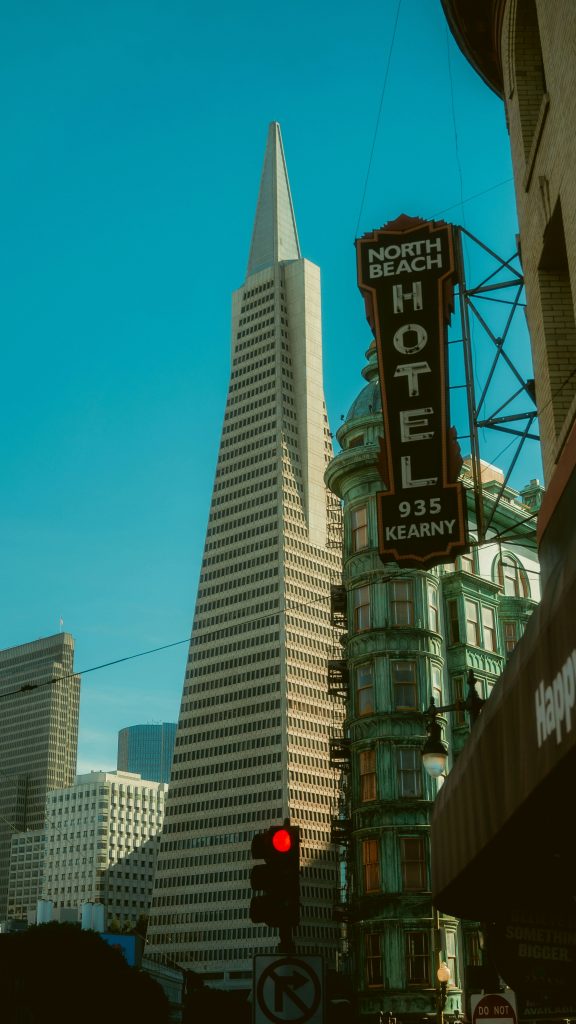
In 2018, 74% of San Francisco voters approved Proposition E, a citywide law that would allocate a percentage of the citywide hotel tax to culture – specifically to non-profit arts and culture organisations, artists, and creative programming. This decision marked a significant shift in the city’s approach to arts funding, providing a consistent and independent revenue stream for non-profit arts organizations, artists, and creative programming. By tying arts funding directly to tourism, the city ensured that visitors contributing to the local economy would also support its cultural vitality.
Implementing Proposition E to strengthen cultural infrastructure
Following the passage of Proposition E, San Francisco’s Grants for the Arts programme became the primary beneficiary of the newly allocated hotel tax revenue. This funding supported a wide array of cultural initiatives, from grants to non-profit arts organizations to investments in cultural equity and the maintenance of city-owned cultural centres. The dedicated funding allowed for more strategic planning and stability within the arts sector, fostering a more resilient and diverse cultural landscape.
Attracting culturally curious visitors through strategic marketing
The onset of the COVID-19 pandemic in 2020 brought unprecedented challenges to San Francisco’s tourism industry, leading to a significant decline in hotel occupancy and, consequently, hotel tax revenue.
Recognizing the need to support both the tourism and arts sectors, San Francisco Travel launched a targeted marketing campaign in partnership with Expedia. This aimed to attract culturally inclined travellers by highlighting the city’s rich artistic offerings, thereby stimulating hotel bookings and revitalizing the flow of funds to the arts through the hotel tax.
The marketing campaign proved successful, resulting in over 75,000 room nights booked in 2023. Notably, travellers drawn by the city’s cultural attractions tended to spend more, leading to higher average daily hotel rates and increased tax revenue. Approximately $2.5 million in hotel tax revenue was generated from this campaign, a portion of which was funnelled back into arts funding, demonstrating the effectiveness of aligning tourism promotion with cultural investment.
Offering a replicable model for urban cultural policy
San Francisco’s approach to funding the arts through a dedicated portion of its hotel tax offers a compelling model for other cities seeking sustainable cultural funding mechanisms. By establishing a direct link between tourism and arts funding, the city not only secured financial support for its cultural institutions but also reinforced the integral role of the arts in its economic and social fabric. This case underscores the potential for innovative fiscal policies to foster vibrant, resilient cultural ecosystems in urban settings.