How Nanjing brings classical literature to life through immersive experience
Project: Revitalising Chinese literary heritage for a new generation
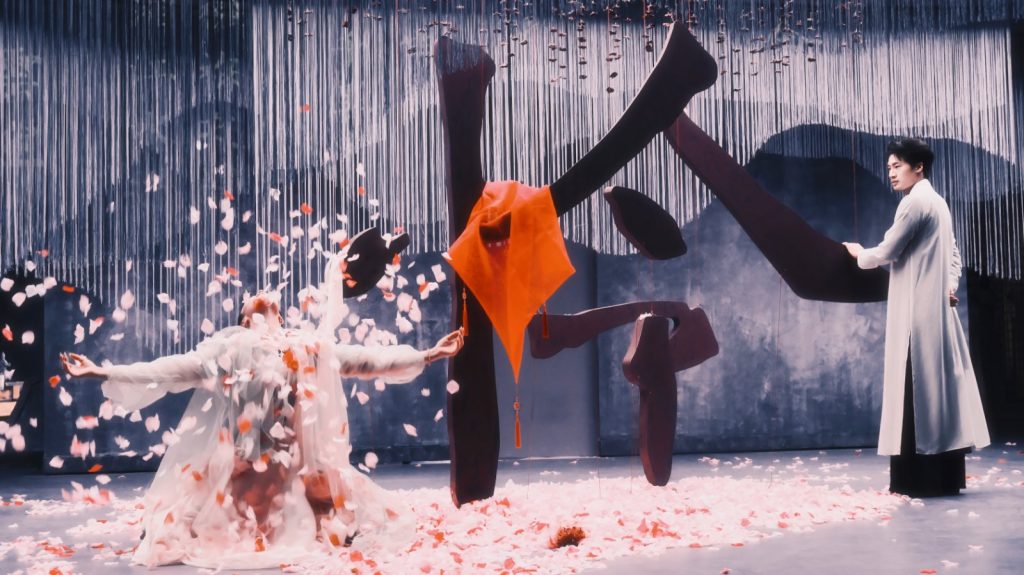
Nanjing’s immersive adaptation of Dream of the Red Chamber redefines how traditional literary IP can engage modern audiences. Debuting in July 2024, this digitally driven exhibition attracted over 10,000 visitors and generated more than one million RMB, while sparking renewed interest in Chinese literary heritage among youth. By blending immersive tech with cultural storytelling, the project exemplifies how cities can make classical literature relevant for new generations.
Revitalizing classical literature through digital innovation
As China’s only UNESCO City of Literature, Nanjing is leading a bold cultural experiment: transforming one of the country’s most celebrated literary works into an immersive digital experience. Dream of the Red Chamber, also known as The Story of the Stone, is one of China’s four great classical novels. Written by Cao Xueqin in the 18th century, it offers a detailed portrayal of aristocratic life during the Qing Dynasty, exploring themes of love, loss, family decline, and the complexity of Chinese society. Revered for its poetic language and psychological depth, the novel – which features 40 main characters, and 400 minor characters – is a cultural touchstone and a foundation of Chinese literary heritage.
Until recently, this literary treasure was primarily accessed through print, scholarly study, and occasional adaptations. Using traditional literary intellectual property (IP) in a new way, the City of Nanjing has brought this iconic novel to life. The Dream of the Red Chamber immersive show blends advanced technologies with cultural tourism, making it accessible to wider—and younger—audiences by transforming it into a multisensory experience.
From static preservation to dynamic regeneration
The project was launched in July 2024 as part of Nanjing’s strategy to integrate cultural heritage with digital innovation, and attract more visitors to the city. Utilizing technologies such as AI, VR, projection mapping, and holography, the exhibition transforms museum spaces into a narrative world where audiences walk through reconstructed scenes, interact with characters, and engage emotionally with the story.
Housed in underused museum facilities, the immersive exhibition has extended opening hours and increased institutional relevance, effectively transforming the venue into a cultural tourism landmark. This approach maximizes spatial efficiency while enriching public engagement with literature and heritage.
This modern interpretation breaks down barriers between the past and the present, the literary and the visual, the reader and the performer. The exhibition encourages visitors to move beyond passive consumption and become active participants in a reimagined cultural landscape.
Connecting youth with heritage
The Dream of the Red Chamber show has also sparked strong media attention, with over 100 million views across digital platforms, reflecting deep public interest and attracting over half of audiences from outside Nanjing.
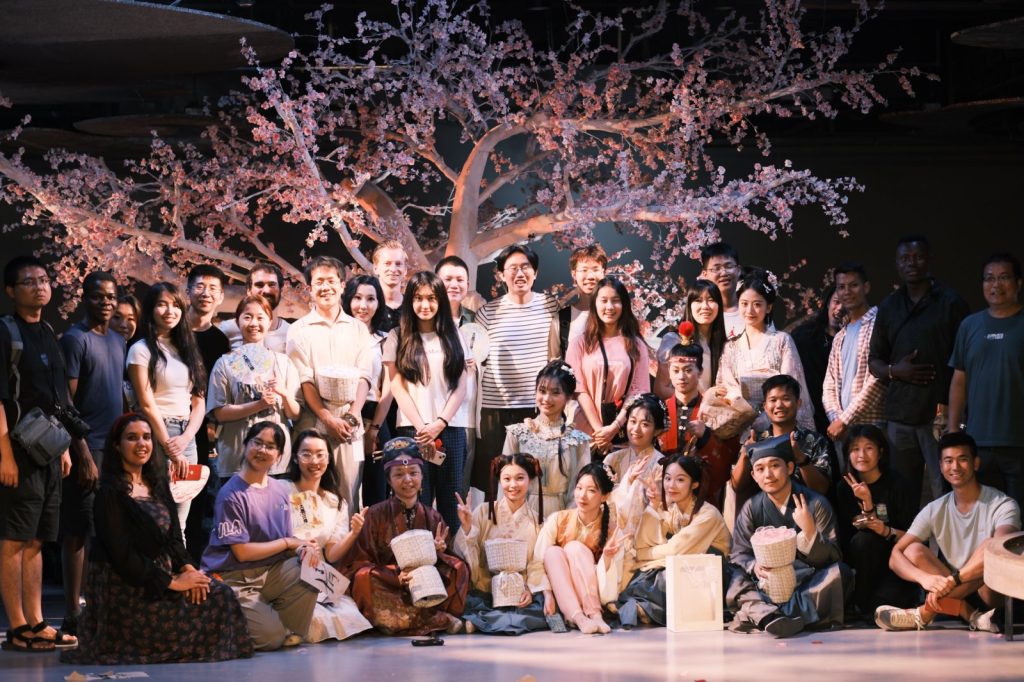
The project has activated a new Red Chamber fan base, keen to experience the novel’s world in real life. The immersive show has prompted other cultural experiences related to the literature, such as themed dining, Hanfu makeup experiences, and creative retail. By extending the value chain of cultural IP, it demonstrates how digital culture can fuel sustainable economic development.
Perhaps most importantly, the project has ignited interest in classical literature among younger generations. By making Dream of the Red Chamber both experiential and emotionally resonant, Nanjing has bridged a cultural gap—linking digital natives with the depth and beauty of traditional Chinese storytelling.