
Art, Culture and Education: A Pillar for the Future
Supported by Itaú Foundation
Key Data
- 66% of cities engage young people in shaping cultural policy
- 97% of cities have initiatives to support creative education and youth participation
- 78% of cities are integrating arts and creativity into primary and secondary schools
INTRODUCTION
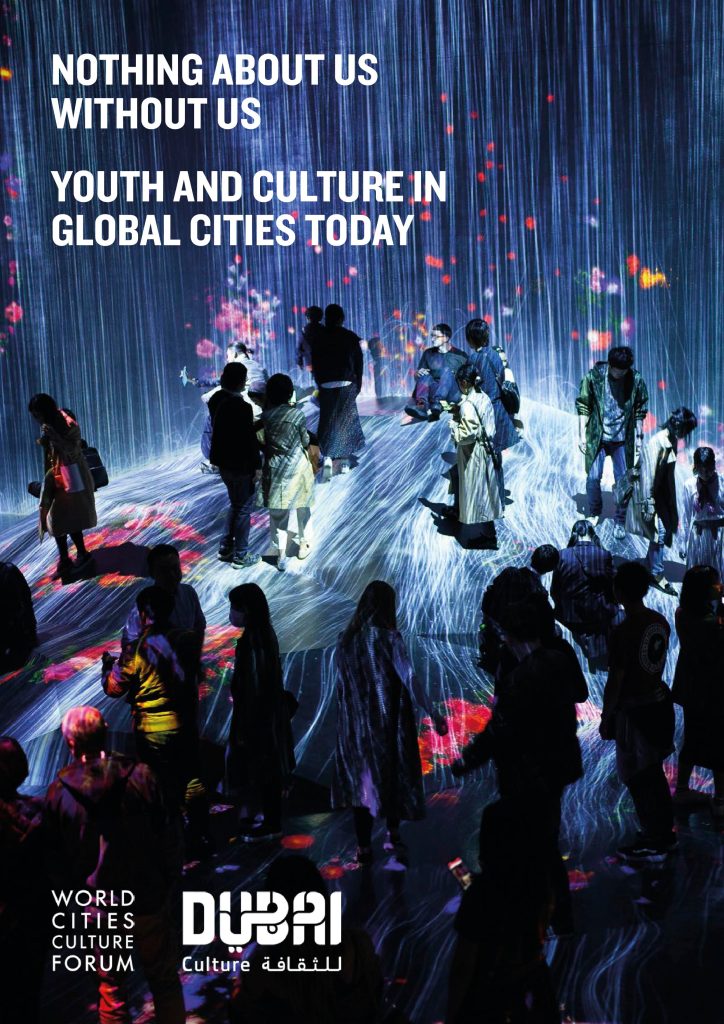
Digital technologies, especially AI, are reshaping the skills we need to thrive. Simultaneously, employers say adaptability, creativity and critical thinking are the qualities they want most in their workers. Arts and cultural education are proven to nurture these abilities but remain undervalued in many systems. Even though half the world’s population is under 30, young people are often excluded from decision-making. Culture can help redress this. As shown in the World Cities Culture Forum’s 2024 research Nothing About Us Without Us, cities are using culture to empower young people, not just as participants, but as co-creators of more inclusive, resilient and dynamic futures. If we acknowledge culture as the key to vibrant and prosperous communities, then cultural education must be its foundation, not just in childhood but throughout life as Eduardo Saron, the President of Brazil’s pioneering Itaú Foundation argues below.
A View From Brazil
Written by Eduardo Saron, President of Itaú Foundation
In Brazil, education, as enshrined in the 1988 Federal Constitution, is a right of every citizen and a responsibility shared between the State, the family and society. Similarly, access to and participation in art and culture are also fundamental rights.
Brazil has made significant progress since the 1980s – most notably with the universalisation of compulsory basic education for children and young people aged 4 to 17- but challenges remain in ensuring the full development of individuals, preparing them for active citizenship and cultural rights, and providing quality training for the labour market.
In a world undergoing constant transformation, where technological innovation is advancing daily and reshaping every sector of the economy and society, it is essential to adopt a systemic view of education – one that begins in early childhood and continues throughout a person’s educational and professional life.
Recent reports on Artificial Intelligence (AI) highlight how it will structurally reshape the ways societies build collective memory and produce and disseminate knowledge – at a scale never seen before.
This scenario calls for public education to foster individual potential from childhood through to higher education.
To keep pace with technological change, education must go beyond cognitive knowledge, ensuring the development of socio-emotional skills. Skills for the future include adaptability, collaboration, critical thinking, problem-solving, effective communication, creativity, imagination, digital literacy, and a culture of peace.
Brazil’s legal framework for education and culture supports rights and aspirations that align society’s needs. However, major challenges remain in implementation – particularly in educational performance indicators and access to cultural activities.
The OECD’s latest Programme for International Student Assessment (PISA) introduced a new evaluation of creative thinking, challenging traditional views of education based solely on content delivery (OECD Publishing, 2024). The PISA assessment now considers the ability to plan, evaluate, and improve ideas leading to original and effective solutions to real-world problems – vital competencies in all areas of life.
Unfortunately, Brazil’s performance was disappointing: 54 per cent of students scored below Level 3 (considered insufficient), compared to developed countries at 22 per cent. Similarly, in financial literacy, 45 per cent of Brazilian students were unable to apply their knowledge to real-life financial decisions. Integrating art, culture, and science into school curricula may reverse this reality.
Brazil’s National Education Plan (PNE), particularly goals 6 and 7 (expanding full-time education and improving quality), emphasises the importance of linking art, culture and education to foster the holistic development of students.
In 2024, Brazil lost 6.7 million readers, with only 47 per cent of the population reading at least part of a book in the last three months (Instituto Pró-Livro, 2024). Alongside this, only 48.4 per cent of public schools have libraries, and many municipalities lack public libraries or reading rooms (Ministério da Educação, 2024).
Itaú Foundation’s research Arts and Sports: Their Relationship to Holistic Human Development, highlights how arts education improves young people’s motivation and engagement (Fundação Itaú Social, 2019). It also supports the development of various skills: listening to and learning music enhances spatial-temporal reasoning; engaging in theatre and reading plays deepens understanding of human behaviour; practising dance fosters persistence and boosts self-confidence; and appreciating or creating visual art encourages a more diverse and plural interpretation of the world.
Given this context, local leadership has the potential to innovate by proposing cross-sectoral agendas and policies that bring together art, culture and education. This is key to preparing young people for a world and a technological landscape in constant transformation.
Key Trends
1. Cities are embedding culture and creativity throughout the education system
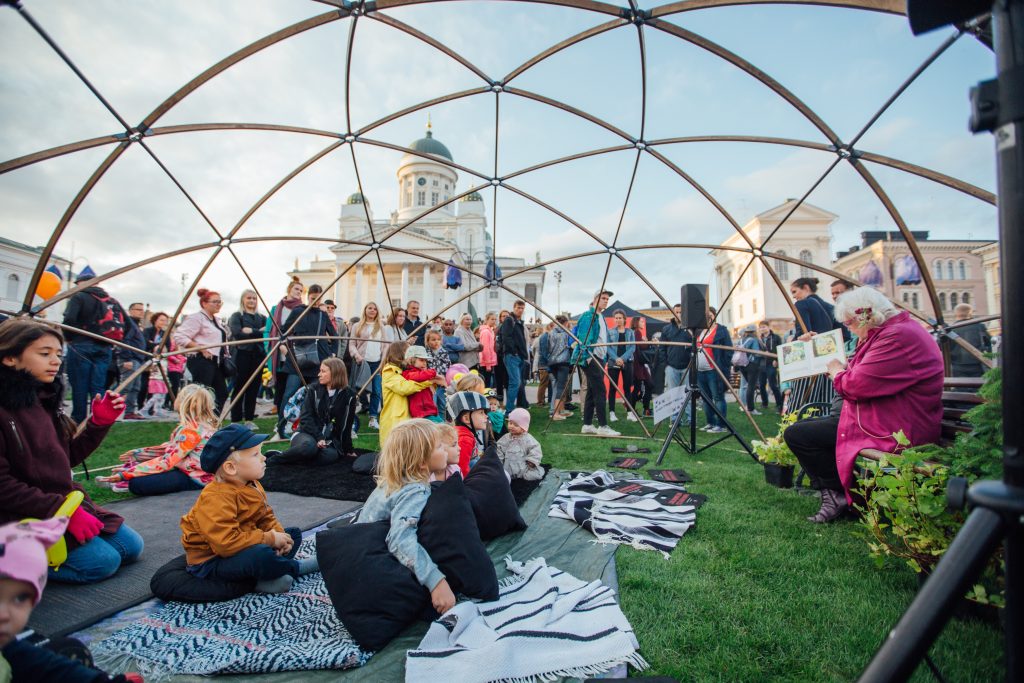
The majority of global cities (97%) now have policies or programmes supporting creative education and youth engagement, with 78% integrating arts and creativity into primary and secondary schools. Early years provision is also growing in cities like Helsinki and Nanjing, with 72% supporting arts for pre-school children, while partnerships with higher education are increasing in cities like Zurich and New York (56%).
2. Demand is rising for holistic, future-ready skills
Cities increasingly recognise the need to cultivate creativity, digital fluency, and socio-emotional intelligence alongside academic achievement. From our research on Sub Saharan African cities, such as Addis Ababa, Kigali and Freetown, access to education and skills development was identified as a key trend for 61% of policymakers and cultural stakeholders (World Cities Culture Forum, 2024). In addition from our cities surveyed São Paulo to Beijing, 84% of cities are supporting creative career pathways, youth entrepreneurship and training, while 66% of cities including Chengdu and Warsaw have focused programmes on digital and media literacy. This reflects global momentum towards human-centred, future-oriented education, aligned with OECD’s emphasis on creative competencies and AI-readiness.
3. Youth are shaping the cultural policy agenda
66% of cities from Stockholm and Taipei to Dubai and Melbourne actively engage young people in shaping programmes and policies. This includes youth advisory councils, youth summits and co-creation frameworks. Across Sub Saharan Africa, youth and education is an important driver of cultural policy, including in Kampala where youth involvement in creative and cultural sector is on the rise (World Cities Culture Forum, 2024). However, this area requires further investment and systemic implementation to move beyond consultation toward long-term youth partnership.
4. Persistent inequity in access to cultural and educational infrastructure
Despite strong frameworks, many cities face structural challenges around inclusion. Barriers include cost, housing pressures, lack of transport, digital divides, or programmes being overly centralised. Cities such as Toronto and Paris are working to decentralise cultural access and improve representation of marginalised communities, but consistent funding remains a major concern globally.
5. Public space and informal settings are being reimagined for cultural learning
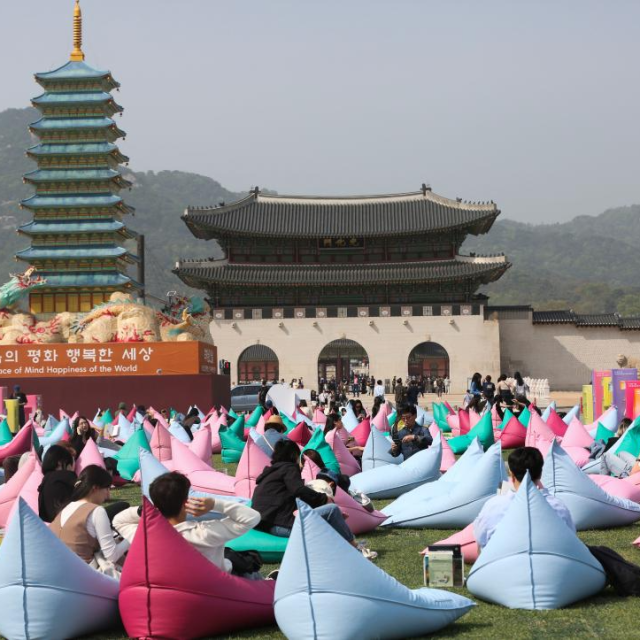
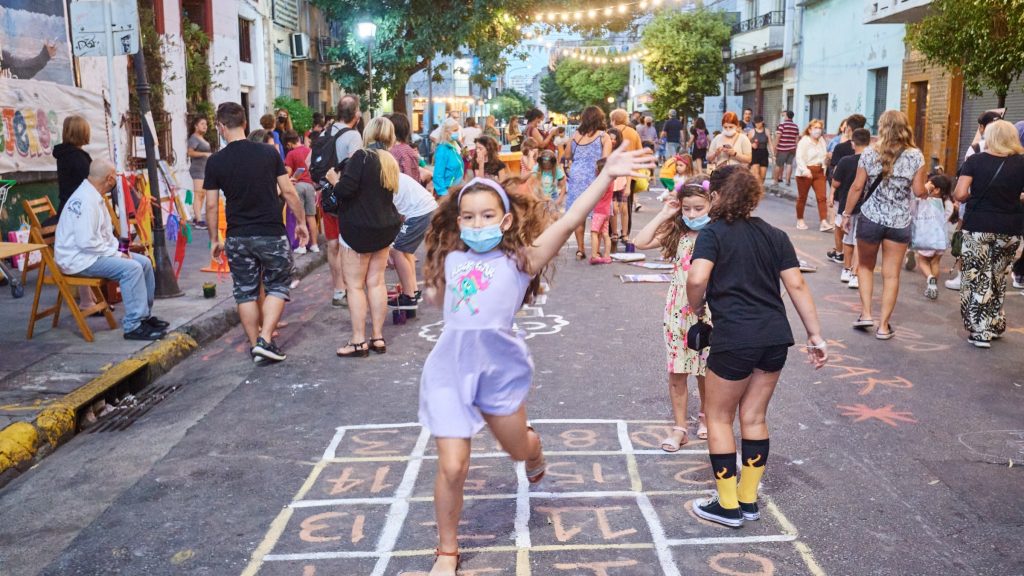
81% of cities support informal youth engagement, from recreational classes to youth clubs and creative drop-ins. Urban interventions like Seoul’s outdoor libraries demonstrate how public space can become a site for inclusive, intergenerational cultural exchange. The wellbeing benefits of culture for young people are also being integrated by 40% of our cities from Nanjing to Los Angeles.
Policy Reccomendations
• Adopt a whole-system approach to culture and education
Integrate culture into the full continuum of education, from early childhood to lifelong learning, through curriculum reform, teacher training, and partnerships with cultural institutions. Encourage collaborative policymaking between departments of education, culture, and social development.
• Ensure equitable access to infrastructure, participation, and opportunity
Address spatial, financial, and digital inequalities by decentralising provision, investing in neighbourhood-level programmes, and removing cost barriers. Strategies include mobile libraries, youth culture passes, and prioritising underserved groups. Cities should also support talent development through creative career programmes and mentorship schemes.
• Empower youth as cultural citizens and co-creators
Develop policies and structures that enable youth participation in cultural governance, from advisory councils to youth-led cultural programming. Embed these voices not as one-off consultations but as long-term partners in shaping the city’s cultural future.
About Itaú Foundation
With its three pillars – culture, social impact, and education and work – Itaú Foundation aims to inspire good initiatives and create the conditions for every Brazilian to develop as an active and socially engaged citizen.
In practice, this principle translates into efforts to strengthen education and culture by producing knowledge through evidence-based studies, research, and methodologies; supporting and promoting cultural initiatives; and implementing programmes and actions that connect art, culture and education.
The Foundation’s strategies are guided by the goal of generating impact in an innovative and public-spirited way, aiming to reduce inequalities. They do not seek – nor intend – to replace the State or public policies. Instead, the Foundation works under the guiding principle of “Nothing about them without them.” The ability to act critically and collaboratively, giving voice to everyone involved, and respecting and connecting individual and collective forms of knowledge through listening and cooperation, forms the foundation of the Itaú Foundation’s purpose as a civil society organisation.