---
title: Communities
type: taxonomy_archive
taxonomy: topic
slug: communities-urban-development
term_id: 250
permalink: "https://worldcitiescultureforum.com/topic/communities-urban-development/"
post_count: 83
---

# Communities

Posts in this archive: 83

- [The World’s Emptying Villages: Could Creative Cities Hold the Key?](https://worldcitiescultureforum.com/wp-content/uploads/wp-mfa-exports/post/the-worlds-emptying-villages-could-creative-cities-hold-the-key.md) — Walk through rural Japan and you will find many abandoned homes: doors left ajar, gardens overgrown, teacups still on shelves. Japan now has approximately 9 million of these empty properties - known as akiya - double the number from thirty years ago, as younger generations leave for cities and never return.  In Italy, more than 70 towns have introduced schemes selling abandoned houses for as little as one euro - not as a real estate bargain, but as a last attempt to save entire communities from extinction . Across Europe, rural depopulation is steadily hollowing out villages, emptying buildings and slowly eroding centuries of cultural heritage. 

Meanwhile, in those same years, cities have been filling up. Rents have exploded. Creative communities that built the cultural identity of neighbourhoods in Amsterdam, Berlin and Seoul have been pushed to the margins — priced out, squeezed out, worn out. Two-thirds of all global population growth between now and 2050 is projected to occur in cities . The pressure will only intensify.  

We have been treating these as two separate problems. They are one.
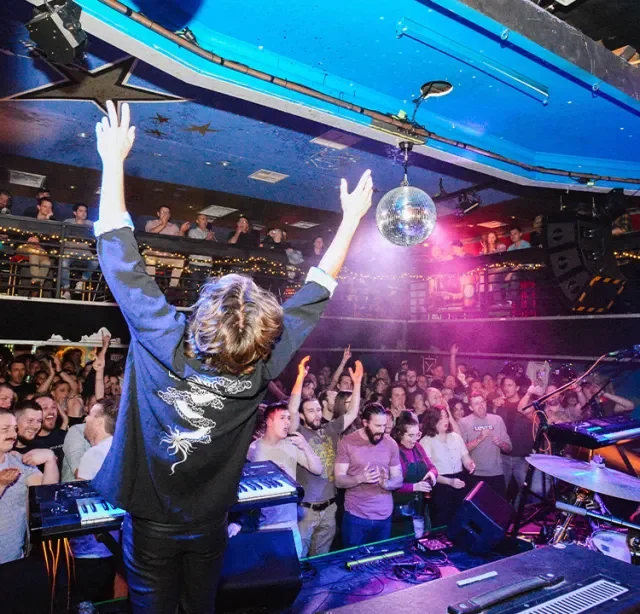
- [Trends](https://worldcitiescultureforum.com/wp-content/uploads/wp-mfa-exports/city/trends.md) — Key trends in the City of Adelaide, from legislation protecting live music venues to new innovation districts and co-working spaces.
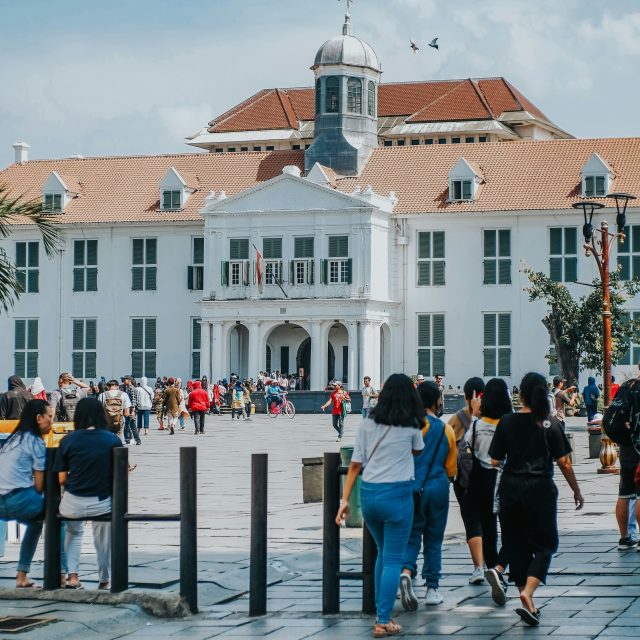
- [Jakarta overtakes Tokyo as the world's most populous city](https://worldcitiescultureforum.com/wp-content/uploads/wp-mfa-exports/post/jakarta-overtakes-tokyo-as-the-worlds-most-populous-city.md)
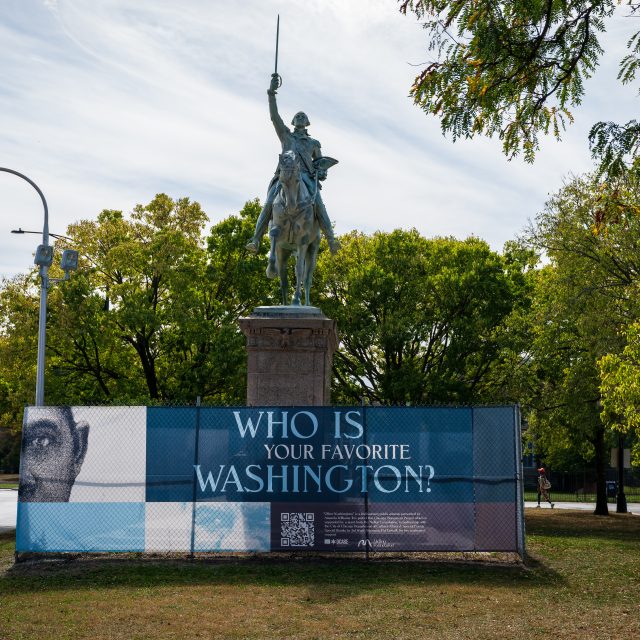
- [How the Chicago Monuments Project is reimagining public memory through equity and art ](https://worldcitiescultureforum.com/wp-content/uploads/wp-mfa-exports/city-project/the-chicago-monuments-project.md)
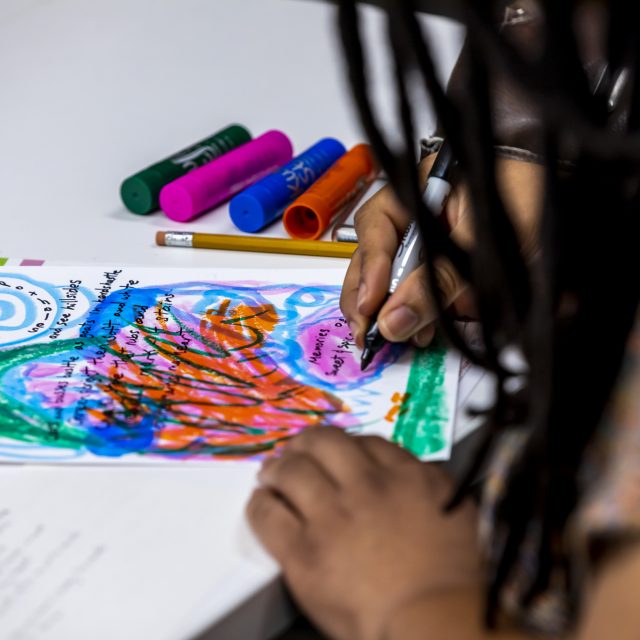
- [Healing Arts Chicago: Embedding creativity in community health ](https://worldcitiescultureforum.com/wp-content/uploads/wp-mfa-exports/city-project/healing-arts-chicago.md) — Through cross-sector partnership between city culture, health and labour departments, Healing Arts Chicago has trained local artists as certified Community Health Workers through training at City Colleges of Chicago and through apprenticeships.
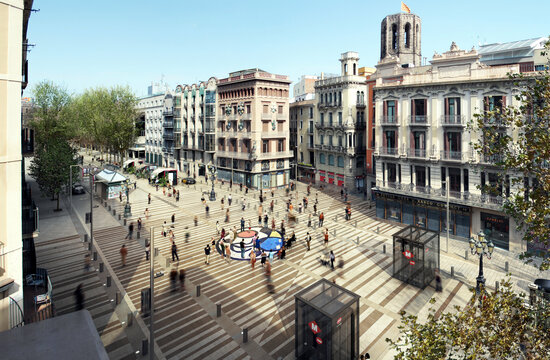
- [Cities Step Forward: How Pedestrianisation is Powering Culture in the Streets ](https://worldcitiescultureforum.com/wp-content/uploads/wp-mfa-exports/post/pedestrianisation-cultural-tool-inclusive-cities.md) — From Barcelona to Bogotá, cities are embracing the power of pedestrianisation. By turning roads into people-first spaces, they are opening streets to culture, creativity and community life
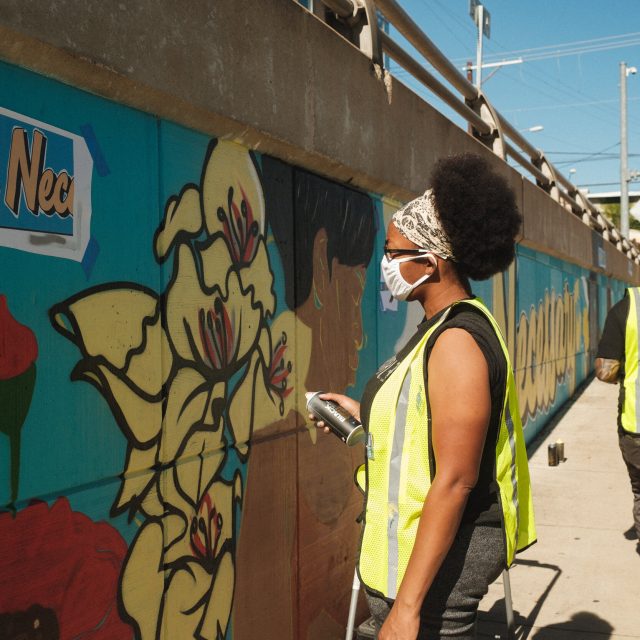
- [Inclusive public art empowering unhoused creatives in Austin ](https://worldcitiescultureforum.com/wp-content/uploads/wp-mfa-exports/city-project/art-for-all-austin-public-art-initiative-2.md) — Art for All is a public art initiative in Austin led by Raasin in the Sun and the City of Austin, offering paid creative opportunities to unhoused individuals. By transforming public spaces with community-driven murals, the programme promotes an inclusive culture and supports access to social services. Through mentorship, workshops, and storytelling, it fosters connection, skill-building, and financial stability – making public art more accessible for all while enriching Austin’s public realm strategy.
- [Access to Culture: Edinburgh’s Creative Community Hubs](https://worldcitiescultureforum.com/wp-content/uploads/wp-mfa-exports/city-project/access-to-culture-edinburghs-creative-community-hubs.md) — The City of Edinburgh Council’s Creative Community Hubs project has built a network of eight locally rooted hubs that foster inclusive cultural participation, address systemic barriers in collaboration, and strengthen community resilience through shared spaces, partnerships, and advocacy.
- [Creative Industries: Helsinki’s '9 Actions' creative economy strategy ](https://worldcitiescultureforum.com/wp-content/uploads/wp-mfa-exports/city-project/9-actions-for-helsinki-creative-industries-growth-strategy.md) — Helsinki is scaling up its commitment to the creative economy strategy through the “9 Actions” roadmap, co-developed with industry professionals. It proposes targeted steps to strengthen cultural entrepreneurship, remove administrative barriers, activate underused spaces, and support urban creative ecosystems. With global creative sectors growing rapidly, Helsinki’s long-term competitiveness hinges on how effectively it fosters creative sector growth and supports inclusive, innovation-driven cultural business models.
- [Cultural Villages: Preserving Betawi heritage while improving community welfare](https://worldcitiescultureforum.com/wp-content/uploads/wp-mfa-exports/city-project/developing-cultural-villages-jakarta.md) — Launched in 2022, Jakarta’s cultural village initiative supports five Betawi communities- Petukangan, Rawa Belong, Marunda, Condet, and Tanah Abang - to preserve heritage and improve welfare. Through community empowerment, cultural tourism, and traditional arts promotion, the programme strengthens local identity and enhances economic sustainability. Led by the Jakarta Culture Office and ADKI, this policy framework promotes inclusive cultural development while positioning Jakarta as a culturally grounded global city.
- [How Jakarta expanded the legacy of its 50-year-old youth theatre festival](https://worldcitiescultureforum.com/wp-content/uploads/wp-mfa-exports/city-project/canal-theatre-programme-jakarta.md) — Jakarta’s Canal programme builds on the 50-year legacy of the Jakarta Theatre Festival by offering non-competitive, experimental theatre opportunities to actors over 40. As part of the city’s inclusive cultural policy, Canal enables mature performers to explore creative expression while fostering exchange with actors from across Indonesia. The programme sustains long-term engagement in the performing arts and supports a more inclusive, age-diverse cultural landscape.
- [Cultural Resilience: Three ways Kyiv is supporting culture during conflict](https://worldcitiescultureforum.com/wp-content/uploads/wp-mfa-exports/city-project/cultural-resilience-three-ways-kyiv-is-supporting-culture-during-conflict.md)
- [Oral History: Preserving Lisbon’s collective memory through Memórias de Lisboa](https://worldcitiescultureforum.com/wp-content/uploads/wp-mfa-exports/city-project/memorias-de-lisboa-programme.md) — Lisbon City Council's Memórias de Lisboa (Memories of Lisbon) programme is a community-based cultural initiative dedicated to collecting, preserving and promoting the collective memory of Lisbon’s residents. More than 500 residents across different districts of Lisbon have taken part since 2015.
- [Library Strategy: How Lisbon Library Network is strengthening libraries as a cultural and social ecosystem](https://worldcitiescultureforum.com/wp-content/uploads/wp-mfa-exports/city-project/lisbon-library-network.md) — The Lisbon Library Network functions as an integrated municipal system connecting libraries across the city’s neighbourhoods. The network’s Strategic Programme 2025–2035 ensures that this ecosystem continues to thrive, adapting to technological, social and urban transformations while reinforcing the library’s role at the heart of Lisbon’s cultural policy.
- [Cultural Olympiad: Joint Los Angeles-Paris poster competition strengthens Olympic values and culture](https://worldcitiescultureforum.com/wp-content/uploads/wp-mfa-exports/city-project/los-angeles-2024-paris-cultural-olympiad-poster-competition.md) — The 2024 Paris Cultural Olympiad Poster Competition connected art students from Paris and Los Angeles in a cross-city collaboration that celebrates Olympic values, civic engagement, and cultural diplomacy. Organised by the City of Paris and LA County’s Department of Arts and Culture, the project supported emerging artists, created international exposure, and informed cultural programming for the 2028 LA Olympic Games through poster and animation design exhibited globally.
- [Creative Strategists: Integrating artist residencies into Los Angeles County governance and initiatives](https://worldcitiescultureforum.com/wp-content/uploads/wp-mfa-exports/city-project/los-angeles-creative-strategist-programme.md) — Los Angeles County's Creative Strategist Programme embeds artists within government departments to address civic challenges through creative strategies. Since 2018, 12 artists have collaborated with various departments, enhancing public engagement, cultural participation, and equity. Their work demonstrates the value of integrating arts into governance, fostering innovation, and promoting inclusive policies that reflect the diverse communities of Los Angeles County.
- [Celebrating 25 years of aboriginal arts funding in Melbourne ](https://worldcitiescultureforum.com/wp-content/uploads/wp-mfa-exports/city-project/melbourne-aboriginal-arts-grants.md) — For 25 years, Melbourne’s Aboriginal Arts Grants have supported First Nations artists through flexible, culturally responsive funding. Led by Aboriginal creatives and grounded in long-term investment, the programme has transformed the city's cultural sector and launched national careers. Despite challenges, it remains a model of equity in local cultural policy, celebrating Aboriginal voices and advancing self-determination through creative expression.
- [Supporting Melbourne’s d/Deaf and Disabled artists through The Warehouse Residency ](https://worldcitiescultureforum.com/wp-content/uploads/wp-mfa-exports/city-project/warehouse-residency-for-deaf-and-disabled-artists.md) — The Warehouse Residency is City of Melbourne’s flagship programme for d/Deaf and Disabled artists, offering access-led support, funding, and leadership opportunities. Designed with artists and grounded in disability justice, it supports bold, interdisciplinary work while challenging structural barriers in the arts. Since 2021, the programme has supported 40+ creatives, with plans to expand into producing, digital formats, and enhanced access budgets through 2028.
- [Participatory Murals: A ‘Name in Every Neighbourhood’ of Milan ](https://worldcitiescultureforum.com/wp-content/uploads/wp-mfa-exports/city-project/milan-a-name-in-every-neighbourhood.md)
- [Opening Doors: The app making Oslo’s municipal buildings accessible after-hours to activate cultural volunteering](https://worldcitiescultureforum.com/wp-content/uploads/wp-mfa-exports/city-project/oslonokkelen-after-hours-culture-app.md) — To support community life and volunteer engagement, Oslo is opening up municipal buildings through Oslo Booking and The Oslo Key – digital solutions for reserving and accessing schools and civic venues for culture and the community. The initiative addresses the growing need for free and flexible indoor spaces, removes bureaucratic barriers, and extends access beyond regular opening hours. In 2024 alone, 4.5 million hours of volunteer activity were booked at municipal venues, revitalising underused infrastructure to support inclusive cultural life citywide.
- [Celebrating 20 years of São Paulo’s VAI programme ](https://worldcitiescultureforum.com/wp-content/uploads/wp-mfa-exports/city-project/sao-paulo-vai-programme-for-cultural-inclusion.md) — 2025 marks the 20th anniversary of the Programa para a Valorização de Iniciativas Culturais (Valuation of Cultural Initiatives) (VAI) in São Paulo, one of Brazil’s most influential municipal cultural policies. Created in 2005, the VAI Programme has funded over 3,200 cultural projects by low-income youth and collectives in peripheral areas of the city – democratising access to funding, stimulating local cultural activity, and addressing structural inequalities in São Paulo’s cultural landscape.
- [How Stockholm has dedicated workers to establish new cultural spaces](https://worldcitiescultureforum.com/wp-content/uploads/wp-mfa-exports/city-project/stockholm-culture-pilots.md) — Since 2016, Stockholm’s Culture Pilots have supported cultural actors and property owners in transforming underused spaces into vibrant cultural venues. Acting as matchmakers and advisors, the Pilots guide projects from idea to opening, offering coaching, funding advice, and help navigating city processes. From industrial sites turned into stages to former shops reimagined as music studios, the initiative has activated spaces citywide, proving that cultural infrastructure needs both vision and practical support to thrive.
- [Revitalising Cultural Heriatage: Taipei’s Old House Cultural Movement Project ](https://worldcitiescultureforum.com/wp-content/uploads/wp-mfa-exports/city-project/taipei-old-house-cultural-movement-project.md) — Launched in 2013, Taipei’s Old House Cultural Movement Project is a pioneering public–private platform revitalising derelict cultural heritage sites through corporate investment and creative reuse. By offering rent discounts and tax exemptions linked to restoration work, the city incentivises long-term stewardship. With over USD 21 million in private investment by 2024, restored sites now house bookstores, theatres, creative hubs, and wellness centres, preserving heritage while integrating it into vibrant contemporary life.
- [How Taipei is reviving a heritage settlement with co-habitation between artists and residents](https://worldcitiescultureforum.com/wp-content/uploads/wp-mfa-exports/city-project/taipei-co-habitation-between-artists-and-residents.md) — Treasure Hill, once a self-built military settlement in Taipei, has been transformed into a model of living preservation through the Artists & Residents Co-Habitation policy. Since 2010, the site has blended historic housing, low-rent residences, and an artist village to foster community care and creative exchange. New residents apply through community-based proposals, contributing to education, arts, and stewardship. The model preserves cultural identity while building a sustainable, intergenerational community rooted in collaboration.
- [Catalyst and Transformation Fund: How Toronto supported arts and culture organisations to restructure and recover after the pandemic](https://worldcitiescultureforum.com/wp-content/uploads/wp-mfa-exports/city-project/torontos-catalyst-and-transformation-fund.md) — Launched in response to growing precarity in the cultural sector, Toronto’s Catalyst and Transformation (CAT) Fund helps arts and culture organizations reimagine their futures and business models. Delivered by Work In Culture, the fund supports strategic risk-taking, from shared governance models to thoughtful wind-downs, prioritising equity, sustainability, and collaboration. By offering anonymity and structural support, CAT has empowered organisations across the sector to embrace meaningful, long-deferred change and reshape their role in community life.
- [Cultural Strategy: Toronto’s Culture Connects 2025-2035 plan](https://worldcitiescultureforum.com/wp-content/uploads/wp-mfa-exports/city-project/torontos-culture-connects-2025-2035-strategy.md) — In 2024, the City of Toronto launched Culture Connects: An Action Plan for Culture (2025–2035) to redefine how culture is supported, experienced, and valued across the city. Developed in response to significant shifts in Toronto’s social and cultural landscape, the plan sets out a 10-year vision to ensure that everyone in Toronto has the opportunity to create, engage with, and feel a sense of belonging in the city’s cultural life.
- [How Abu Dhabi is protecting culturally significant buildings](https://worldcitiescultureforum.com/wp-content/uploads/wp-mfa-exports/city-project/abu-dhabi-modern-heritage-conservation-initiative.md) — Launched in 2023, Abu Dhabi’s Modern Heritage initiative identifies, safeguards, and maintains sites that have shaped Abu Dhabi’s cultural identity in the last 50 years. These sites are safeguarded for future generations due to their architectural, historical, societal, or scientific importance. The first 64 buildings conserved include a school, sports centre, hotels, and markets that have become culturally significant landmarks, serving as paradigms of architectural design and urban planning.
- [Data-led cultural mapping in Amsterdam](https://worldcitiescultureforum.com/wp-content/uploads/wp-mfa-exports/city-project/cultural-infrastructure-data-led-cultural-mapping-in-amsterdam.md) — Amsterdam’s rapid population growth strained its cultural infrastructure, with unevenly distributed facilities and declining availability of affordable creative workspaces. In response, the City of Amsterdam mapped all cultural spaces to identify gaps and inform strategic investment. This data-driven approach led to targeted development across districts — such as a proposed music street, new exhibition spaces, and theatres — enhancing cultural infrastructure and increasing cultural participation citywide.
- [One Dublin, One Book brings the city together through literature](https://worldcitiescultureforum.com/wp-content/uploads/wp-mfa-exports/city-project/one-dublin-one-book-2.md) — Every April since 2005, Dublin residents have been encouraged to read the same book either written by a Dubliner or connected with the capital city, through the One Dublin, One Book campaign. To mark the 20th year of this mass cultural participation event, Dublin City Council and Dublin UNESCO City of Literature commissioned an anthology of 22 poets and writers to capture Dublin in the first quarter of the century.
- [Delivering sustainable artist workspaces in Dublin](https://worldcitiescultureforum.com/wp-content/uploads/wp-mfa-exports/city-project/dublin-space-to-create-artist-workspaces-2.md) — Dublin City Council’s Space to Create programme responds to a critical shortage of artist workspaces by refurbishing vacant buildings into long-term, affordable studios. With €9.5 million in funding from the City Council, the Department of Tourism, Culture, Arts, Gaeltacht, Sport and Media, and philanthropy, the initiative will deliver 40 workspaces by 2027. The first site at Artane Place highlights a model of cultural infrastructure driven by local engagement, sustainability, and inclusive cultural policy.
- [Cultural Participation: How the London Borough of Culture made art accessible to all ](https://worldcitiescultureforum.com/wp-content/uploads/wp-mfa-exports/city-project/waltham-forest-london-borough-of-culture.md) — The Mayor’s London Borough of Culture programme offers a borough of the capital £1.35 million to stage a year of cultural initiatives and better integrate culture in their borough. Waltham Forest was the first ever London Borough of Culture in 2019. After 1,000 events that attracted 500,000 people and £4.1 million locally, the borough has created a new Creative Enterprise Zone for artists and a new Cultural Quarter for visitors.
- [Brussels by Night Enhancing safety for all](https://worldcitiescultureforum.com/wp-content/uploads/wp-mfa-exports/city-project/brussels-by-night-city-safety-strategy-2.md) — Launched in 2022, Brussels By Night demonstrates how city governments can transform nightlife safety through strategic partnerships with venue operators and city partners. Deploying incident response care teams at nighttime events, open air festivals and in nightlife districts has also helped prevent and manage gender-based and sexual violence, as well as drug and alcohol related incidents – while preserving vibrant nightlife culture and creating a safer nighttime economy.
- [Honouring the Dead: Community-led remembrance in the heart of Brussels  ](https://worldcitiescultureforum.com/wp-content/uploads/wp-mfa-exports/city-project/dia-de-muertos-in-brussels-cultural-participation-2.md) — Día de Muertos in Marolles is a community-driven festival in Brussels that blends Mexican tradition with local creativity to honour the dead through inclusive public rituals. Supported by the City of Brussels, it features workshops, concerts, and a large public altar, fostering cultural participation and social cohesion. The event exemplifies how cultural infrastructure can support access for all and strengthen collective memory through vibrant, community-led cultural exchange.
- [Arts Councils: How New York expanded cultural equity by boosting funding to borough-based arts programming ](https://worldcitiescultureforum.com/wp-content/uploads/wp-mfa-exports/city-project/funding-new-york-city-arts-councils.md) — To address cultural inequities and affordability challenges, NYC's Department of Cultural Affairs increased funding for local arts councils through the Greater New York Arts Development Fund. By distributing $3.4 million to local arts councils in 2024, the fund has supported over 650 artists and arts organizations across the five boroughs. This investment expands access to the arts in underserved communities and reinforces NYC’s identity as a hub of inclusive cultural creation.
- [WORLD CITIES TO TACKLE CREATIVE SPACE CRISIS AT INAUGURAL CREATIVE LAND TRUST SUMMIT ](https://worldcitiescultureforum.com/wp-content/uploads/wp-mfa-exports/post/creative-land-trust-summit.md) — From 27-30 May 2025, cultural city leaders, funders, and developers from over 15 cities - including London, Sydney, Calgary, Helsinki, Austin - will be attending the inaugural Creative Land Trust Summit in San Francisco, where this model has been pioneered. 
- [The Spirit of Ramadan: How the Ramadan Tent Project connects London’s communities ](https://worldcitiescultureforum.com/wp-content/uploads/wp-mfa-exports/post/the-spirit-of-ramadan-how-the-ramadan-tent-project-connects-londons-communities.md) — The Ramadan Tent Project brings people from all backgrounds together to share Iftar, the evening meal to break the fast. Established in 2013 as a student-led initiative at SOAS University of London, the project has grown into a city-wide project supported by the Mayor of London, Sadiq Khan
- [How Can Cities Scale Up Creative Approaches to Health?](https://worldcitiescultureforum.com/wp-content/uploads/wp-mfa-exports/post/how-can-cities-scale-up-creative-approaches-to-health.md) — The benefits of culture to our health are well-known. Whether through performing arts for dementia patients in Edinburgh, museum prescriptions for mental health in Montreal, or art therapy for trauma survivors in Kyiv, cities are tapping into the power of culture to tackle health challenges and improve citizen wellbeing. Beyond individual benefits, these programs build community cohesion, combat isolation, and boost urban resilience.
- [How World Cities Are Making Streets Safer with Asphalt Art](https://worldcitiescultureforum.com/wp-content/uploads/wp-mfa-exports/post/how-world-cities-are-making-streets-safer-with-asphalt-art.md) — A city’s streets and public spaces define its character and vibrancy, but too many urban streets are designed to prioritize cars over people. From Helsinki to Chicago, World Cities Culture Forum partner cities are bringing life back to their streets through a creative practice called asphalt art.

The Bloomberg Philanthropies Asphalt Art Initiative helps cities around the world make their streets safer and more welcoming for pedestrians through visual art interventions on streets, intersections, plazas, and other transportation infrastructure.
- [Nothing About Us Without Us: Youth and Culture in Global Cities Today](https://worldcitiescultureforum.com/wp-content/uploads/wp-mfa-exports/publication/nothing-about-us-without-us-youth-and-culture-in-global-cities-today.md) — Commissioned by the World Cities Culture Forum and the Dubai Culture and Arts Authority and launched at the 2024 World Cities Culture Summit on October 31, this new Report brings together global case studies on culture’s role in youth empowerment and engaged citizenship. 
- [Building bliss: living near heritage sites improves citizens’ wellbeing](https://worldcitiescultureforum.com/wp-content/uploads/wp-mfa-exports/post/building-bliss-living-near-heritage-sites-improves-citizens-wellbeing.md) — A new report by Historic England unveils the impact of local heritage on mental and emotional health. The research estimated that the overall wellbeing value of heritage visits is worth £29 billion every year in England, supporting citizen life satisfaction and pre-empting long-term clinical interventions.  
- [Design thinking shapes the future of İstanbul's neighbourhoods](https://worldcitiescultureforum.com/wp-content/uploads/wp-mfa-exports/city-project/tak-kartal.md) — Tasarım Atolyesi Kartal (‘Design Atelier Kartal’– abbreviated as TAK Kartal) is a creative innovation space that brings together Kartal residents, designers, volunteers, students and supporters to collaboratively create ideas and products for the public good, finding solutions that can improve the quality of life in Kartal
- [P.A.R.T.Y in Chicago: engaging communities through art for urban transformation](https://worldcitiescultureforum.com/wp-content/uploads/wp-mfa-exports/city-project/chicago-p-a-r-t-y-public-art-reimaging-tour-with-youchicago.md) — Chicago identified priority investment corridors in each neighborhood for streetscape and public realm enhancements, including new roadways, sidewalks, light poles, bike lanes, landscaping and community plazas.
- [Can 'Wake the Lake' reawaken Bengalaru's dying lakes?](https://worldcitiescultureforum.com/wp-content/uploads/wp-mfa-exports/city-project/lake-rejuvenation-united-way-of-bangalore-wake-the-lake.md) — Wake the Lake is a flagship campaign to revive the dying lakes of Bengaluru. The campaign is a strong demonstration of collaboration between civic bodies, corporates and citizens for the larger good.
- [Making space for arts and culture: Vancouver leads the way in arts ownership](https://worldcitiescultureforum.com/wp-content/uploads/wp-mfa-exports/city-project/expand-planning-tools-reduce-regulatory-barriers.md) — The purpose of the Community Amenity Contribution (CAC) policies is to prioritise the development of arts and culture spaces in city-building. The primary goal is to create more opportunities for community ownership, fostering a vibrant arts and culture scene within the city.
- [Cultural identity at risk: the challenge facing Vancouver's historic Chinatown](https://worldcitiescultureforum.com/wp-content/uploads/wp-mfa-exports/city-project/prioritize-intangible-cultural-heritage-promote-cultural-redress.md) — Conditionally approved by Council in 2022, Vancouver proposed priority projects, actions, partners, policy work, and resources to foster a
vibrant Chinatown, and provide a foundational document towards a potential UNESCO World Heritage Site designation for the area.
- [How Shenzhen's Nantou ancient city preserves its 1,700-year heritage amidst urban development](https://worldcitiescultureforum.com/wp-content/uploads/wp-mfa-exports/city-project/nantou-ancient-city-neighborhood-renovation.md) — Nantou Ancient City renovation project was set up to preserve and enhance a historically significant district in Shenzhen with a rich history spanning over 1,700 years. This district is known for its cultural importance and its transformation into a modern, integrated community that seamlessly blends its historical and contemporary elements
- [The art of participation: 'Creative December' and its evolving role in Shenzhen](https://worldcitiescultureforum.com/wp-content/uploads/wp-mfa-exports/city-project/creative-december.md) — Creative December has become an important cultural festival for Shenzhen citizens.
- ['Summer in the City of Rams': how the campaign model is bridging heritage and modern culture in Guangzhou](https://worldcitiescultureforum.com/wp-content/uploads/wp-mfa-exports/city-project/summer-in-the-city-of-rams-guangzhou-citizens-cultural-season.md) — The Guangzhou government has been keen to upgrade the cultural offer of the city, to revitalise its traditional culture, and offer more artistic activities to the general public.
- [Art avenues to a more equitable Chicago: 'We Will Chicago' unveiled](https://worldcitiescultureforum.com/wp-content/uploads/wp-mfa-exports/city-project/we-will-chicago-citywide-planning-process.md) — A ten year framework to enhance citywide equity and resiliency, the "We Will Chicago" plan includes approximately 40 goals and 150 objectives to improve Chicagoans' lives, especially individuals impacted by inequities in health, economic stability, neighborhood livability, and other systemic issues
- [Who tells the story? Chicago changes the landscape of memory](https://worldcitiescultureforum.com/wp-content/uploads/wp-mfa-exports/city-project/chicago-chicago-monuments-project.md) — Chicago recognized the need for a larger reckoning with monuments that symbolize outdated values and
that do not tell the story, or the full story, of the city's history.
- [Mayor Eric Adams' blueprint safeguards New York's cultural assets](https://worldcitiescultureforum.com/wp-content/uploads/wp-mfa-exports/city-project/new-york-culture-at-risk-task-force.md) — In 2022, newly elected Mayor Eric Adams introduced the plan Rebuild, Renew, Reinvent: A Blueprint for New York City's Economic Recovery to address the significant impacts of the pandemic on the city.
- [Montréal's hyperlocal cultural policy keeps an eye on the big picture](https://worldcitiescultureforum.com/wp-content/uploads/wp-mfa-exports/city-project/cultural-neighbourhoods.md)
- [​How Montréal's department of culture tackled pandemic isolation](https://worldcitiescultureforum.com/wp-content/uploads/wp-mfa-exports/city-project/nos-maisons-our-homes.md) — Montréal's Department of Culture wanted to find a safe and creative way to bring citizens together and create spaces for collaboration and resource exchange between local government, artists and arts organizations, and the City's population who were confined to their homes.
- [From canvas to concrete: the power of storytelling in Milan's street art](https://worldcitiescultureforum.com/wp-content/uploads/wp-mfa-exports/city-project/a-name-in-every-neighbourhood.md) — Milan wanted to bring together artists with local people to devise large-scale murals using the name of each area of the city. The varied artworks are also designed to act as a focal point for local identity and community.
- [Resilience rewarded: Melbourne's 'Rising Festival' shines in 2022](https://worldcitiescultureforum.com/wp-content/uploads/wp-mfa-exports/city-project/rising-festival.md) — In 2022, RISING saw its first full iteration as a nearly two-week-long festival presented across and transforming neighborhoods in the city, including Flinders Street Station, Birrarung, Chinatown, and The Wilds. The festival, presented in June, featured 225 events with 801 local and international artists who took the city as their canvas, transforming its streets, gardens, carparks, waterways, and rooftops in an explosion of culture aimed squarely at the heart of Melbourne's night-time scene.
- [Driving equity forward: Los Angeles County's cultural strategy](https://worldcitiescultureforum.com/wp-content/uploads/wp-mfa-exports/city-project/los-angeles-countywide-cultural-policy-2.md) — In 2017, Los Angeles County's Cultural Equity & Inclusion Initiative (CEII) issued a report with a set of recommendations to ensure that everyone in Los Angeles County has equitable access to arts and culture, and to embed the arts in policy and services.
- [From dusk till dawn: expanding London's Night Time Enterprise Zone model](https://worldcitiescultureforum.com/wp-content/uploads/wp-mfa-exports/city-project/london-night-time-enterprise-zone-pilot-project.md) — Night Time Enterprise Zones are designed to support and grow the night time economy on local high streets or in town centres. In 2019, London Night Time Commission called for a Night Time Enterprise Zone fund for LOCAL boroughs AND a pilot project was launched by the Mayor of London which is now being expanded.
- [How Lisbon's festival of politics bridges the gap between arts and politics](https://worldcitiescultureforum.com/wp-content/uploads/wp-mfa-exports/city-project/lisbon-festival-of-politicslisbon.md) — The Festival of Politics is a two day programme of debates, workshops, films, art, music and children’s activities, aimed at increasing political engagement, as well as encouraging social change and critical thinking.
- [Culture without boundaries: 'Virada Cultural' extends to the fringes of São Paulo](https://worldcitiescultureforum.com/wp-content/uploads/wp-mfa-exports/city-project/sao-paulo-virada-cultural.md) — The Covid-19 pandemic amplified the inequity of access to cultural provision, with the closure of venues, reduced mobility around the city, and unequal access to digital platforms. The municipality saw the return of major festivals in-person in 2022 as an opportunity to drive cultural engagement and widen access to culture in the city.
- [Cultural catalyst: Warsaw empowers NGO's for social change](https://worldcitiescultureforum.com/wp-content/uploads/wp-mfa-exports/city-project/cultural-catalysts-how-warsaw-empowers-ngos-for-social-change.md) — In 2018 the City of Warsaw announced an open competition for NGOs to address social issues through culture.
- [Buenos Aires culture pass transforming the city's youth into cultural enthusiasts](https://worldcitiescultureforum.com/wp-content/uploads/wp-mfa-exports/city-project/cultural-pass.md) — Buenos Aires has created a Cultural Pass programme that aims to promote cultural consumption and increase engagement among young people across the city.
- [How Barcelona is pioneering new cultural policy by embedding cultural rights](https://worldcitiescultureforum.com/wp-content/uploads/wp-mfa-exports/city-project/cultural-rights-nurturing-cultural-grassroots.md) — Barcelona is pioneering cultural policy in its cultural sector and promoting the right to produce and access culture freely across the city. 
- [Embracing cultural diversity: how 'Enter Festival BXL' engaged citizens in Brussels](https://worldcitiescultureforum.com/wp-content/uploads/wp-mfa-exports/city-project/enter-festival-bxl.md) — As Brussels diversifies, its cultural offering diversifies too. It is important not to programme cultural work that reduces people only to their ethnic, cultural and religious background.s.
- [How Rio de Janeiro's 'Ações Locais' is dismantling barriers for marginalised producers](https://worldcitiescultureforum.com/wp-content/uploads/wp-mfa-exports/city-project/acoes-locais.md) — Unable to access mainstream funding, Rio de Janeiro's cultural producers needed support to redress this imbalance. A local programme is striving to overcome entrenched racial and cultural biases.
- [Seoul's open-air museum: a quest to inspire deeper cultural encounters](https://worldcitiescultureforum.com/wp-content/uploads/wp-mfa-exports/city-project/seoul-is-museum-2.md) — A public citizen-led art programme creating cultural spaces in Seoul's public places, with the aspiration of turning the city into an open-air art museum.
- [Preserving heritage: communities in San Francisco their cultural identities](https://worldcitiescultureforum.com/wp-content/uploads/wp-mfa-exports/city-project/the-cultural-districts-initiative-2.md) — Communities are collaborating with the City to help preserve the cultural and social fabric of San Francisco's historic neighbourhoods.
- [How the Buenos Aires neighbourhood 'Abasto' shaped its cultural renaissance through community collaboration](https://worldcitiescultureforum.com/wp-content/uploads/wp-mfa-exports/city-project/abasto-barrio-cultural.md) — The cultural landscape of Buenos Aires was significantly impacted by the Covid-19 restrictions, particularly affecting independent cultural organisations that were already structurally vulnerable prior to the pandemic. Abasto, a neighbourhood in the eastern part of Buenos Aires, has historically had a lower socio-economic status
- [Beyond blockbusters: bringing cinema and harmony to Rio's favelas](https://worldcitiescultureforum.com/wp-content/uploads/wp-mfa-exports/city-project/cinecarioca-nova-brasilia.md) — Access to cinema becomes an important way of encountering other cultures and ideas, and learning more about the world.
- [Acknowledging a shared past: Sydney's Eora Journey unveiled](https://worldcitiescultureforum.com/wp-content/uploads/wp-mfa-exports/city-project/yananurala-walking-on-country.md) — Aboriginal people have faced significant injustices and their culture often dismissed. Sydney's Yananurala initiative to recognise First Nations Australians in public art and the public domain.
- [Creative wellbeing: mental health and wellness for youth in county systems in Los Angeles](https://worldcitiescultureforum.com/wp-content/uploads/wp-mfa-exports/city-project/creative-wellbeing.md) — Through decades of arts-based programming, research, and experience, LA County has seen firsthand how healing-informed arts activities provide youth with an opportunity to learn new skills and express their thoughts or ideas in a creative and therapeutic way.
- [Dementia friendly London: a game-changer for vulnerable residents](https://worldcitiescultureforum.com/wp-content/uploads/wp-mfa-exports/city-project/dementia-friendly-venues-charter.md) — The Mayor of London and the Alzheimer's Society launched the FIRST Dementia Friendly London initiative. The goal is to make London the world's first dementia-friendly capital city.
- [How a citizen-led project reconnects Lisbon's elderly with their communities](https://worldcitiescultureforum.com/wp-content/uploads/wp-mfa-exports/city-project/neighbourhood-lives-and-memories.md) — Reducing isolation and loneliness among the elderly population whilst gathering the history and memories of the city's older generation.
- [The power of culture: parents praise Helsinki's Culture Kids programme](https://worldcitiescultureforum.com/wp-content/uploads/wp-mfa-exports/city-project/the-culture-kids-programme.md) — Establishing a city-wide programme that aims to engage with new audiences by pairing children with sponsors from the world of arts and culture.
- [From Chitty Chitty Bang Bang to The Marriage of Figaro: dementia-friendly performances in Edinburgh](https://worldcitiescultureforum.com/wp-content/uploads/wp-mfa-exports/city-project/forget-me-not-dementia-friendly-communities-project.md) — Edinburgh is opening hearts and minds by creating a supportive performance environment for audiences living with dementia.
- [Integration and solidarity: Cinemaximiliaan's initiative helps Brussels refugee communities](https://worldcitiescultureforum.com/wp-content/uploads/wp-mfa-exports/city-project/cinemaximiliaan.md) — Most refugees lived in makeshift tents and shelters in Maximiliaan Park in the Northern Quarter. At its height, the park became home to more than 1,000 people waiting to register with the Belgian Immigration Department. A project was needed to offer refugees communities support through culture.
- [Watch the recording: 'Tomorrow's Talent: What Do Creatives Need from Cities?'](https://worldcitiescultureforum.com/wp-content/uploads/wp-mfa-exports/event/public-session-world-cities-culture-summit-2024.md) — At the World Cities Culture Summit 2024 hosted by Dubai Culture & Arts Authority, we invited the city's creative community to attend a public session at Alserkal Avenue, Dubai's leading cultural district.
- [THE RISE OF THE CREATIVE LAND TRUST MOVEMENT](https://worldcitiescultureforum.com/wp-content/uploads/wp-mfa-exports/event/the-rise-of-the-creative-land-trust-movement.md) — Join us for the launch of World Cities Culture Forum’s Creative Land Trust Toolkit, a practical guide researched by Left Bank Co, with global case studies and step-by-step advice for setting up a Creative Land Trust model.
- [The Seoul Declaration: World Cities Culture Forum’s pledge for culture and inclusion in cities ](https://worldcitiescultureforum.com/wp-content/uploads/wp-mfa-exports/post/the-seoul-declaration-world-cities-culture-forums-pledge-for-culture-and-inclusion-in-cities.md)
- [Sir Sadiq Khan, Mayor of London](https://worldcitiescultureforum.com/wp-content/uploads/wp-mfa-exports/report/sadiq-khan-world-cities-culture-report.md) — Foreword from Sir Sadiq Khan, Mayor of London and patron of World Cities Culture Forum, to the World Cities Culture Report: 5th Edition
- [Justine Simons OBE, Founder of World Cities Culture Forum](https://worldcitiescultureforum.com/wp-content/uploads/wp-mfa-exports/report/justine-simons-world-cities-culture-foreword.md) — Foreword from Justine Simons OBE, founder of World Cities Culture Forum, introducing the report and framing its importance.
- [Public Realm](https://worldcitiescultureforum.com/wp-content/uploads/wp-mfa-exports/report/inclusion-representation-public-realm.md) — Cities worldwide are reshaping monuments, murals and civic spaces to reflect diverse communities, promote cultural inclusion and decolonise public art
- [More Regional Trends](https://worldcitiescultureforum.com/wp-content/uploads/wp-mfa-exports/report/regional-cultural-policy-trends.md) — From Indigenous knowledge in Australasia to digital innovation in East Asia, cities are using culture to shape more inclusive, sustainable, and creative futures. Drawing on recent survey data and case study submissions from our cities, this section offers a snapshot of emerging cultural policy trends across regions.  While each region has its own distinctive priorities, common themes such as access to space, climate action, youth engagement, and equity, highlight the extent to which all major cities share similar challenges in defining tomorrow’s cultural landscape.
- [4th Edition](https://worldcitiescultureforum.com/wp-content/uploads/wp-mfa-exports/report/world-cities-culture-report-2022-4th-edition.md) — The Covid-19 pandemic had a huge impact on cities and their culture. The 2022 report explores how cities recovered. The Report highlights the role of culture in driving cities economic and social recovery after the Covid-19 pandemic and demonstrates the key role culture plays in addressing urban challenges and creating thriving cities.