
Towards 24 Hour Cities: Reflection on Night-time Economy Policy Accelerator
In collaboration with VibeLab, written by Mirk Milan and Jane Slingo

Key Data
- 97% of cities are working to support the night-time economy
- 59% of cities have a night-time economy strategy
- 21% of cities have a dedicated night-time economy role in the culture department
INTRODUCTION
From Nanjing to Melbourne and from Barcelona to Montréal, cities are recognising that what happens after dark is an integral part of their identity, culture and economy.
Governments are rethinking licensing, safety, and spatial planning regulations in response to growing demands for night-time activities, spaces and security. However, they face significant challenges including inadequate data, outmoded legislation and conflicting lines of administrative responsibility.
At the World Cities Culture Summit 2024 in Dubai, a Night-time Policy Accelerator brought together 40 policymakers from global cities including San Francisco, London, Guangzhou and Cologne to explore these challenges and share promising approaches.
1. Cultural Infrastructure and Talent Development
- A clear vision: Successful strategies require stakeholder engagement, political support, and practical implementation plans. They must be inclusive, accessible, and responsive to diverse needs. In Sydney, an industry-led campaign, Vote Music stimulated AUD 103 million in night-time investment and led to the establishment of a government office for contemporary music.
- A functioning economy: A 24-hour economy calls for special licensing strategies, response to local climate conditions, support for night-time workers’ rights, and access to safe and affordable transport. To achieve this cross-departmental collaboration is essential. 50% of cities have dedicated roles to support the night-time economy (21% in culture departments) establishing initiatives like extended licensing hours (50%) and dedicated support for night-time workers (30%). Wage disparity based on gender and ethnicity is as great, if not greater, a problem in the night-time economy as it is in the economy at large.
- A secure environment: Safeguarding night-time cultural spaces, their users and their workers is essential to success. This requires working with stakeholders, reviewing outmoded regulations and creating new policies. Cities such as Montréal and Cologne are already taking this approach, with 50% conducting stakeholder mapping of their night-time economies. In London, the Agent of Change policy ensures that established music and night-time venues cannot be shut down because of their proximity to new developments.
2. Sustainability
- Social Sustainability: Night-time strategies must reflect the needs and expectations of diverse citizens. Tailored approaches are needed that emphasise inclusivity, sensitivity and well-being, from supporting older citizens to enjoy Tokyo at night, to Dubai’s shifting rhythm during Ramadan.
- Environmental Sustainability: Night-time strategies should prioritise energy efficiency, waste reduction and responsible sourcing, collaborating widely to ensure understanding and adoption. In Edinburgh, Culture for Climate Scotland helps arts and cultural organisations to measure and manage their impact through environmental reporting tools. Similarly, Green Music Australia offers sustainability training and assessments for music businesses and venues through its Green Action Plan and a Green Music Venue Certification Scheme. While these initiatives serve the broader cultural and arts sector, there is potential for cities to expand sustainability training and awareness specifically within the night-time economy.
- Economic Sustainability: The night-time economy depends heavily on small and micro businesses. Cities should consider providing microgrants, tax relief, low interest loans and specialised business support. Over half of cities from São Paulo to Stockholm and Guangzhou, are delivering or developing support for cultural venues, such as business tax relief and dedicated funding.
3. Night-time Safety & Security
- Avoiding conflict: Community engagement is crucial to building vibrant, safe, and accessible neighbourhoods. Cities must learn how to balance the needs of night workers, late-night audiences and local residents. Building inclusive solutions calls for intergenerational dialogue and local mediation.
- Safety for women and girls: Culturally aware safety strategies need to go beyond conventional security measures to give real confidence to different communities and user groups. In Dublin, initiatives for policy and awareness-building such as the Safe and Sound Campaign are the product of close collaboration between the city administration, transport agencies and community safety networks.
- Developing the right strategies: Effective safety strategies depend on good data but also social and cultural sensitivity. Designing environments that feel safe and welcoming requires clear safety standards, community insight, staff training and an inclusive approach. 69% of cities from Amsterdam to Jakarta, Taipei and Sydney are developing or implementing safety at night policies and strategies.

KEY TRENDS & INSIGHTS
1. Supporting young people in night-time culture
82% of cities are supporting young people through culture. This extends to the night where new programmes are emerging to expand education, accessibility, youth-led programming and jobs in night-time businesses. These include grassroots initiatives from VibeLab’s EU wide NightSchool for young nightlife producers to Mumbai’s The Dharavi Dream Project for underprivileged hip-hop artists. Cities can develop and support such programmes that enable youth access to nightlife through funding and other measures.
2. Towards a greener and sustainable nightlife
Live events and festivals have brought environmental impact into focus, from Eurosonic Noorderslag Festival’s Green Touring Support to Thailand’s Wonderfruit Festival’s zero food waste initiatives and circular economy practices. To build sustainable night-time ecosystems in cities, these innovations need to move beyond events and into city planning and regulation frameworks. While 80% of cities have increased engagement with climate through culture, only seven cities have dedicated roles in cultural departments, highlighting a gap in connecting environmental sustainability and cultural policy.
3. Supporting night-time creative ecosystems
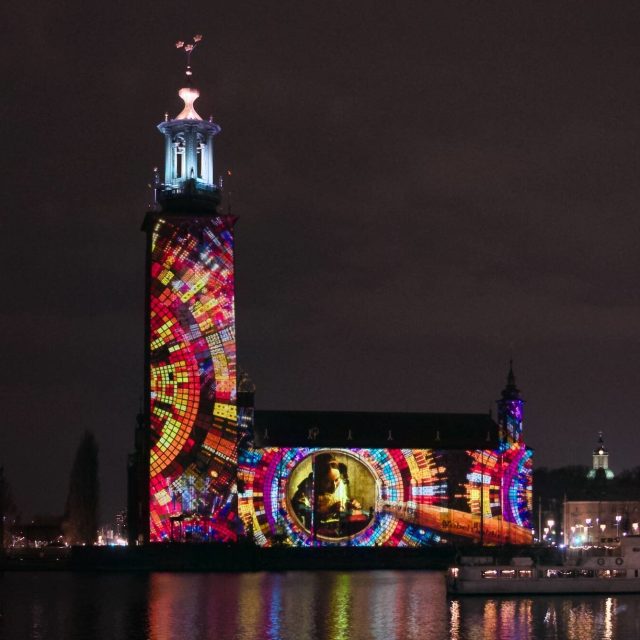
Cities are actively protecting and growing creative infrastructure under pressure from rising costs and gentrification. More than 60% of cities are working to enhance their night-time ecosystems through funding for events and activations and delivering cultural activities such as museum lates and light festivals. Nanjing’s Changjiang Road Historical and Cultural District is a popular site of Nanjing’s night-time cultural tourism – with night museum tours and night-time cultural programmes combining retail, cultural and business travel with the night-time economy. While many cities are leading the way, the night-time economy is still an emerging trend and policy area for many global cities. In regions such as Africa and Latin America, the formalisation of the night-time economy is likely to take bold and innovative directions – shaped by local approaches to urban life after dark.
4. Night-time culture for all
Cities are working to ensure that night-time cultural life is accessible, inclusive and decentralised – especially for marginalised communities. San Francisco’s Drag Laureate Programme exemplifies how cities can elevate LGBTQI+ voices and diversify the night. However, more progress is needed: currently, only three cities in our network actively track the number of LGBTQI+ cultural spaces, highlighting a significant gap in data and support.
5. Safety at night
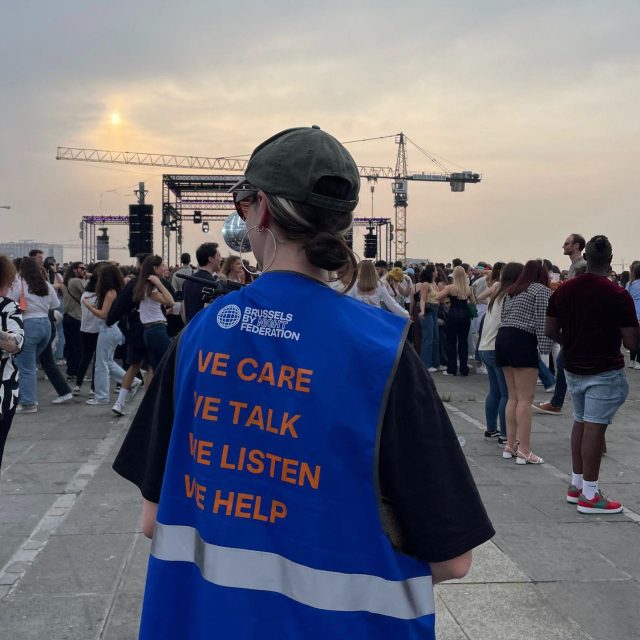
Safety and security are key priorities for cities managing the night-time economy. Over 60% of cities have existing or developing safety at night policies such as the Brussel’s by Night City Safety Strategy which addresses this through venue training and coordinated volunteer care teams.
POLICY RECOMMENDATIONS
Night-time culture is a broad, multi-sectorial and dynamic concept. Here are three broad, generic policy recommendations, but each city needs to adapt policies to its own citizens needs and social contexts.
1. Protect Night-time Cultural Spaces through Urban Planning
Policies, including planning regulations, should protect venues and cultural spaces from displacement and gentrification. Solutions can include designating night-time creative enterprisezones, and integrating culture into long-term urban planning through zoning, licensing, and infrastructure policies, alongside systematic data collection.
2. Implement Inclusive Night-time Safety Strategies
Safety strategies should prioritise young people, women and marginalised groups with better street lighting, safe transport, inclusive training, and community-designed “last mile” (i.e. the final segment of a person’s journey from a public space such as a music venue or workplace to their home) solutions that go beyond policing to create safe, reliable and welcoming night-time environments.
3. Support Night-time Entrepreneurs
Cultural venues, businesses, and informal operators can be supported by microgrant schemes, tax exemptions or reductions and mentorship. Capacity-building programmes and peer networks help build a more resilient, diverse and inclusive night-time economy.