
How Dublin used culture to strategically boost its nightlife
Project: Reshaping Dublin’s after-dark identity through cultural programming, transport reform, and public safety
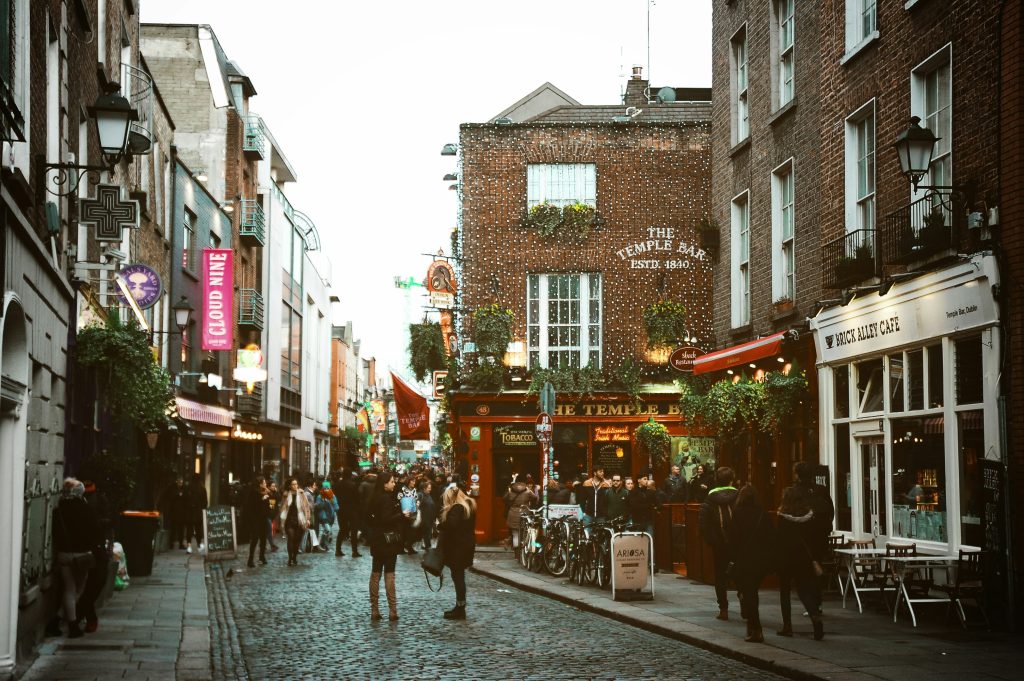
In 2024, Dublin launched a new Night-Time Economy Strategy to reimagine nightlife as a key pillar of civic and cultural life. Led by the city’s first Night-Time Economy Adviser, the plan expands late-night cultural programming, enhances transport, and improves safety. With flagship events like Dublin By Night Fest and St. Patrick’s After Dark, the strategy promotes inclusive and vibrant after-dark engagement while piloting welfare services and safer city experiences.
Cultural activation to reclaim the night
At the heart of this policy shift is a focus on cultural activation. Recognising that cultural institutions and events can drive footfall and foster a sense of belonging, Dublin City Council prioritised extending cultural access beyond traditional hours. This also addressed a broader policy goal: reframing nightlife not just as entertainment, but as civic and cultural participation.
The city supported a range of new after-dark programmes, including Dublin Book Festival After Dark, a curated series of literary readings, performances, and conversations for nighttime audiences; Brigit Late – a showcase of female DJ talent, centring gender representation in club culture; St. Patrick’s After Dark – for the first time, electronic music and club events were hosted in five iconic Dublin venues on St. Patrick’s Day; Dublin By Night Fest – a two-night, city-centre cultural experience featuring public art, live music, and food; and Comedy Culture in the Capital – a new comedy series spotlighting Irish and international acts across night-time venues.
These cultural programmes are complemented by efforts to extend opening hours for libraries, museums, and performance venues – making after-dark culture a consistent and reliable feature of urban life.
Safety and social infrastructure
Alongside cultural programming, the Night-Time Economy Strategy introduced key safety and mobility initiatives to support responsible nightlife and increase access for all. The Safe and Sound Campaign launched in 2024 to raise awareness about safe, respectful night-time behaviour.
As part of this, the city successfully piloted a welfare zone during the Christmas season, offering first aid, public safety information, and onsite support for vulnerable individuals. This is now being expanded into a permanent Dublin Nights Help Zone in 2025.
In parallel, the strategy identified mobility as a crucial enabler of safe cultural participation. Dublin City Council advocated for extended late-night public transport services; improved service frequency and reliability; and enhanced accessibility for vulnerable and disabled passengers. Upgraded lighting and surveillance infrastructure were also introduced in key public areas to improve perceptions and reality of safety at night.
These interventions are grounded in cross-sector collaboration, with Dublin City Council coordinating between transport agencies, cultural partners, and community safety networks.