
Balancing resident needs with a vibrant, sustainable night time economy in Amsterdam
Project: Testing new initiatives to develop a balanced night time economy policy
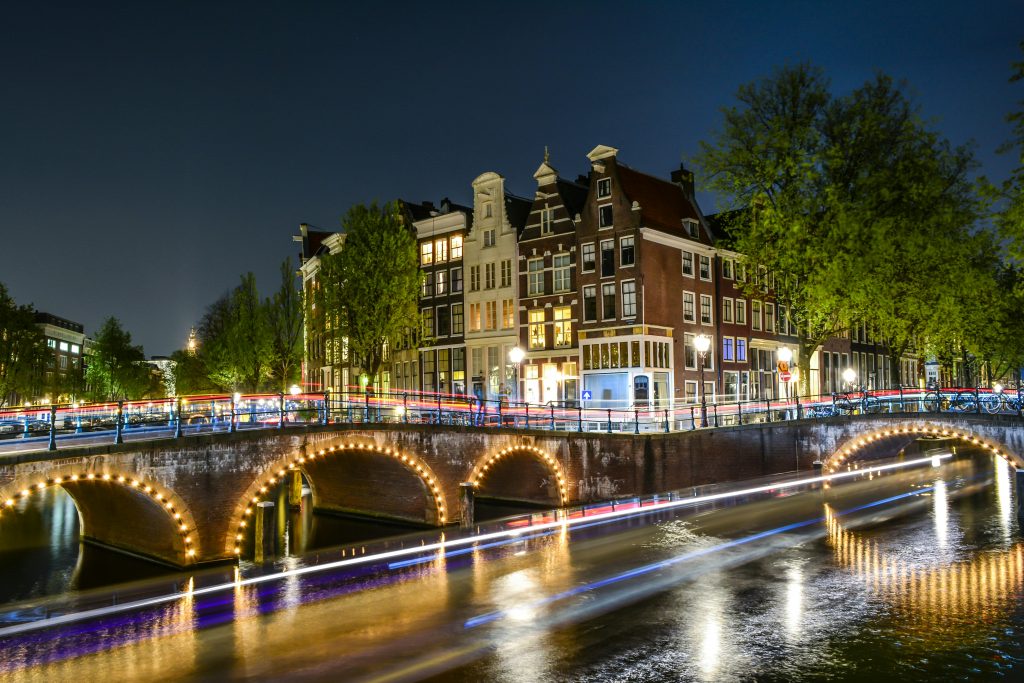
Amsterdam’s nightlife is more than just entertainment—it’s a vital cultural and economic asset that drives creativity, social connection, and urban vibrancy. In recognition of this, the City of Amsterdam launched the Implementation Agenda for Night Culture 2023–2026, a strategic programme with a EUR 2.16 million budget designed to strengthen the night time economy through 15 targeted policy measures. Building on the 2021 Night Vision policy, the agenda addresses challenges around resident engagement, affordable space, support for emerging creatives, and sustainable coexistence between nightlife venues and local communities.
Understanding resident needs
Night culture often intersects with residential life, leading to concerns around noise, safety, and quality of life. To build a more inclusive policy approach, the City has prioritised research into how residents experience nightlife. In partnership with VibeLab, this study gathers perspectives on accessibility, safety, and neighbourhood wellbeing. The findings will inform future policies and help balance the needs of both residents and nightlife venues. This proactive engagement ensures that the night time economy reflects community realities and builds long-term public support.
Supporting emerging nightlife creatives
Young talent is key to the continued evolution of Amsterdam’s nightlife. To address this, Measure 10 introduces a subsidy scheme through the Amsterdam Arts Fund (Amsterdams Fonds voor de Kunst), offering grants to young, self-taught creatives and first-time applicants and pairing them with mentors for project development. The initiative includes mentorship, where experienced professionals support new talent in developing their projects to ensure that nightlife remains diverse and innovative. It also offers larger funding opportunities, that resulted in the first artist-in-residency at a nightclub. These investments help ensure that the night time economy continues to thrive through new talent and artistic diversity.
Expanding affordable space to boost the night time economy
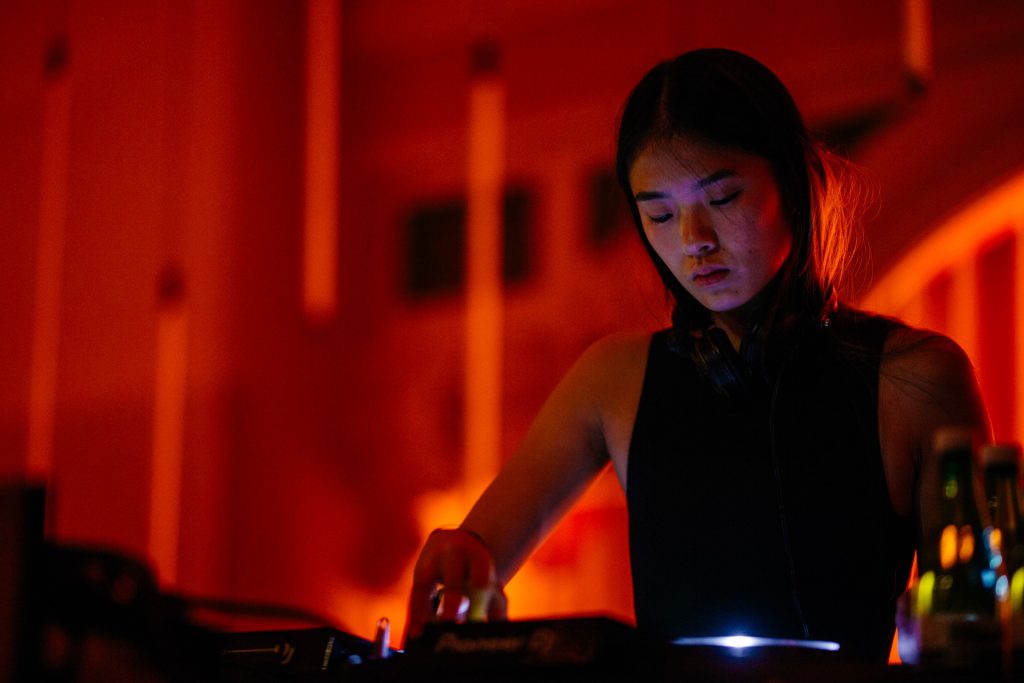
As urban development accelerates, affordable space for night culture is increasingly scarce. The City is responding by conducting feasibility studies to identify new locations for nightlife venues and by supporting infrastructure like creative hubs and the Academy of Club Culture. One major outcome is the Institute for Night Culture (INC), currently being developed in central Amsterdam. INC will serve as a venue for artistic production and knowledge exchange, reinforcing nightlife’s role in the city’s long-term cultural ecosystem and embedding night culture into formal cultural policy frameworks.
Fostering better relationships between venues and neighbourhoods
Noise remains one of the most persistent sources of tension between nightlife venues and residents. To reduce friction, the City has introduced a pilot fund inspired by Berlin’s Schallschutzfonds, supporting clubs to implement soundproofing and noise-reduction measures. This fund allows venues to operate responsibly without bearing unsustainable costs. It represents a key step in making the night time economy more resilient and sustainable, while preserving its vibrancy.
Looking ahead
A full evaluation of the Implementation Agenda is planned for July 2025, offering further insight into its long-term impact. For now, it stands as a model of how thoughtful, data-informed cultural policy can support night culture not only as a leisure activity, but as an essential part of Amsterdam’s creative, social, and economic fabric.