Diversity and Representation in the Public Realm
Based on insights from the World Cities Culture Report Survey and City Projects
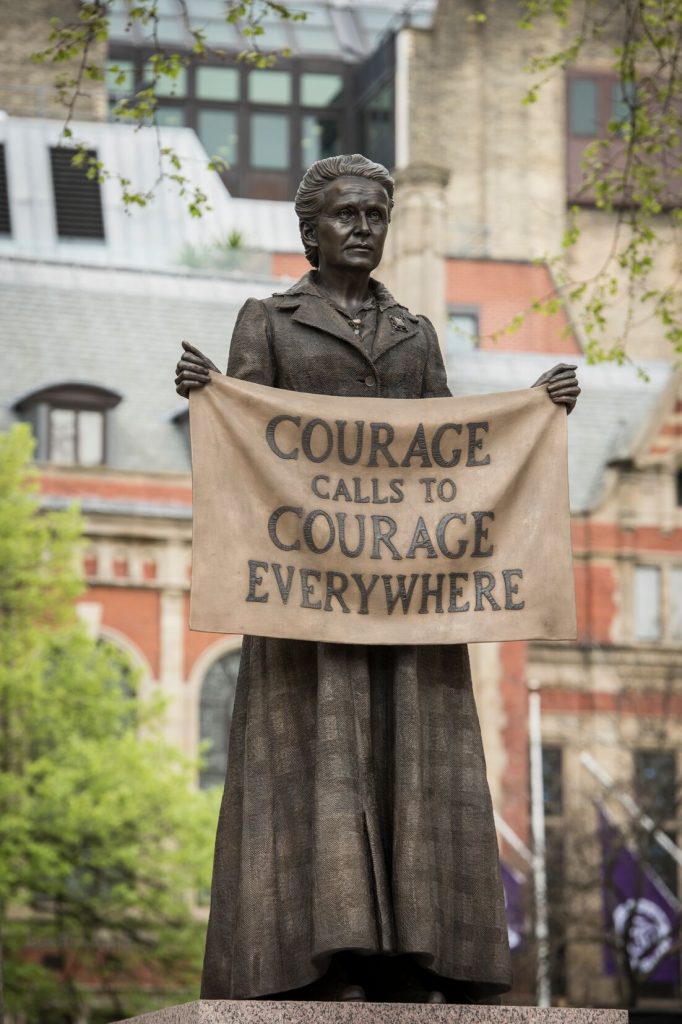
Global cities are shaped by diverse communities, complex histories, and multiple perspectives. Across World Cities Culture Forum, cities are increasingly committed to transforming public spaces to better reflect the identities, stories, and lived experiences of citizens.
All surveyed cities are actively implementing policies or programmes to improve representation and inclusion in public spaces. Representation in cities is both physical and systemic – visible in monuments, murals and civic spaces, and also embedded in policies, funding and programming. This work is especially urgent in cities with legacies of colonisation, migration and systemic inequalities. While some initiatives focus on historical reckoning, cities are also looking forward, reimagining the public realm as a space of shared identity, participation and healing.
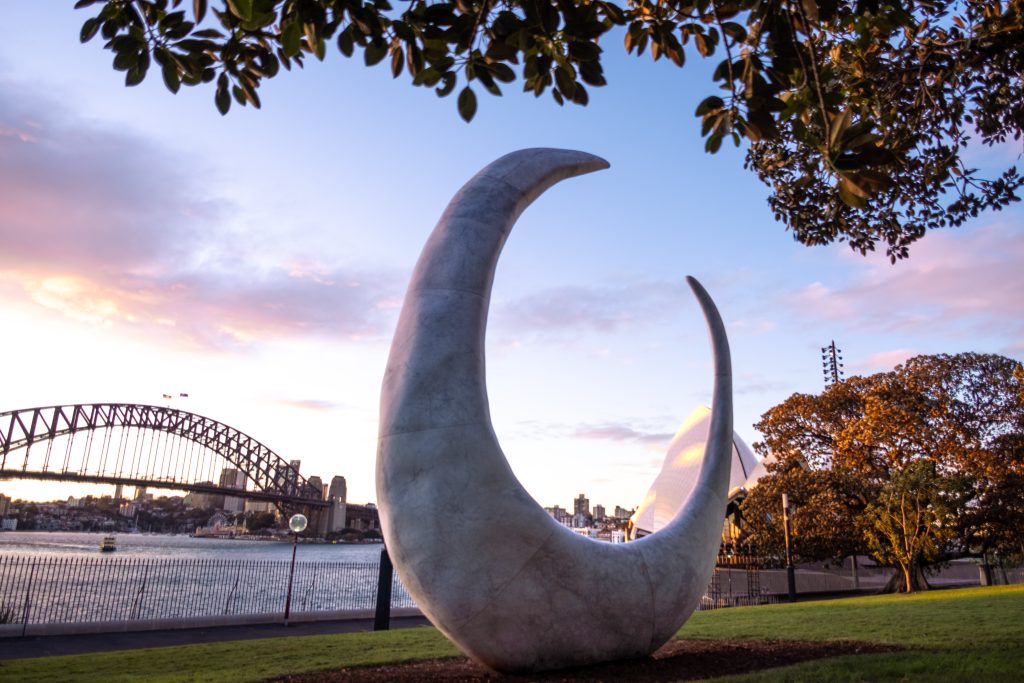
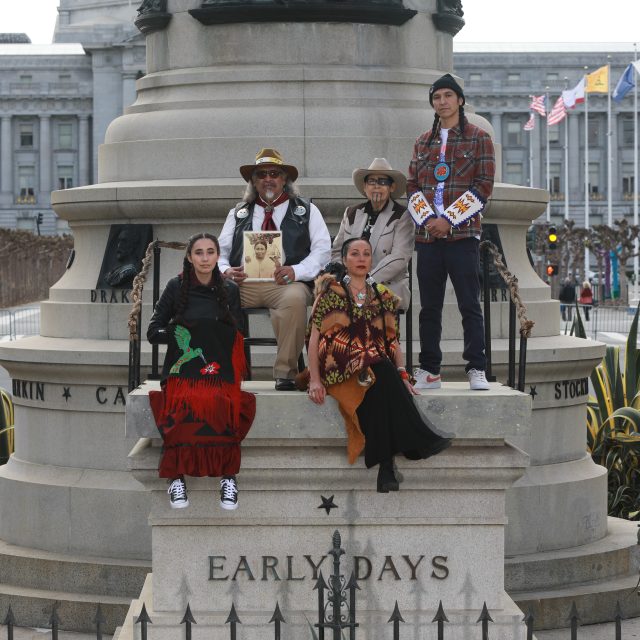
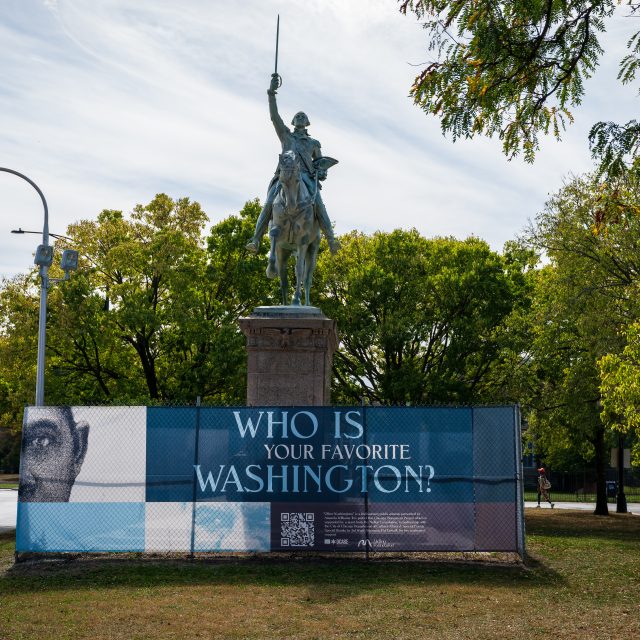
Several cities are confronting their colonial legacies through public education and community consultation. Amsterdam is undertaking extensive community engagement in both in the city and in former colonies like Suriname in the development of a new National Slavery Museum. Hamburg’s Decolonise Hamburg! strategy, co-designed with civil society, redefines the city’s relationship with its past but also promotes inclusive dialogue and forward-looking action. San Francisco’s Shaping Legacy initiative reassesses monuments and memorials to address inequities and reshape how collective memory is represented in civic spaces.

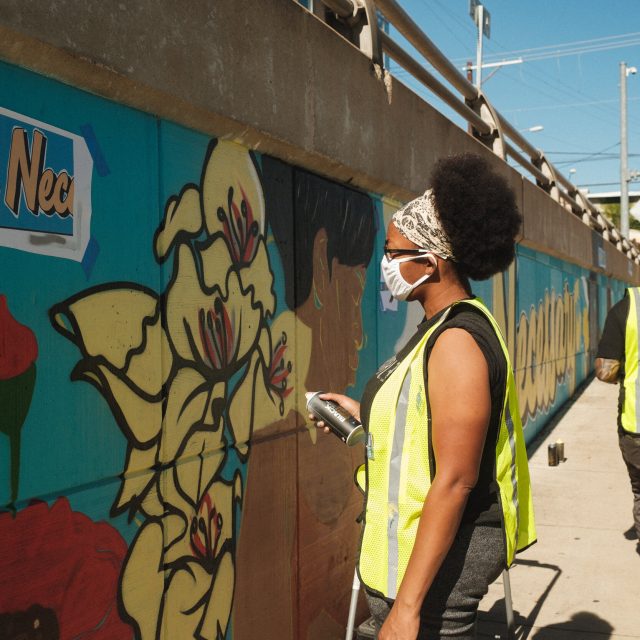
Cities are also breaking down structural barriers by empowering underrepresented groups to create public art. Los Angeles’ Public Artists in Development programme is supporting underrepresented artists through training, mentorship, and funding to complete a public art commission. Austin’s Art for All initiatives empowers unhoused individuals through paid creative work, using community-driven murals to improve public spaces, promote inclusion and connect people to social services.
Others are investing in strategies to elevate historically excluded voices. Melbourne’s longstanding Aboriginal Arts Grant has supported First Nations creatives for over 25 years, advancing equity and cultural justice for Aboriginal communities in the city.
By embedding representation and inclusion into public art and policy, cities are reshaping the public realm into a space for collective memory, cultural justice, and civic participation, ensuring communities can see their histories acknowledged and their voices reflected in everyday spaces across the city.