

Balancing resident needs with a vibrant, sustainable night time economy in Amsterdam
Amsterdam’s Implementation Agenda for Night Culture 2023–2026 is a strategic plan to strengthen the city’s night time economy through 15 targeted measures. It addresses key challenges like noise complaints,.

Data-led cultural mapping in Amsterdam
Amsterdam’s rapid population growth strained its cultural infrastructure, with unevenly distributed facilities and declining availability of affordable creative workspaces. In response, the City of Amsterdam mapped all cultural spaces.

National Slavery Museum in Amsterdam: A Model for Cultural Reconciliation and Inclusive Cultural Policy
The City of Amsterdam has played a leading role in initiating a new National Slavery Museum which is due to open in 2030. The EUR 115 million project –.

Amsterdam’s new vision for creative entrepreneurs through incubator schemes
ART-UP is a business incubator tailored for cultural entrepreneurs, helping creative small businesses to develop a plan for success and expansion, over a concentrated three-month programme.
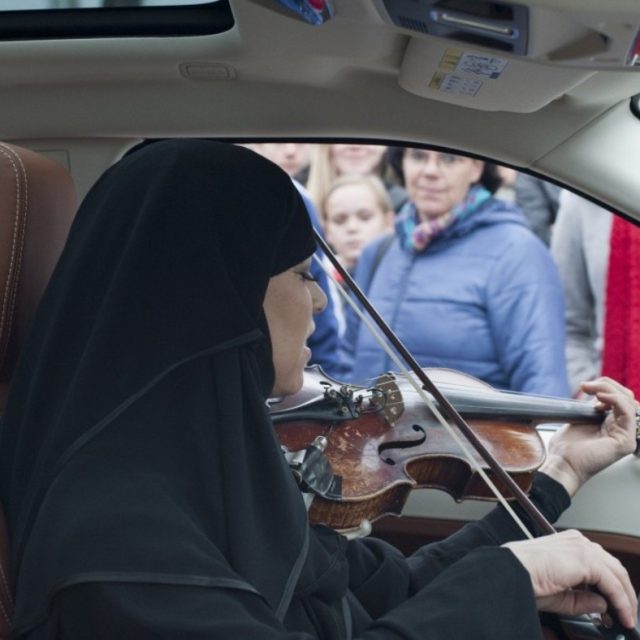
Breaking down barriers: how the ‘ACCESS’ programme helps promote culture for all
This international collaboration included included Amsterdam, Dublin, Lisbon, London, Sofia, Riga, Tallinn, and Vilnius, this network collaborated, to understand how to make cultural policymaking accessible for every citizen.
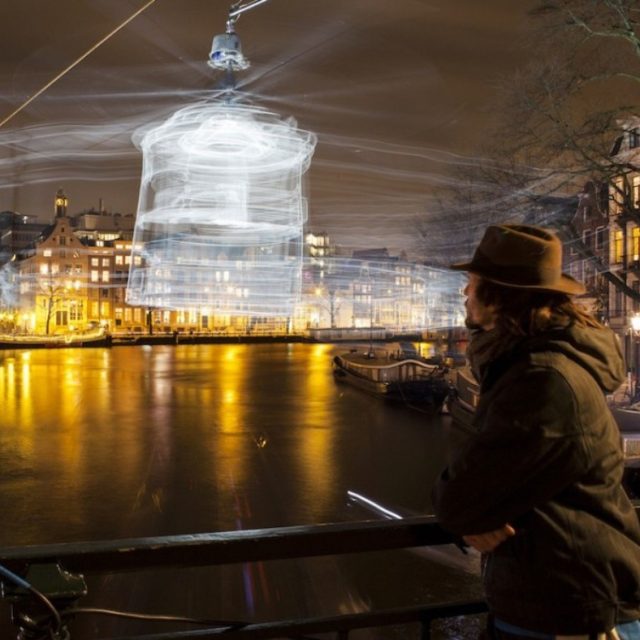
Why Amsterdam’s night-time economy needs protecting and promoting
Amsterdam has always been renowned for its nightlife, from its underground scene to world famous nightclubs, parties and festivals. The night scene has also been a place where collaboration.

Amsterdam
Over the last two decades, Amsterdam has invested extensively in cultural infrastructure. More than 25 institutions have been built, rebuilt or refurbished, including the central public library, the Rijksmuseum,.