How São Paulo’s Spcine Circuit is transforming cultural access through public cinemas
Project: Bringing cinema to every corner of the city with 32 community cinemas
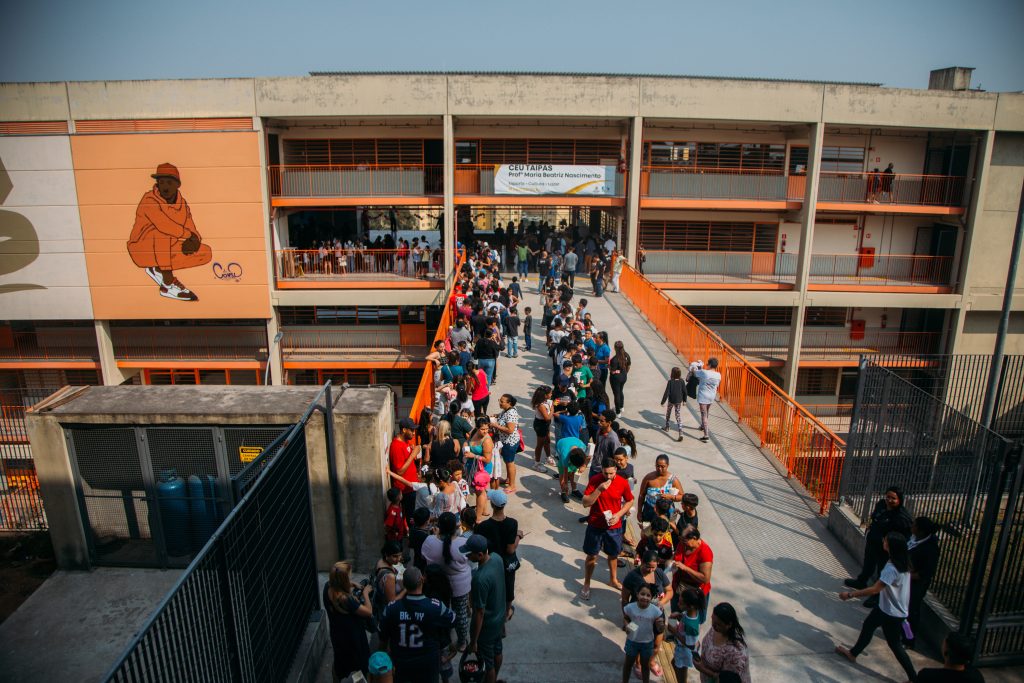
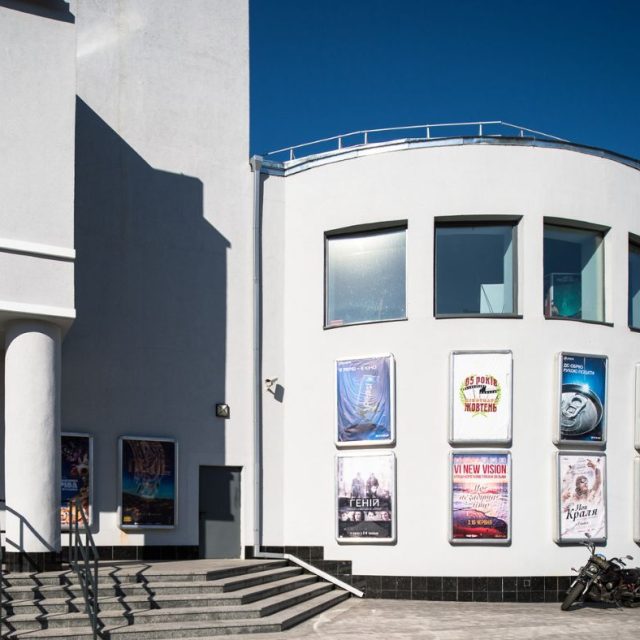
Launched in 2016, the Spcine Circuit has become one of Brazil’s most significant public cinema networks, transforming São Paulo’s cultural infrastructure and making access to film a civic right. With 32 public cinema rooms across 27 educational and cultural centres, the initiative brings free or low-cost cinema to underserved regions of the city—strengthening local identity, stimulating the audiovisual economy, and advancing cultural inclusion.
Democratising cinema access in São Paulo
The City of São Paulo launched the Spcine Circuit, a public network of cinema rooms developed by Spcine—the city’s cinema and audiovisual agency. The goal: to turn cinema into a cultural right for all Paulistanos, regardless of income or location. By integrating cinemas into public schools and cultural hubs, the Spcine Circuit connects infrastructure, education, and cultural access in a single policy.
The programme was designed to bring high-quality film programming to areas historically excluded from the commercial film circuit. Today, it comprises 32 cinemas across 27 CEUs (Unified Educational Centres) and 5 cultural centres, reaching 17 of the city’s 32 subprefectures.
It also improves the city’s cultural infrastructure, integrates cinema into urban planning, promotes access to culture as a right for all citizens, and fosters audiovisual production that boosts the local economy. By valuing cinema as cultural heritage, the Spcine Circuit attracts tourists and audiovisual investors to São Paulo peripheral regions and provides suitable spaces for the production and exhibition of audiovisual content.
Expanding infrastructure and reducing access barriers
The Spcine Circuit addresses some of São Paulo’s most persistent cultural inequalities such as the geographic distribution of cultural venues and affordability. CEU-based screenings are free, while cultural centre tickets remain low-cost. In 2024 alone, 12 new cinemas were inaugurated, demonstrating the city’s continued investment in cultural access.
Each cinema is equipped with state-of-the-art digital projection technology, and the programming spans all genres and formats, including Brazilian and international films, independent productions, and content for children and schools. Spcine collaborates closely with the city’s Secretariat of Education and Social Urbanism Project to align programming with public education goals and expand the network of cinema rooms.

Local impact and cultural transformation
The impact of the Spcine Circuit has been remarkable. Between 2016 and 2024, the network held 59,000 sessions, drawing an audience of 2.2 million people. In 2023 alone, the network saw 191,000 attendees, a 200% increase over 2022. The programme has reduced exclusion based on geography and income, while helping to develop new audiences and stimulate interest in film and audiovisual careers.
Importantly, the project has also elevated Brazilian cinema, which achieved a market share of 18.22% in Spcine screenings—far above the national average of 10.4% in the commercial circuit.
Building a sustainable, inclusive future for cinema
Spcine has ambitions to keep expanding. The project’s next phase aims to consolidate São Paulo as a global hub for audiovisual culture by supporting local production, attracting investment, and promoting cultural tourism in peripheral regions. Community participation is a continued priority, with efforts focused on audience development, inclusion, and long-term sustainability.