	---
title: Festivals & Events
type: taxonomy_archive
taxonomy: topic
slug: festivals-and-events
term_id: 359
permalink: "https://worldcitiescultureforum.com/topic/festivals-and-events/"
post_count: 36
---

# Festivals & Events

Posts in this archive: 36

- [City of Music: How Adelaide protected its live music venues through special purpose legislation ](https://worldcitiescultureforum.com/wp-content/uploads/wp-mfa-exports/city-project/city-of-music-how-adelaide-protected-its-live-music-venues-through-special-purpose-legislation.md) — The Planning, Development and Infrastructure Amendment Act 2024 is the first Australian law to formally establish a designated “live music venue area” within a city centre. This special purpose legislation was created to save a landmark live music venue – the Crown and Anchor hotel – from demolition and development. 

This case highlights the delicate balance between cultural vibrancy and urban planning. Maintaining live music spaces is not only a matter of nostalgia but an essential component of a city’s social and economic fabric.
- [Culture After Dark: Three Ways Cities Are Supercharging the Night-Time Economy](https://worldcitiescultureforum.com/wp-content/uploads/wp-mfa-exports/post/culture-after-dark-three-ways-cities-are-supercharging-the-night-time-economy.md) — Cities from Guangzhou to Toronto are increasingly placing culture at the heart of their night-time economies. Our 5th Edition World Cities Culture Report  shows that what was once an overlooked policy area is now firmly mainstream: 97% of cities are actively supporting night-time initiatives.
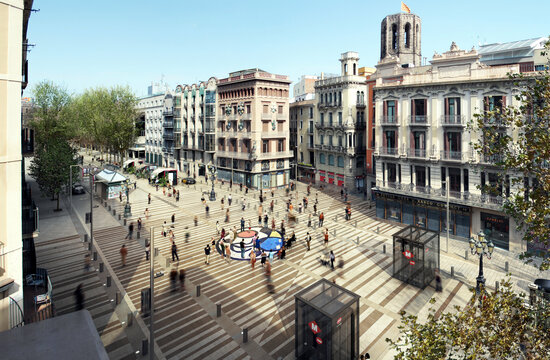
- [Cities Step Forward: How Pedestrianisation is Powering Culture in the Streets ](https://worldcitiescultureforum.com/wp-content/uploads/wp-mfa-exports/post/pedestrianisation-cultural-tool-inclusive-cities.md) — From Barcelona to Bogotá, cities are embracing the power of pedestrianisation. By turning roads into people-first spaces, they are opening streets to culture, creativity and community life
- [More Regional Trends](https://worldcitiescultureforum.com/wp-content/uploads/wp-mfa-exports/report/regional-cultural-policy-trends.md) — From Indigenous knowledge in Australasia to digital innovation in East Asia, cities are using culture to shape more inclusive, sustainable, and creative futures. Drawing on recent survey data and case study submissions from our cities, this section offers a snapshot of emerging cultural policy trends across regions.  While each region has its own distinctive priorities, common themes such as access to space, climate action, youth engagement, and equity, highlight the extent to which all major cities share similar challenges in defining tomorrow’s cultural landscape.
- [How Jakarta expanded the legacy of its 50-year-old youth theatre festival](https://worldcitiescultureforum.com/wp-content/uploads/wp-mfa-exports/city-project/canal-theatre-programme-jakarta.md) — Jakarta’s Canal programme builds on the 50-year legacy of the Jakarta Theatre Festival by offering non-competitive, experimental theatre opportunities to actors over 40. As part of the city’s inclusive cultural policy, Canal enables mature performers to explore creative expression while fostering exchange with actors from across Indonesia. The programme sustains long-term engagement in the performing arts and supports a more inclusive, age-diverse cultural landscape.
- [How night-time cultural policy can regenerate town centres](https://worldcitiescultureforum.com/wp-content/uploads/wp-mfa-exports/city-project/bromley-night-time-enterprise-zone-cultural-regeneration.md) — In 2022, Bromley became one of the first boroughs to join the Mayor of London’s Night Time Enterprise Zone programme. Using strategic cultural programming and evening activation – like Library Lates and a Winter Lights Festival – the initiative significantly reversed high street decline, boosted footfall and positioned the town centre as a safe, welcoming, and culturally vibrant destination after dark by providing experiences for all.
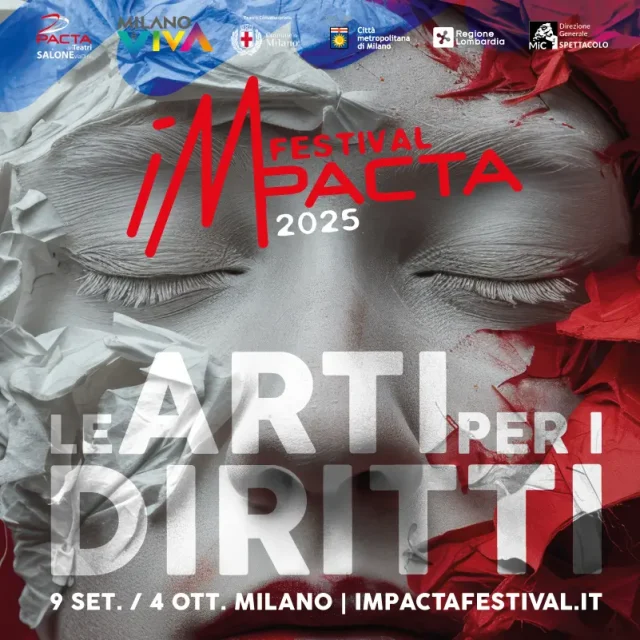
- [A Network of City Wide Festivals: Milan is alive](https://worldcitiescultureforum.com/wp-content/uploads/wp-mfa-exports/city-project/milan-is-alive.md)
- [Opening Doors: The app making Oslo’s municipal buildings accessible after-hours to activate cultural volunteering](https://worldcitiescultureforum.com/wp-content/uploads/wp-mfa-exports/city-project/oslonokkelen-after-hours-culture-app.md) — To support community life and volunteer engagement, Oslo is opening up municipal buildings through Oslo Booking and The Oslo Key – digital solutions for reserving and accessing schools and civic venues for culture and the community. The initiative addresses the growing need for free and flexible indoor spaces, removes bureaucratic barriers, and extends access beyond regular opening hours. In 2024 alone, 4.5 million hours of volunteer activity were booked at municipal venues, revitalising underused infrastructure to support inclusive cultural life citywide.
- [Catalysing Creativity: How Oslo is distributing targeted cultural funding to activate urban life and drive innovation in the arts](https://worldcitiescultureforum.com/wp-content/uploads/wp-mfa-exports/city-project/catalyzing-creativity-how-oslo-is-distributing-targeted-cultural-funding-to-activate-urban-life-and-drive-innovation-in-the-arts.md) — To strengthen cultural vibrancy and inclusivity, Oslo has expanded its municipal grant schemes, supporting grassroots creativity, public space activation, and cultural innovation. In 2025, NOK  399 million will be distributed across arts and culture, in addition to initiatives like the Bylivstilskudd urban life grants funding both large festivals and small-scale projects. Innovation grants also back experimental work, including collaborations with business and tech sectors. These schemes place culture at the centre of Oslo’s evolving urban identity
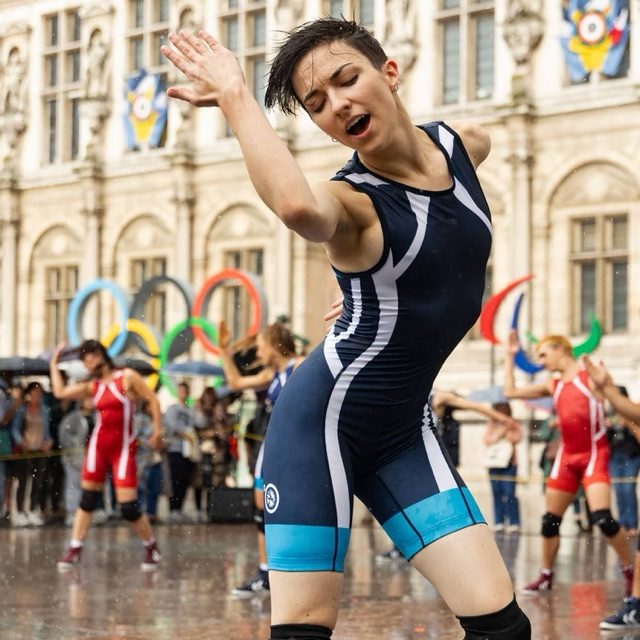
- [Cultural Olympiad: How Paris embedded art and culture into the Olympic legacy ](https://worldcitiescultureforum.com/wp-content/uploads/wp-mfa-exports/city-project/paris-2024-cultural-olympiad-cultural-policy-legacy.md) — The Paris 2024 Olympic and Paralympic Games served as a turning point for the city’s cultural strategy. The Cultural Olympiad, launched in advance of the Games, significantly expanded the presence of art in public spaces and opened new avenues for civic participation. By merging cultural practice with the spirit of sport, the city activated public space and invited Parisians into a reimagined relationship with culture.
- [Art Festival_Seoul: How Seoul unified seven seasonal festivals into a cohesive annual programme](https://worldcitiescultureforum.com/wp-content/uploads/wp-mfa-exports/city-project/art-festival-seoul.md) — Art Festival_Seoul merges seven arts festivals into a continuous seasonal format across the year, hosted in central public spaces like Nodeul Island and Seoul Plaza. With expanded programming and improved accessibility services, attendance more than doubled from 2022 to 2024. The festival supports a wider range of artists and offers citizens diverse opportunities to experience culture in everyday life, contributing to Seoul’s post-pandemic cultural renewal.
- [Stockholm’s Nobel Week Lights Winter Festival](https://worldcitiescultureforum.com/wp-content/uploads/wp-mfa-exports/city-project/stockholm-nobel-week-lights.md) — Held each December during the Nobel Prize celebrations, Nobel Week Lights invites artists to create large-scale light installations inspired by Nobel-winning discoveries. The free festival reimagines Stockholm’s public spaces during its darkest month, with artworks designed to engage all ages and backgrounds. In 2024, 1.7 million people experienced 16 installations including student works, multilingual tours, and interactive events. The festival boosts civic pride, cultural access, and Stockholm’s global visibility through light and science.
- [Culture Summer Vienna: Making summer culture accessible to all in Vienna ](https://worldcitiescultureforum.com/wp-content/uploads/wp-mfa-exports/city-project/vienna-kultursommer-wien.md) — Kultursommer Wien (‘Culture Summer Vienna’) is a city-funded open-air festival offering free, high-quality performances across Vienna’s neighbourhoods. With a EUR 4 million annual budget, it supports fair pay for artists and promotes inclusion through sign language interpreters, induction loops, and decentralised venues—particularly in outer districts. Attracting over 86,000 visitors in 2024, the festival fosters community connection and cultural diversity, becoming a summer staple that brings the city’s creative spirit into public space.
- [One Dublin, One Book brings the city together through literature](https://worldcitiescultureforum.com/wp-content/uploads/wp-mfa-exports/city-project/one-dublin-one-book-2.md) — Every April since 2005, Dublin residents have been encouraged to read the same book either written by a Dubliner or connected with the capital city, through the One Dublin, One Book campaign. To mark the 20th year of this mass cultural participation event, Dublin City Council and Dublin UNESCO City of Literature commissioned an anthology of 22 poets and writers to capture Dublin in the first quarter of the century.
- [Cultural Participation: How the London Borough of Culture made art accessible to all ](https://worldcitiescultureforum.com/wp-content/uploads/wp-mfa-exports/city-project/waltham-forest-london-borough-of-culture.md) — The Mayor’s London Borough of Culture programme offers a borough of the capital £1.35 million to stage a year of cultural initiatives and better integrate culture in their borough. Waltham Forest was the first ever London Borough of Culture in 2019. After 1,000 events that attracted 500,000 people and £4.1 million locally, the borough has created a new Creative Enterprise Zone for artists and a new Cultural Quarter for visitors.
- [Honouring the Dead: Community-led remembrance in the heart of Brussels  ](https://worldcitiescultureforum.com/wp-content/uploads/wp-mfa-exports/city-project/dia-de-muertos-in-brussels-cultural-participation-2.md) — Día de Muertos in Marolles is a community-driven festival in Brussels that blends Mexican tradition with local creativity to honour the dead through inclusive public rituals. Supported by the City of Brussels, it features workshops, concerts, and a large public altar, fostering cultural participation and social cohesion. The event exemplifies how cultural infrastructure can support access for all and strengthen collective memory through vibrant, community-led cultural exchange.
- [The Spirit of Ramadan: How the Ramadan Tent Project connects London’s communities ](https://worldcitiescultureforum.com/wp-content/uploads/wp-mfa-exports/post/the-spirit-of-ramadan-how-the-ramadan-tent-project-connects-londons-communities.md) — The Ramadan Tent Project brings people from all backgrounds together to share Iftar, the evening meal to break the fast. Established in 2013 as a student-led initiative at SOAS University of London, the project has grown into a city-wide project supported by the Mayor of London, Sadiq Khan
- [How Can Cities Scale Up Creative Approaches to Health?](https://worldcitiescultureforum.com/wp-content/uploads/wp-mfa-exports/post/how-can-cities-scale-up-creative-approaches-to-health.md) — The benefits of culture to our health are well-known. Whether through performing arts for dementia patients in Edinburgh, museum prescriptions for mental health in Montreal, or art therapy for trauma survivors in Kyiv, cities are tapping into the power of culture to tackle health challenges and improve citizen wellbeing. Beyond individual benefits, these programs build community cohesion, combat isolation, and boost urban resilience.
- [Reviving Jakarta's Traditional Folk Games:  Heritage Practices for Future Generations ](https://worldcitiescultureforum.com/wp-content/uploads/wp-mfa-exports/city-project/reviving-jakartas-traditional-folk-games-heritage-practices-for-future-generations.md) — Jakarta's culture is interwoven with the vibrant traditions of the Betawi people, natives to Jakarta from diverse ethnic backgrounds. Among these, traditional folk games and sports stand out as beloved pastimes, uniting communities and celebrating Jakarta's rich heritage.
- [CULTURAL OLYMPIAD - A TALE OF TWO CITIES](https://worldcitiescultureforum.com/wp-content/uploads/wp-mfa-exports/event/cultural-olympiad-a-tale-of-two-cities.md) — In this webinar, cultural leaders involved in organising cultural olympiads at the previous Olympics in London, Tokyo and Sydney share their learnings with future hosts – Paris 2024 and Los Angeles 2028.
- [How São Paulo’s carnival is boosting its creative economy](https://worldcitiescultureforum.com/wp-content/uploads/wp-mfa-exports/post/how-sao-paulos-carnival-is-boosting-its-creative-economy.md) — Historically, São Paulo’s identity has centred on the image of a cosmopolitan city, characterized by industry, speed, work and progress. It is still Brazil’s most vibrant financial centre, and is among the world’s most populous cities, with numerous cultural institutions and a rich architectural tradition. But the Secretariat of Culture has been leading a cultural revolution.
- [The art of participation: 'Creative December' and its evolving role in Shenzhen](https://worldcitiescultureforum.com/wp-content/uploads/wp-mfa-exports/city-project/creative-december.md) — Creative December has become an important cultural festival for Shenzhen citizens.
- [How Guangzhou Cultural Industry Fair has transformed the city's creative landscape](https://worldcitiescultureforum.com/wp-content/uploads/wp-mfa-exports/city-project/guangzhou-cultural-industry-fair.md) — Guangzhou is focused on building its international reputation and strengthening its vibrant creative industries. Since 2017, it has hosted the Guangzhou Cultural Industry Fair, integrating existing resources and promoting high quality cultural projects and products.
- ['Summer in the City of Rams': how the campaign model is bridging heritage and modern culture in Guangzhou](https://worldcitiescultureforum.com/wp-content/uploads/wp-mfa-exports/city-project/summer-in-the-city-of-rams-guangzhou-citizens-cultural-season.md) — The Guangzhou government has been keen to upgrade the cultural offer of the city, to revitalise its traditional culture, and offer more artistic activities to the general public.
- [How the festival 'Unboxed Bengalaru' will help ignite a cultural renaissance in the city](https://worldcitiescultureforum.com/wp-content/uploads/wp-mfa-exports/city-project/unbox-bengaluru-festival.md) — The Unbox Bengaluru Festival is an attempt to rally together creative and cultural institutions and unite city stakeholders (public, private and civil society).
- [Resilience rewarded: Melbourne's 'Rising Festival' shines in 2022](https://worldcitiescultureforum.com/wp-content/uploads/wp-mfa-exports/city-project/rising-festival.md) — In 2022, RISING saw its first full iteration as a nearly two-week-long festival presented across and transforming neighborhoods in the city, including Flinders Street Station, Birrarung, Chinatown, and The Wilds. The festival, presented in June, featured 225 events with 801 local and international artists who took the city as their canvas, transforming its streets, gardens, carparks, waterways, and rooftops in an explosion of culture aimed squarely at the heart of Melbourne's night-time scene.
- [How Lisbon's festival of politics bridges the gap between arts and politics](https://worldcitiescultureforum.com/wp-content/uploads/wp-mfa-exports/city-project/lisbon-festival-of-politicslisbon.md) — The Festival of Politics is a two day programme of debates, workshops, films, art, music and children’s activities, aimed at increasing political engagement, as well as encouraging social change and critical thinking.
- [Apathy to art: how Oslo's 'Keys to the City' unlocks artistic potential](https://worldcitiescultureforum.com/wp-content/uploads/wp-mfa-exports/city-project/oslo-keys-to-the-city-2.md) — Oslo’s cultural institutions offer its citizens a wide array of events and experiences, but some audience demographics rarely take advantage of them. The Keys to the City project targets groups of 15-25 year olds living in Oslo and the surrounding region, inviting them to develop a deeper relationship with cultural institutions, and get a better understanding of the range of careers in the sector.
- [Soothing with culture: Seoul's remedy for 'COVID blue'](https://worldcitiescultureforum.com/wp-content/uploads/wp-mfa-exports/city-project/seoul-soothing-with-culture.md) — To console those tired of social distancing, the Seoul Metropolitan Government launched Soothing with Culture, a programme of digital and limited in-person performances
- [Culture without boundaries: 'Virada Cultural' extends to the fringes of São Paulo](https://worldcitiescultureforum.com/wp-content/uploads/wp-mfa-exports/city-project/sao-paulo-virada-cultural.md) — The Covid-19 pandemic amplified the inequity of access to cultural provision, with the closure of venues, reduced mobility around the city, and unequal access to digital platforms. The municipality saw the return of major festivals in-person in 2022 as an opportunity to drive cultural engagement and widen access to culture in the city.
- [Taipei's art festivals reimagined: online overtures during the pandemic](https://worldcitiescultureforum.com/wp-content/uploads/wp-mfa-exports/city-project/taipei-online-festivals-plan.md) — With the arrival of pandemic lockdowns, festivals could not take place in-person, and were redeveloped in online formats.
- [Where art, politics and social change converge in Vienna: WUK performing arts](https://worldcitiescultureforum.com/wp-content/uploads/wp-mfa-exports/city-project/vienna-wuk-performing-arts.md) — WUK performing arts is a programmatic area of the WUK: a state-funded art and culture hub spanning 12,000 square metres in an ex-locomotive factory in Vienna’s eighth district, which has come to symbolise the essence of the city’s youth culture.
- [Embracing cultural diversity: how 'Enter Festival BXL' engaged citizens in Brussels](https://worldcitiescultureforum.com/wp-content/uploads/wp-mfa-exports/city-project/enter-festival-bxl.md) — As Brussels diversifies, its cultural offering diversifies too. It is important not to programme cultural work that reduces people only to their ethnic, cultural and religious background.s.
- [Beyond blockbusters: bringing cinema and harmony to Rio's favelas](https://worldcitiescultureforum.com/wp-content/uploads/wp-mfa-exports/city-project/cinecarioca-nova-brasilia.md) — Access to cinema becomes an important way of encountering other cultures and ideas, and learning more about the world.
- [Can a festival define a city's spirit? A look at the success of 'Tokyo Tokyo FESTIVAL Special 13'](https://worldcitiescultureforum.com/wp-content/uploads/wp-mfa-exports/city-project/tokyo-festival-special-13.md) — Adapted in the face of the pandemic, thirteen extraordinary projects to celebrate the Tokyo Olympic and Paralympic Games 2020.
- [Cultural players help shape Montréal's game-changing equity index](https://worldcitiescultureforum.com/wp-content/uploads/wp-mfa-exports/city-project/indice-dequite-ide-diversity-and-equity-index-tool.md) — A comprehensive review of diversity in Montreal's cultural organisations and festivals, to create a tool that provides an accurate understanding of diversity, equity and inclusion efforts by cultural organisations.