Museum Expansion: How Montréal tripled its city museum size, team and programming co-created by citizens
Project: Redefining a city museum into a civic platform for shared cultural memory
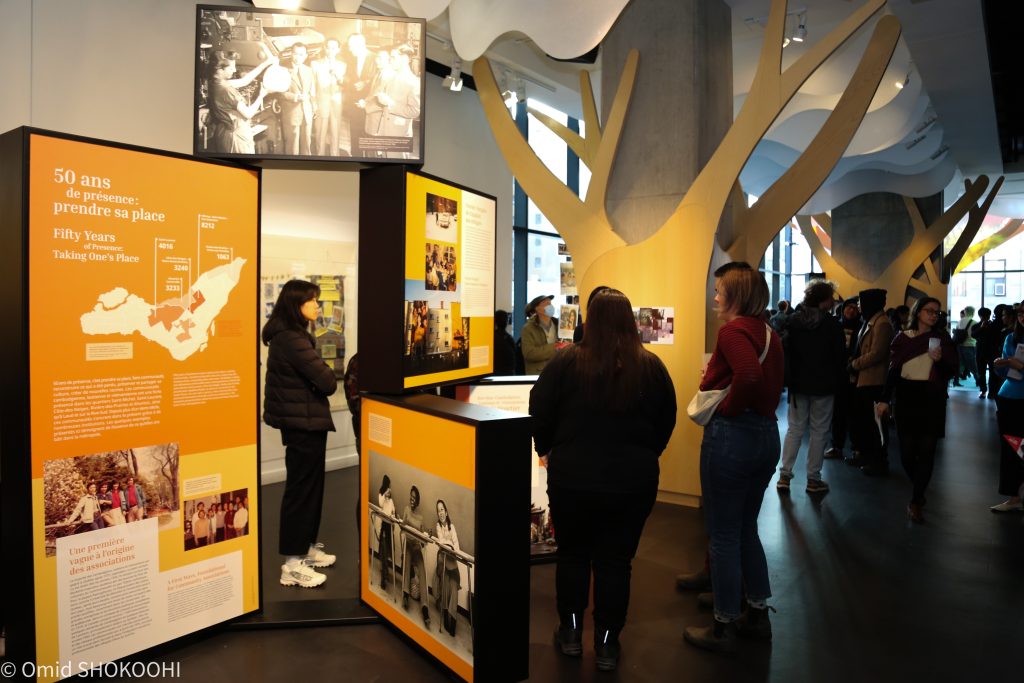
Between 2019 and 2024, Montréal transformed its city museum into MEM – Centre des Mémoires Montréalaises. Now located in the Quartier des spectacles, MEM tripled in size and was co-designed with over 75 citizens through a participatory planning process. With exhibitions co-created by community groups and inclusive governance at its core, MEM redefines the city museum as a civic space rooted in memory, diversity, and belonging.
From Centre d’histoire to MEM: a museum reimagined
In 1983, the City of Montréal opened the Centre d’histoire de Montréal to share the city’s history with residents and visitors. For decades, it operated from Old Montréal , collecting and exhibiting stories that reflected Montreal’s urban and cultural evolution. But in 2019, a bold transformation began: to move the museum into a larger, more accessible space in the Quartier des Spectacles, and expand its mission into a fully participatory institution.
By 2024, this transformation culminated in the opening of the MEM – Centre des Mémoires Montréalaises: a museum designed for, by, and with Montréalers. The move tripled the size of its space, allowing it to expand its programming, staff, and public offerings. Managers had to build a new team and manage change, implementing a work structure that fosters cross-functionality, intercollegiality, and co-creation. A comprehensive equity, diversity, and inclusion (EDI) strategy ensured that the museum team reflected the diversity of the city it serves.
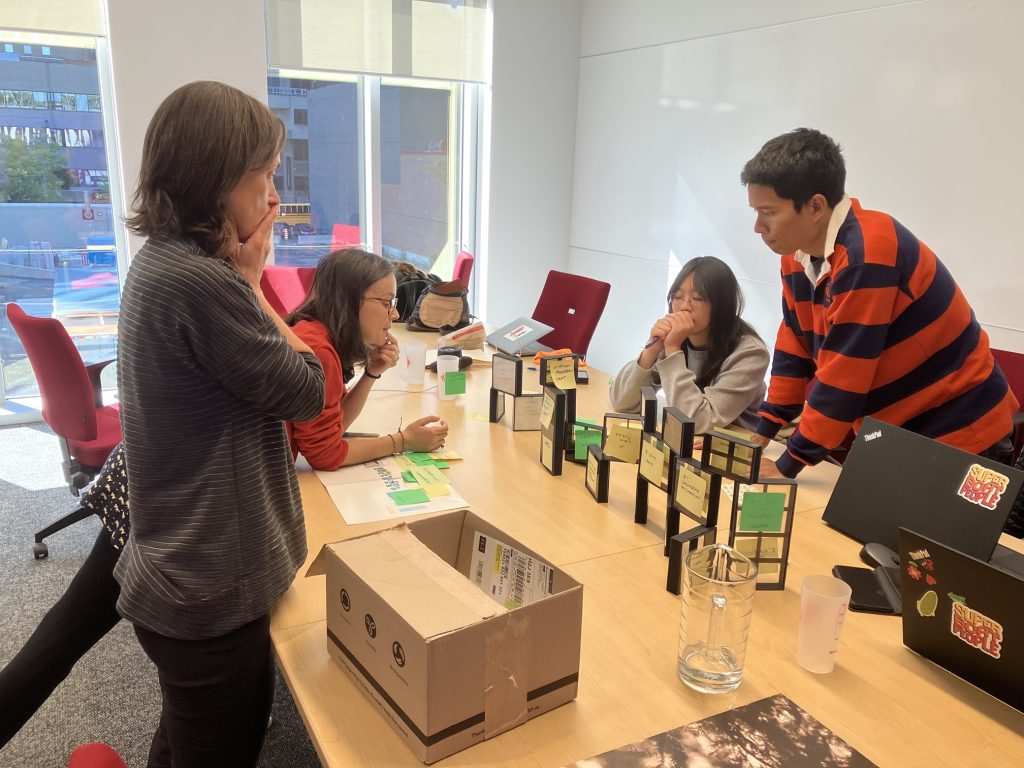
A participatory planning process with citizens
More than just a relocation, this marked the redefinition of the city museum into a civic platform for shared cultural memory. The transformation was citizen-led from the outset. Between 2019 and 2024, the museum undertook a participatory planning process that invited over 75 Montréalers to take part in co-creation committees. These citizens collaborated with museum teams, designers, and architects to shape the vision, content, and functions of the new space.
The resulting MEM includes archives, a recording studio, educational and rental rooms, a multipurpose hall, and a boutique café. But beyond infrastructure, the museum’s identity is shaped by shared governance and equity-focused processes.
Co-created exhibitions and inclusive programming
Today, MEM’s exhibitions operate along a spectrum of public involvement—from consultation to full co-curation. A dedicated gallery space features projects co-designed with citizen and community groups, with particular attention to voices historically excluded from mainstream cultural institutions. Through these partnerships, underrepresented communities become active participants in defining public memory and heritage.
This collaborative model has transformed the visitor experience. Visitors report feeling personally connected to the stories told, describing MEM as a space that resonates deeply with their sense of identity and belonging. Notably, the museum has drawn high engagement from youth aged 18–35, a demographic often underrepresented in museums.
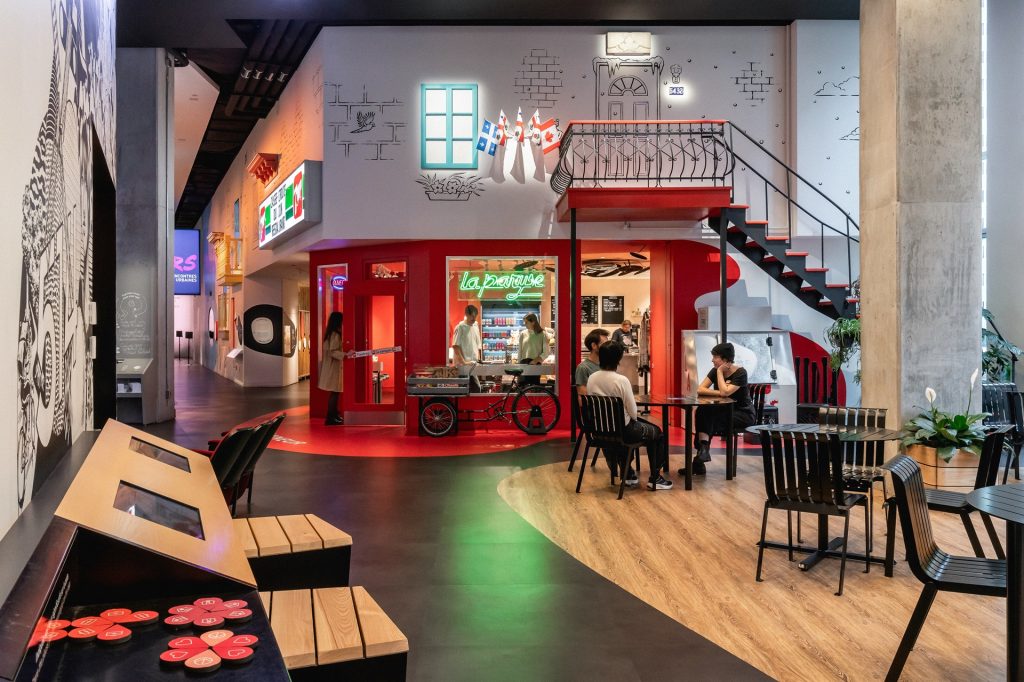
A museum of memory, identity, and civic engagement
By embedding citizen collaboration at every level—design, governance, and programming – MEM has redefined what a city museum can be. It is now a civic space where history is built collectively and cultural policy is lived in practice. The transformation of MEM stands as a model for inclusive, participatory urban cultural infrastructure.