Communities: Using a maritime museum to drive local economic development in Jakarta
Project: Empowering residents to overcome social and economic challenges through culture
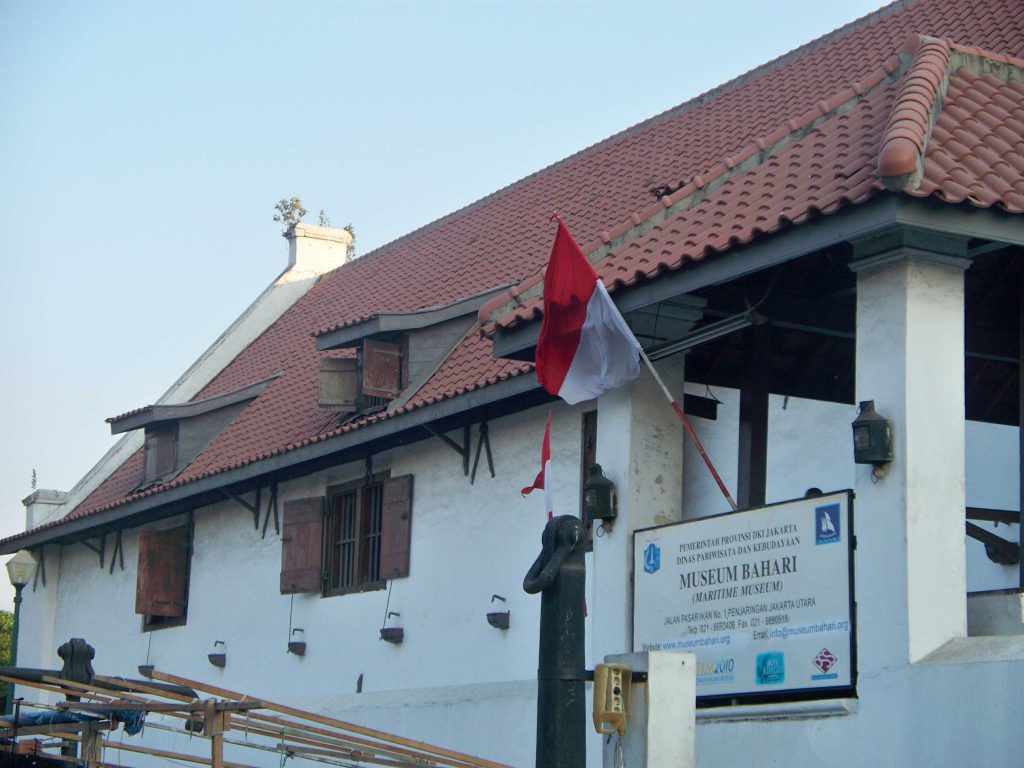
Jakarta’s Museum for Local Economic Development for Social Changes (MLEADS) is a pioneering programme at Museum Bahari Jakarta, turning heritage into a tool for social and economic development. Through creative training, youth engagement, and cultural activities, the programme supports the Penjaringan community while aligning with Sustainable Development Goals. Backed by government and private partners, MLEADS empowers residents and repositions the museum as a living resource for inclusive urban development.
Rethinking museums as local economic engines
In collaboration with IHH Creative Hub, Museum Bahari is leading a bold experiment in cultural policy: using a maritime heritage museum as an anchor for community empowerment and economic development. The initiative, MLEADS, aligns with ICOM-OECD guidance and the UN Sustainable Development Goals (SDGs), positioning the museum not just as a site of memory – but as a platform for future-making.
By reframing the museum’s mission to actively engage with social and economic challenges in Penjaringan, a coastal subdistrict in North Jakarta, the project received strategic support from the North Jakarta Social Service Department and creative businesses, including Ichinogami Papercraft. This partnership structure underscores the museum’s growing role as a civic connector between cultural institutions and local development goals.
Meeting community needs through creative training
Penjaringan faces acute social challenges: many young people are vulnerable to gang activity and drug abuse due to limited access to decent employment or education. MLEADS began with a detailed root-cause and needs analysis involving local stakeholders. The findings shaped a hands-on training programme in creative product design, museum tour guiding, and heritage skills – each tailored to be both economically viable and culturally grounded.
The flagship trial training – in partnership with Ichinogami Papercraft – taught residents how to build shelves from corrugated cardboard using sustainable, low-cost materials. This practical focus led to strong community participation, with 50 local youth and adults attending between July and October 2024. Feedback highlighted a demand for deeper, more commercial-ready training – laying the foundation for professional development tracks in the next phase.
Creating inclusive public space through culture
Beyond training, MLEADS reimagined Museum Bahari as a vibrant social space. Every week, the museum hosts sports, fashion showcases, culinary events, art festivals, and exhibitions, offering safe, inclusive opportunities for local youth to connect and express themselves.
This consistent activation of public space has strengthened the museum’s presence as a cultural hub, attracting not just new audiences but also potential partners interested in scalable, community-based impact. Collaboration with Karang Taruna Penjaringan, a local youth organisation, further embedded the programme into the social fabric of the neighbourhood.
Museums as partners in policy
MLEADS demonstrates that museums can be strategic assets for inclusive urban development. By combining heritage, education, and local economic needs, Museum Bahari now serves as a model for how cultural institutions can drive policy-aligned social innovation. Outcomes from the first year – cross-sector partnerships, youth engagement, and increased skills – are now shaping MLEADS Phase 2, which will expand training, deepen networks, and amplify impact.