How can world cities future-proof the creative economy?
A spotlight on Boston and São Paulo’s Leadership Exchange – by John Newbigin, World Cities Culture Forum Associate
When the world of work is being turned upside down by AI and there are dire predictions about which jobs are safe and which jobs are not, to talk about ‘future-proofing’ any industry, let alone the jobs that go with it, sounds brave, and maybe even a bit crazy. But that’s exactly what two of World Cities Culture Forum’s partner cities are about to do in an intensive four-day exchange of ideas, policies and future plans. To raise the stakes even higher, they will be focusing on their creative industries, a sector that is already highly dependent on AI, is very volatile despite its size and growth, and which is one of the most labour intensive sectors of the world economy – the UN estimates it contributes about 3% of global GDP but provides 6% of global employment; – in other words, it’s a people business – but will it continue to be?
Almost 50% of Boston’s creative industries are enabled by technology, from architecture and digital design to media and publishing.
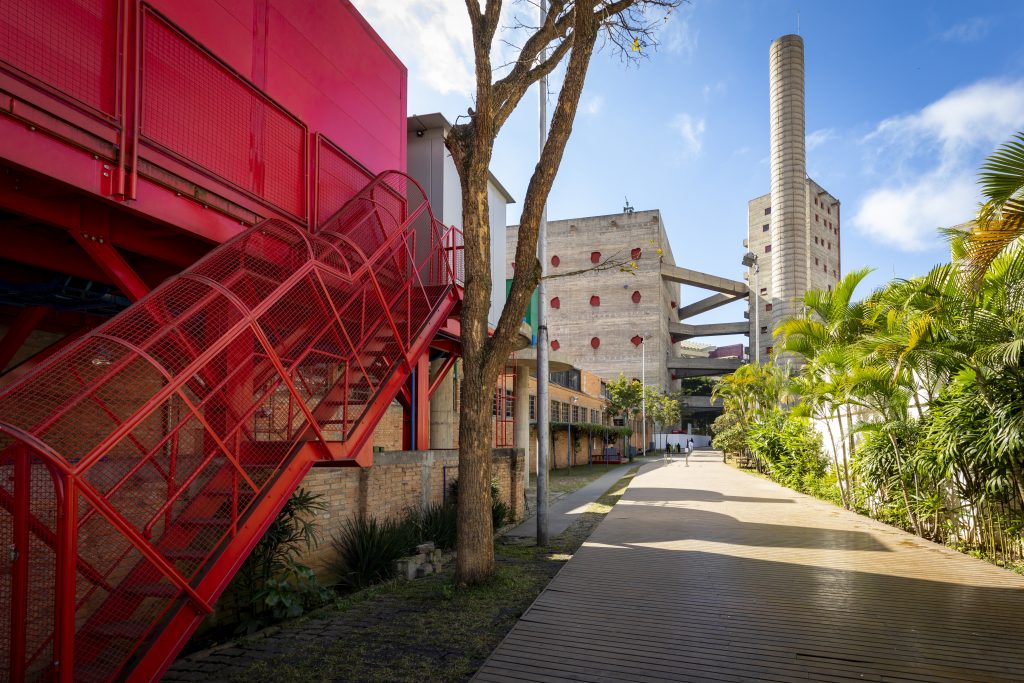
The two cities are São Paulo, Brazil’s industrial and financial powerhouse and the biggest urban centre in all Latin America – a city that committed $146.4 million in public funding to culture and the creative economy in 2025 alone – and Boston, in the United States, a city with one of the world’s greatest concentrations of hi-end creative tech businesses and universities (and, incidentally, a very large Brazilian community). Almost 50% of Boston’s creative industries are enabled by technology, from architecture and digital design to media and publishing. What the two cities share is a determination to develop their tech-based creative industries as essential drivers of their wider economies, contributing to the vibrancy of city life and providing fulfilling career opportunities for as many citizens as possible; as one of World Cities Culture Forum’s many city-to-city Leadership Exchanges this is not just about the economy – it’s also about equity, inclusion and the quality of life.
Uncertainty in the global economy and a growing crisis of youth unemployment in many countries make this a project of vital concern and interest to cities everywhere, especially as the tech-dependent creative industries such as films, games, music, fashion, design, architecture and software development carry the dreams of more young people than any other kind of employment. Tackling the question of ‘future-proofing’ them for jobs could not be more important, or more challenging. The creative industries, with their intimate connection with digital technologies, are constantly evolving new products and services and that, in turn, requires a constant flow of new skills, so building closer synergies with universities, research institutes and skills providers will be at the heart of this exchange programme.
It’s a sector that’s overwhelmingly driven by micro-business and freelancers, and it’s difficult for small companies to raise finance or for gig workers to enjoy any sense of social protection in the form of unemployment pay or pensions; – almost ten million creative workers found themselves unsupported and at risk when the global economy was shut down by the Covid pandemic. How can responsible city administrations help safeguard against that happening again?
Another feature of much of the creative economy is that it’s place-based; – it’s rooted in culture and that means it reflects the culture and traditions of where it’s made and who makes it. Think of Brazil’s Oscar-winning masterpiece of last year “I’m still here” – a film about a very specific place and time, but with universal appeal – the title says it all. It’s a quality both cities have set out to nurture and protect.
In São Paulo, the Programa para a Valorização de Iniciativas Culturais (VAI) has over twenty years become a cornerstone of community-led creative development, funding more than 3,200 cultural projects by low-income young people and collectives in the city’s peripheral neighbourhoods. By democratising access to funding and addressing structural inequalities in the cultural landscape, VAI demonstrates how a city can actively shape who gets to participate in the creative economy – not just who benefits from it.
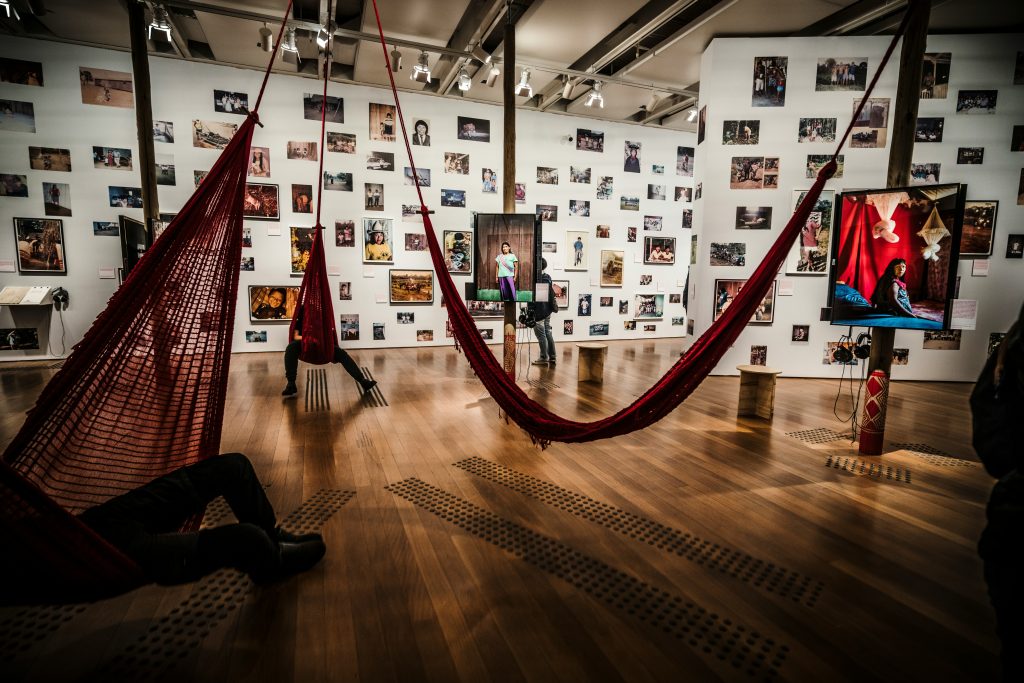
Boston is grappling with a different but related challenge. Since the pandemic, rising office and retail vacancies in Downtown Boston have left significant space underutilised. Rather than see this as a problem, the city is turning it into an opportunity: a new initiative led by the Mayor’s Office of Arts and Culture is actively bringing creative enterprises into the city centre, transforming vacant spaces into affordable studios, recording spaces, performance venues and galleries. Inspired by London’s Creative Enterprise Zones it’s an approach that simultaneously revitalises a neighbourhood, nurtures creative talent, and reinforces the city’s cultural identity.
What else can cities be doing to build a sustainable and critical mass of creative entrepreneurship and creative thinking that not only underpins prosperity but shapes the distinctive identity and reputation of the city, in the eyes of its citizens, and in the eyes of the rest of the world?
São Paulo and Boston are both cities that project a strong and distinctive image of themselves to the rest of the world. They may be very different in scale and very different in the assets and challenges they each have, but the issue they’re addressing here is one that concerns them both, and almost every other major city in the world. The power of the Leadership Exchange Programme is that it brings different perspectives and different resources to bear on a common problem and, in that sense, it goes to the heart of what the creative economy is about – bringing together a diversity of skills, experience and perspectives to stimulate the imagination and develop innovative responses to new challenges.