
Arts, technology, and education drive innovation in Boston
The city is home to world-class universities, vibrant public art and architecture, and pioneering civic institutions
Cultural Heritage

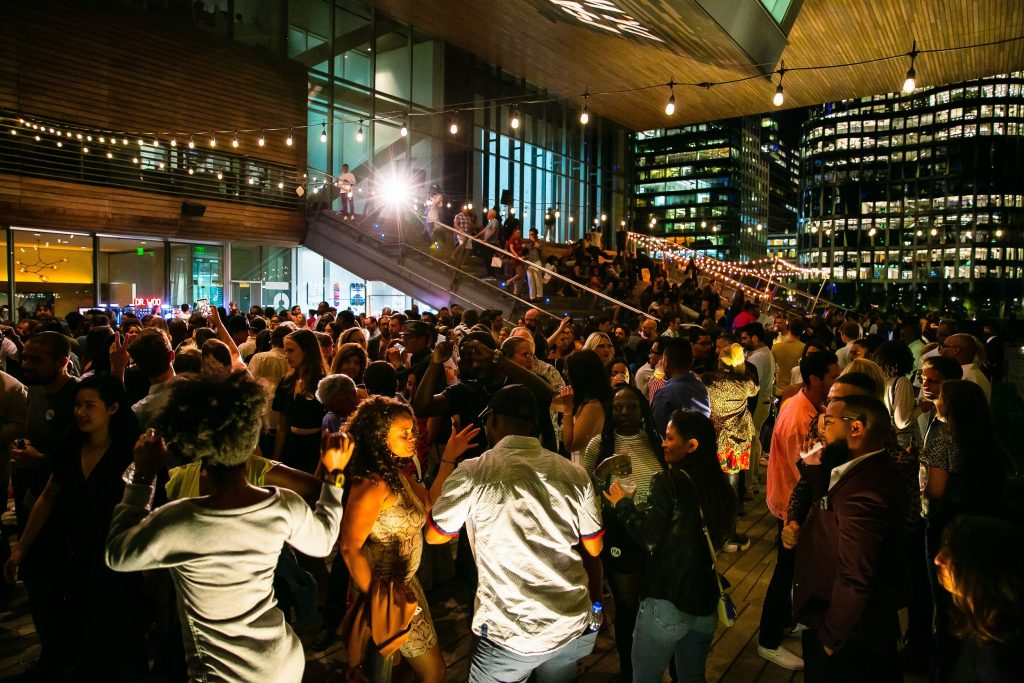
Boston has a history of developing a series of civic firsts, bringing the United States its first public park, public schools, and public libraries. This civic tradition continues through the City of Boston’s commitment to integrating arts and culture into the public realm and fostering citizen participation.
Boston’s Public Art Triennial was launched in 2025 with a mission to bring more world-class art into public spaces in the city, featuring over 21 installations across six neighborhoods. In Boston, they think of public art as public infrastructure.
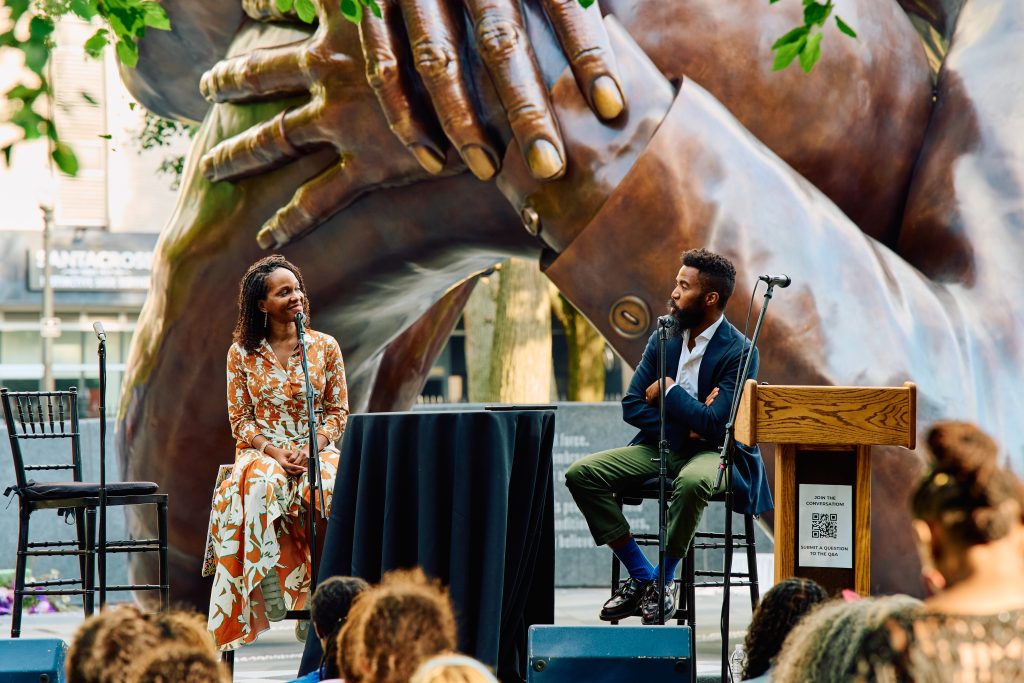
Innovation has always run through the city’s cultural history – from the invention of the disco ball to pioneering projects that fuse arts and technology. Today, Boston is recognised as the sneaker design capital of the world, with New Balance, Puma, Reebok and Converse calling Boston home. Boston also hosts The Footwear Collective, a research center looking to embed circular economy principles within the sneaker design and manufacturing community.
Boston’s diversity is a core part of the city – almost 40% of Bostonians speak a language other than English at home and 200,000 of its residents are immigrants. This diversity fuels artistic expression, enriches community life, and contributes to Boston’s status as a global leader in education, healthcare, innovation, and the arts.

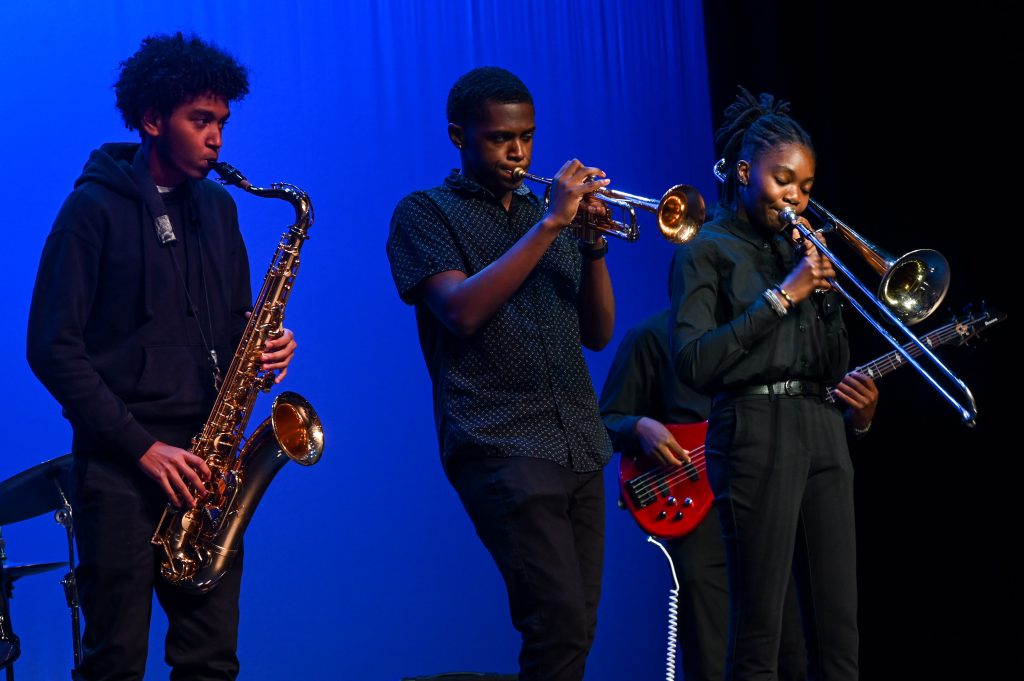
As a city of knowledge and education, Boston is home to MassArt, the United States’ only publicly funded art school, as well as other institutions of creative excellence including Emerson College, Wentworth Institute of Technology, Berklee College of Music, and Harvard University. Boston also supports the next generation of artists through Boston Arts Academy, a public school dedicated to nurturing youth talent in visual arts, music, theatre, and dance. The City is also home to iconic global cultural institutions like the Museum of Fine Arts, the Boston Symphony Orchestra, the Isabella Stewart Gardner Museum, and the Institute of Contemporary Art.
With 70,000 jobs sustained by the Creative Economy, Boston is a city of thinkers, writers, innovators, producing the ideas that everyone else can apply. It is a city of immaterial and material creative production.
Embracing Change
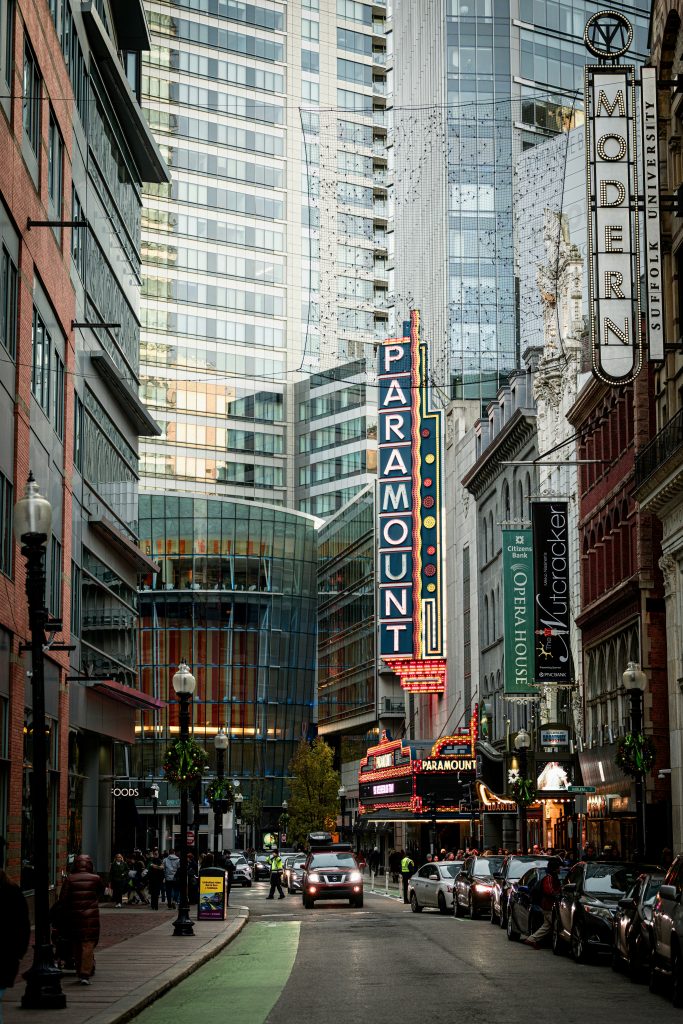
City initiatives include partnerships with the Downtown Boston Alliance and real estate developers to secure space for creative enterprise. The Un-monument Public Art program is reshaping Boston’s commemorative landscape, supporting community-based arts organizations to create more inclusive and representative public artworks.
The city is also proactively working with arts organizations to develop future-proof operational models that ensure sustainability and long-term cultural impact for future generations. This is a moment when the city and its partners are finding new ways to work together. Like many other cities, Boston is responding to economic and workforce shifts by developing new models and governance structures to sustain its creative sector. Recent data indicates that almost 50% of Boston’s creative industries are increasingly enabled by technology, from architecture and digital design to media and publishing. Efforts are underway to foster continued growth.
The city is also proactively working with arts organizations to develop future-proof operational models that ensure sustainability and long-term cultural impact for future generations.
Role as Policymaker
Cultural Policy in Boston is developed by the Mayor’s Office of Arts and Culture in collaboration with other city departments such as Planning and Economic Opportunity & Inclusion.
The Mayor’s Office of Arts and Culture (MOAC) is committed to ensuring that all Boston residents—regardless of background, income, or neighborhood—have access to and can participate in arts and culture as a part of daily life.
Their vision is for a vibrant, inclusive cultural ecosystem: one where artists and creative workers thrive, where creative spaces are protected and expanded, and where Boston’s cultural energy is both a point of civic pride and international recognition.
Through grantmaking, public art, cultural infrastructure investment, and cross-sector partnerships, the Mayor’s Office supports a cultural sector that is inclusive, resilient, and forward-thinking.
The Mayor’s Office of Arts & Culture is also developing research to support the development of a Cultural Infrastructure & Planning Framework for Boston.
Additionally, Boston’s Art Commission was established in 1890 and its independent commissioners support the care of our public art collection with artworks that exist now and supporting artworks that will be commissioned and created in the future.

The Future
As culture, the economy, and society continue to shift, the City of Boston is actively rethinking the role of municipal government in arts and culture. This is a pivotal moment to reconstruct missions, narratives, and priorities—and to hardwire arts and culture into the fabric of the city, for all.
Boston will continue to develop policies and protocols to ensure equitable investment in communities that have been historically underserved. In addition, new mechanisms and governance models are being developed to support more stable, long-term funding for the arts sector—bringing Boston into alignment with other major U.S. cities.
The Mayor’s Office of Arts and Culture (MOAC) is leveraging its convening power to broker cross-sector partnerships across the city, enabling the arts and culture sector to collaborate on shared challenges. These include increasing access to culture, expanding the creative economy, and advancing the role of the arts in Boston’s transition to net zero emissions, in support of the Mayor’s Green New Deal.
Recognizing the urgent need for affordable creative space, the City is advancing an innovative partnership with the Boston Housing Authority to co-locate a new music rehearsal space within an affordable housing complex—offering a new model for integrating culture and community development.
