Prescribing Culture for Health and Wellbeing
Based on insights from the World Cities Culture Report Survey and City Projects
Cities are increasingly recognising the role of culture to support public health and wellbeing. Across our network, cities are expanding the scope of culture programmes that address health challenges, reduce isolation and improve quality of life. Although still an emerging area of policy, momentum is growing – driven by a deeper understanding of culture’s power to shape healthy and resilient communities.
From Helsinki to Tokyo and São Paulo, 64% of our cities are already supporting or actively developing cultural initiatives to improve wellbeing for their citizens, with ten cities identifying health as one of the top five city-wide priorities.
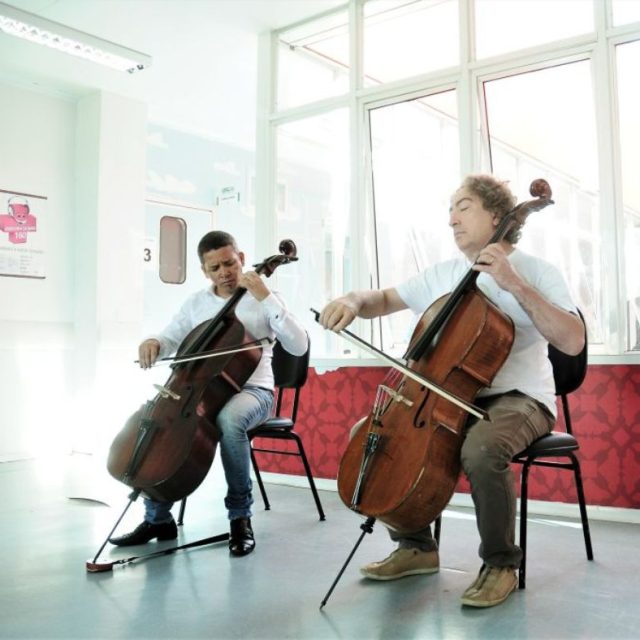
Some cities are embedding culture directly into health systems through engagement with the arts. Brussels and Montréal have introduced ‘social prescribing’ where doctors prescribe museum visits to improve mental wellbeing. London is increasing data collection on creative health to build the evidence base for policy and investment. International partnerships like the Jameel Arts and Health Lab are scaling this work through Healing Arts initiatives, including Healing Arts Scotland 2024, and ongoing programmes in cities like Barcelona and New York. In Brasília, the Claudio Santoro National Theatre Symphonic Orchestra has delivered orchestral and small ensemble performances across every public hospital in the city, uplifting patients and staff in the process and establishing strong collaboration between the city’s health and culture departments.

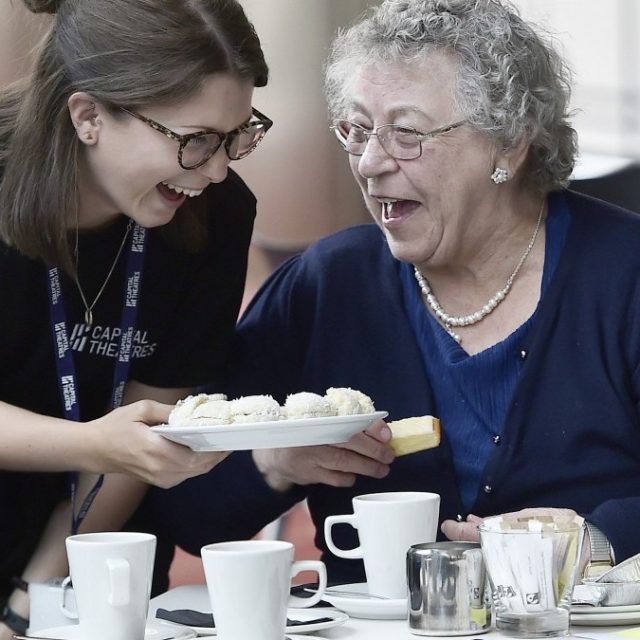
Targeted creative health interventions and partnerships are improving the lives of older citizens. In Edinburgh the Dementia-Friendly Communities Project is making performing arts and theatre more accessible and inclusive for people living with dementia.
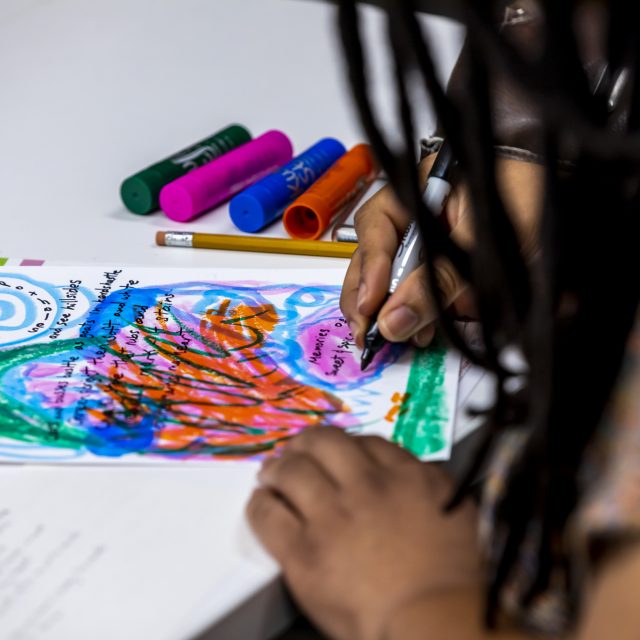
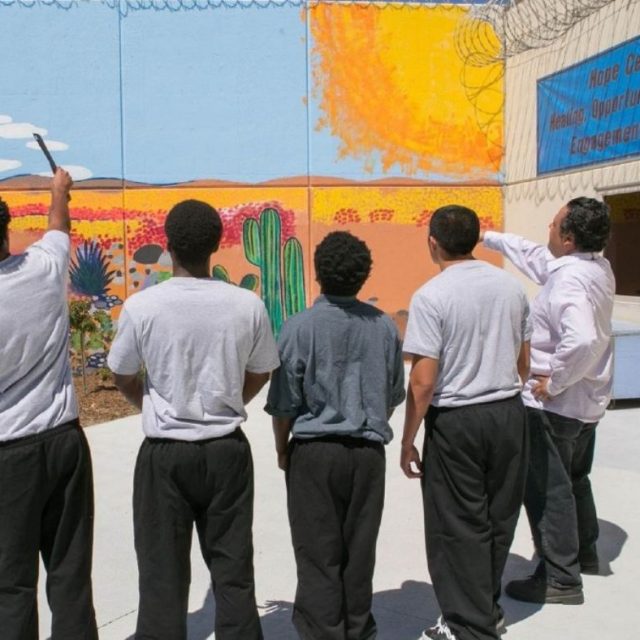
More than 40% of cities are using arts-based approaches to support the wellbeing of young people, exploring creative health initiatives such as art therapy, social prescribing and mental health support through the arts. From Stockholm’s social dance programme supporting young girls’ mental health, to Los Angeles’ programme of arts and creative activities for young people in state systems including welfare, justice or foster care to support their mental health and wellbeing. In Kyiv, art therapy programmes help young people and communities aid recovery of trauma caused by war.
Cities are also looking at the wellbeing and health of cultural workers. In Jakarta, new employment policies are directly supporting the wellbeing of cultural practitioners in the city, many of whom are freelancers, by giving them access to Indonesia’s public health and social security systems. Similarly, Warsaw’s Programme for Strengthening Employees of Cultural Centres supports the wellbeing and professional growth of cultural workers through training, mentoring and psychological support.
Engagement with cultural and creative activities is a powerful tool for improving health and wellbeing. Over half of our cities report collaboration between cultural and health departments. Yet, most interventions remain small-scale or pilot-based. The opportunity now is for cities to move beyond short-term initiatives and embed culture as a core, long-term component of health and wellbeing policies.