
How Warsaw is strengthening employees of cultural centres
Project: A professional development programme supporting workers in Warsaw’s cultural institutions
Culture can only support communities when it is strong and resilient itself. In Warsaw, the sustainability of cultural institutions depends on the strength of their staff. Recognising this, the City of Warsaw launched the Programme for Strengthening Employees of Cultural Centres, designed to enhance professional competencies, foster psychological resilience, and build collaborative networks among cultural workers. By investing in the people who drive cultural life, the city strengthens its cultural ecosystem and ensures long-term vibrancy.
Supporting professional development and resilience of cultural workers
Employees of cultural centres face complex and evolving challenges. The dynamic nature of cultural work requires continuous professional development, strong communication skills, and strategies to prevent occupational burnout. Staff must balance technical expertise with soft skills while adapting to shifting cultural demands and community needs.
Another major challenge lies in building collaborative environments across diverse institutions. Without shared resources and best practices, cultural centres risk working in silos, limiting their impact. To respond to these issues, Warsaw identified the need for structured support mechanisms tailored to the realities of cultural sector employees.
Implemented by the Staromiejski Dom Kultury (Old Town Cultural Centre) and financed by the City of Warsaw, the programme offers a comprehensive suite of initiatives targeting both individual and collective needs.
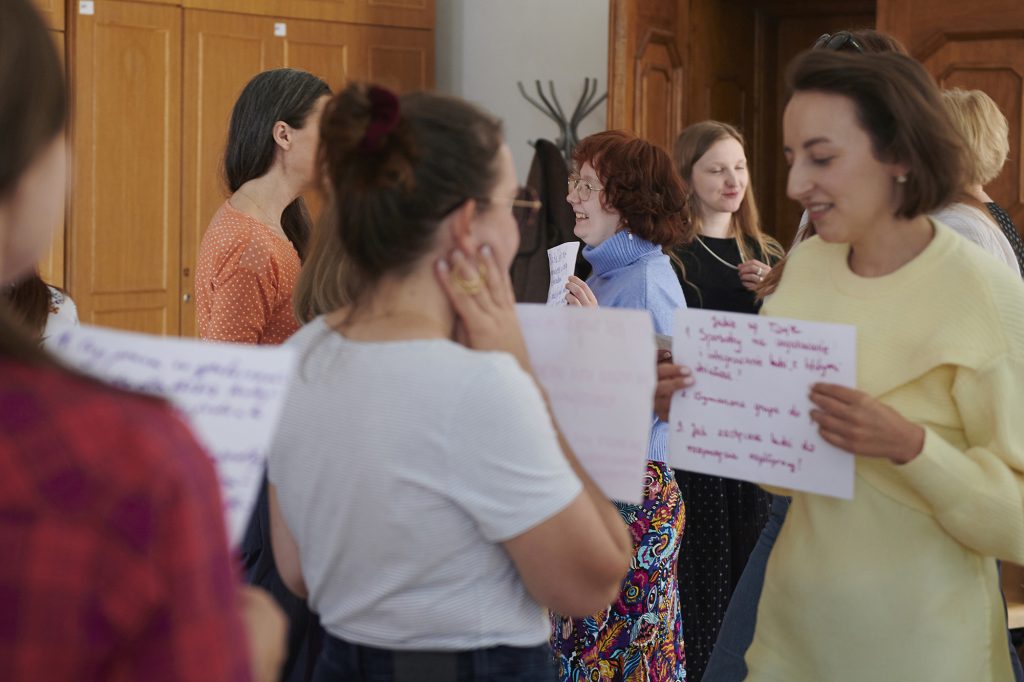
Competency workshops expand technical knowledge, build soft skills, and encourage peer learning across district cultural centres. Topics are selected annually based on staff input and diagnostic evaluations, ensuring relevance and responsiveness.
Networking activities create safe and inclusive spaces for staff to connect, share experiences, and form partnerships. Study visits, roundtable discussions, and informal exchanges strengthen the cultural workforce through mutual integration and resource sharing.
Supervision sessions provide structured opportunities for teams to reflect on communication, discuss challenges, and foster healthier work cultures. Unlike institutional evaluations, these sessions focus on interpersonal dynamics within teams.
Tutoring processes bring personalised support, tailoring professional development to individual work environments. This ensures staff training is not only theoretical but also practically embedded in daily cultural work.
Responding to the emotional demands of the profession, the programme offers free counselling and flexibility training with licensed specialists for staff. By prioritising mental health, the programme safeguards against burnout while enhancing overall well-being.

Strengthening Warsaw’s cultural future
Qualitative feedback reveals staff have improved their technical and soft skills, leading to more effective project management and deeper audience engagement. Networking activities have cultivated a supportive community across cultural centres, while supervision sessions have strengthened communication and conflict resolution within teams.
Perhaps most importantly, access to psychological consultations has given employees tools to manage stress, improving job satisfaction and long-term sustainability in the sector. These outcomes directly align with policy priorities of enhancing cultural participation, fostering community engagement, and safeguarding the workforce that makes culture thrive.
By investing in its cultural workers, Warsaw demonstrates how cultural policy can extend beyond programming to support the human foundation of culture itself. The program shows that strengthening people is key to building strong institutions, resilient communities, and a vibrant urban cultural landscape.