Cities Step Forward: How Pedestrianisation is Powering Culture in the Streets
Blog by Hannah Reid, Communications & Content Intern at World Cities Culture Forum
From Barcelona to Bogotá, cities are embracing the power of pedestrianisation. By turning roads into people-first spaces, they are opening streets to culture, creativity and community life. What began as a response to congestion and pollution has evolved into a global cities movement to reclaim public space for art, leisure and shared identity.
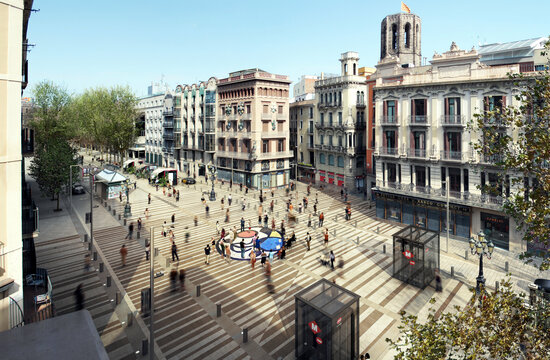
Barcelona’s transformation of La Rambla demonstrates the cultural impact of walkable streets. Once dominated by traffic, the city’s famous boulevard now thrives as a place for public life and artistic expression. Municipal data show that over half of Barcelona’s mobility space is now dedicated to pedestrians – a major shift toward sustainable urban living.
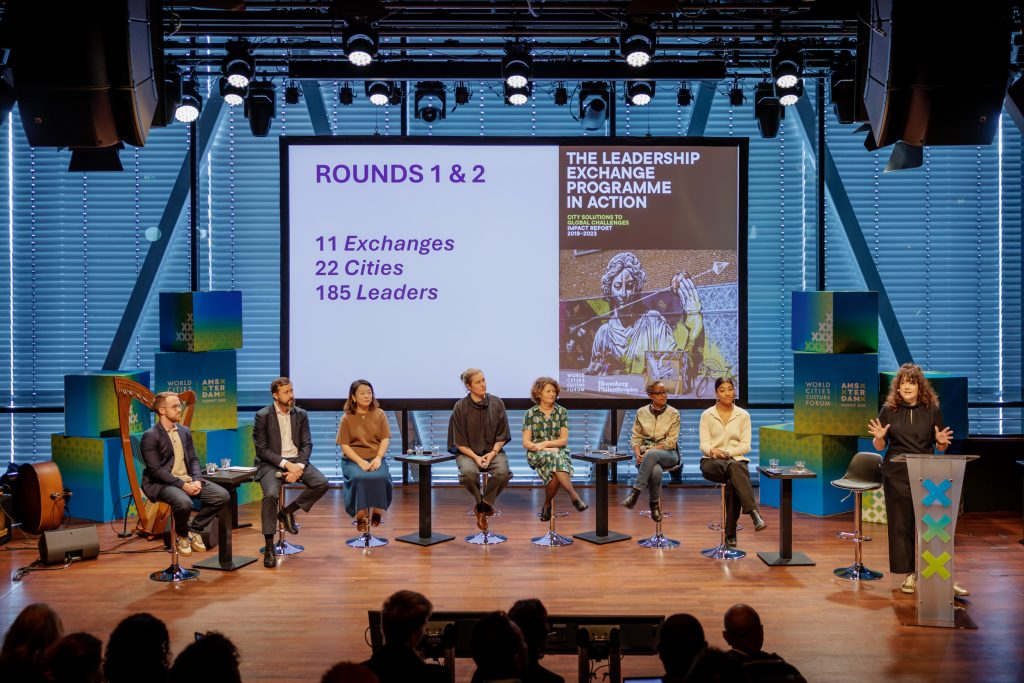
The city is sharing this experience with London through the World Cities Culture Forum’s Leadership Exchange Programme, through a dedicated study visit exchange connecting the two cities to explore how pedestrian zones can spark creativity.
Since 2018, the Leadership Exchange Programme supported by Bloomberg Philanthropies has brought together 185 leaders from 22 cities, helping accelerate initiatives like the Creative Land Trusts and inspiring 82% of participants to develop new ideas for their own cities. Now in its third round, the programme involves 19 cities addressing issues from night-time economies and film culture to public art and pedestrianisation.
Oxford Street: From Traffic to Culture
London’s ambition to reimagine Oxford Street mirrors Barcelona’s journey. Backed by the Mayor of London and Westminster City Council, the city aims to transform one of the world’s busiest retail corridors into a walkable cultural hub.
A glimpse of this future came on 21 September 2025, when the Mayor’s landmark “This is Oxford Street” event turned half a mile—from Orchard Street to Oxford Circus—into a car-free celebration of fashion, sport and heritage. From midday to 8 p.m., Londoners and visitors roamed freely along the iconic street. A survey by the New West End Company found 67% of shops reported equal or higher sales than a typical Sunday, proving that fewer cars can mean stronger commerce.
Encouraged by this success, the Mayor has renewed efforts to make pedestrianisation permanent and solidify space for cultural exchange in the heart of the capital.
Lessons from Barcelona’s Superblocks

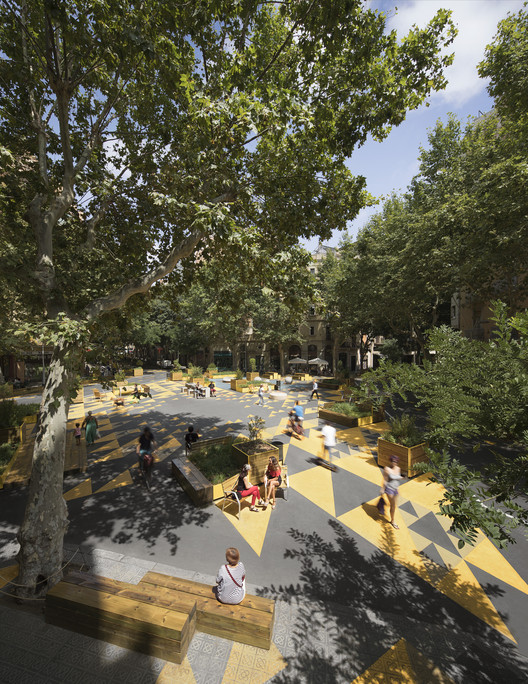
Barcelona’s Superblock Programme, launched in 2016 around Sant Antoni, offers a blueprint for people-first streets. By prioritising pedestrians, cyclists and public transport, the initiative has reimagined city life at the neighbourhood level. A 2025 BMC Public Health study reported a 25% drop in nitrogen dioxide levels where cars were removed, highlighting the environmental benefits of walkable design.
In the current Leadership Exchange, Barcelona is reflecting on the outcomes of La Rambla, while London uses those lessons to anticipate political, logistical and stakeholder challenges as Oxford Street evolves.
London’s exchange focuses on reimagining Oxford Street as a vehicle-free cultural corridor, drawing directly from Barcelona’s €55 million La Rambla redesign.
Bogotá: Latin America’s Culture-First Streets
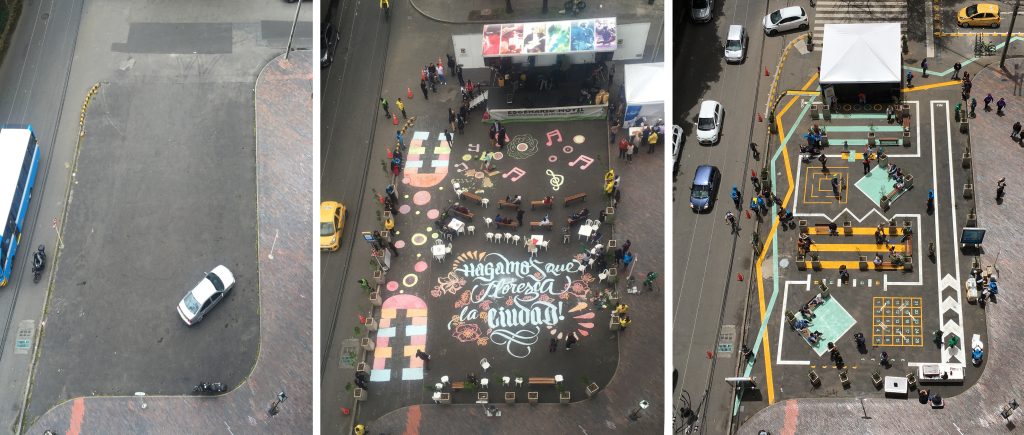
Across the Atlantic, Bogotá is redefining its streets for people. Since 2016, the city’s Plazoleta Programme developed with Bloomberg Associates and the Global Designing Cities Initiative (GDCI)—has reclaimed underused spaces for plazas that promote safety, inclusion and local culture.
Its long-running Ciclovía Programme, now over 50 years old, closes 120 kilometres of roads to cars every Sunday, inviting residents to walk, cycle and celebrate. The weekly event has become a cultural ritual linking exercise, urban identity and environmental awareness while championing civic participation.

Global Lessons in Walkability: Milan, Tokyo and São Paulo
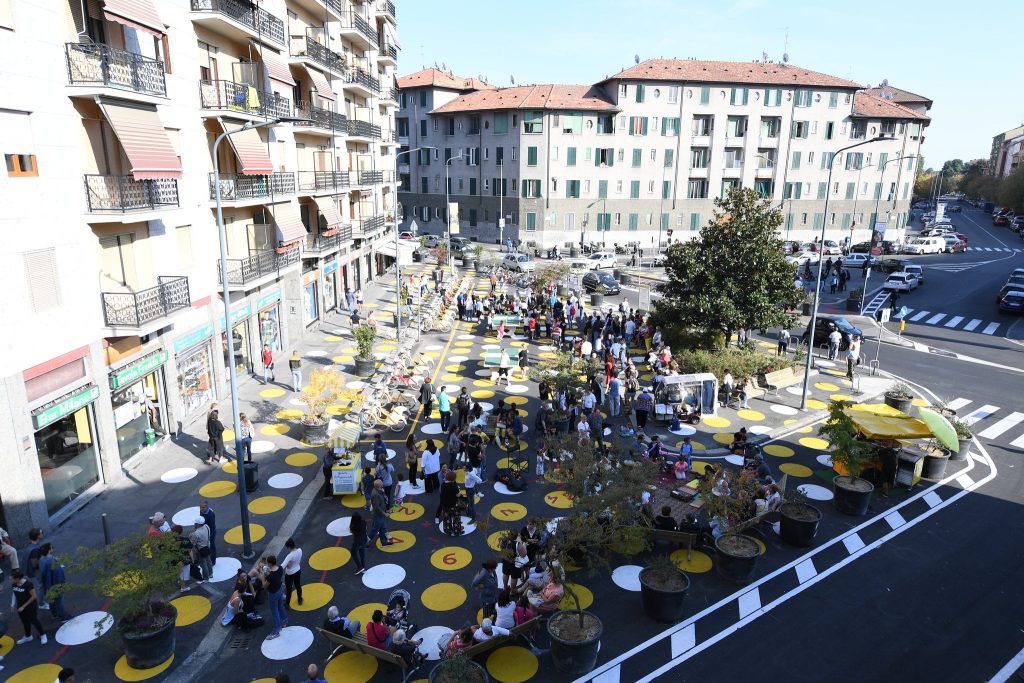
In Milan, pedestrianisation efforts have revitalised its public squares. Named the world’s most walkable city by the Monocle Quality of Life Survey 2025, Milan’s Piazze Aperte (“Open Squares”) Programme—developed with Bloomberg Associates, GDCI and AMAT—has created 60 pedestrian squares, 26 school streets, and 650 bike parking stalls. The project has transformed 56,000 square metres of city space into vibrant community hubs where art and everyday life intersect.

In Tokyo, the pedestrianisation of Ginza-dori has improved access to cultural landmarks like the Kabuki-za Theatre and Pola Museum Annex. On weekends and holidays, traffic is banned, allowing visitors to explore Japan’s busiest shopping district on foot. The city also plans to replace all gasoline buses with electric and hydrogen fleets by 2030, strengthening its commitment to sustainable mobility.
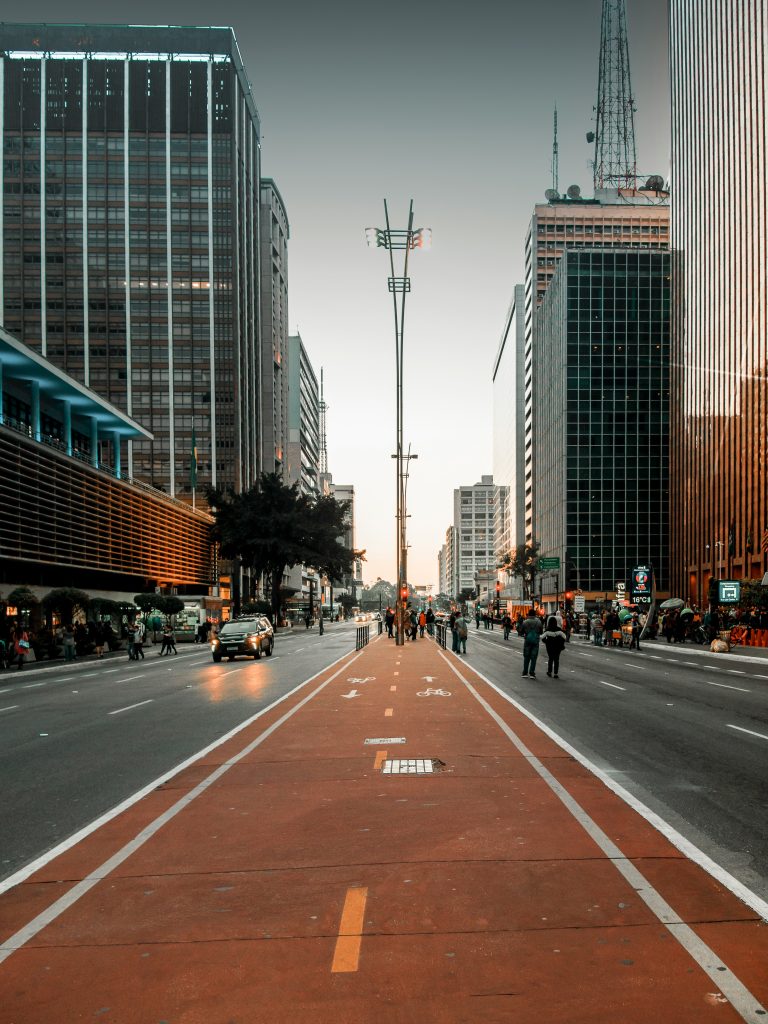
Meanwhile, São Paulo’s Avenida Paulista turns into a cultural stage every Sunday. Closed to traffic, the avenue hosts concerts, dance performances, street theatre and markets beside institutions like the São Paulo Museum of Art and Itaú Cultural—a vivid example of how pedestrian spaces can unite artists, audiences and communities.
Walking Toward the Future
Pedestrianisation is more than removing cars—it’s a cultural tool that gives streets back to people, creating spaces for creativity, dialogue, and belonging. By transforming traffic corridors into cultural commons, cities foster connection and imagine a more inclusive, sustainable future.