Building bliss: living near heritage sites improves citizens’ wellbeing
A visit to a local monument, historic park or building can boost happiness by 93%

A new Report by Historic England unveils the impact of local heritage on mental and emotional health. The research estimates that the overall wellbeing value of heritage visits is worth £29 billion every year in England, supporting citizen life satisfaction and pre-empting long-term clinical interventions.
The Report shows that day-to-day encounters with local heritage can be just as valuable for citizen wellbeing as visiting one of the seven wonders of the world or iconic places such as the Sydney Opera House, Westminster Abbey in London, or Christ the Redeemer statue in Rio de Janeiro.
The 44 cities from the World Cities Culture Forum are home to over 60 UNESCO World Heritage Sites, places of universal historical and cultural significance, as well as over 164,000 local heritage sites. A visit to a local monument, historic park or listed building can boost happiness levels and subjective wellbeing by 93%.
The relationship between proximity to cultural heritage and life satisfaction is clear. The report calls on ‘policymakers aiming to improve social welfare to consider cultural heritage a unique lever, not just for its intrinsic historical value but its ability to enhance community well-being.’
‘Policymakers aiming to improve social welfare should consider cultural heritage a unique lever, not just for its intrinsic historical value but its ability to enhance community well-being.’
Historic England
This research can pave the way for cities to capture the wellbeing impact of their heritage. Here are some examples of how our cities are promoting cultural heritage to improve citizens’ quality of life.
Vancouver’s Chinatown
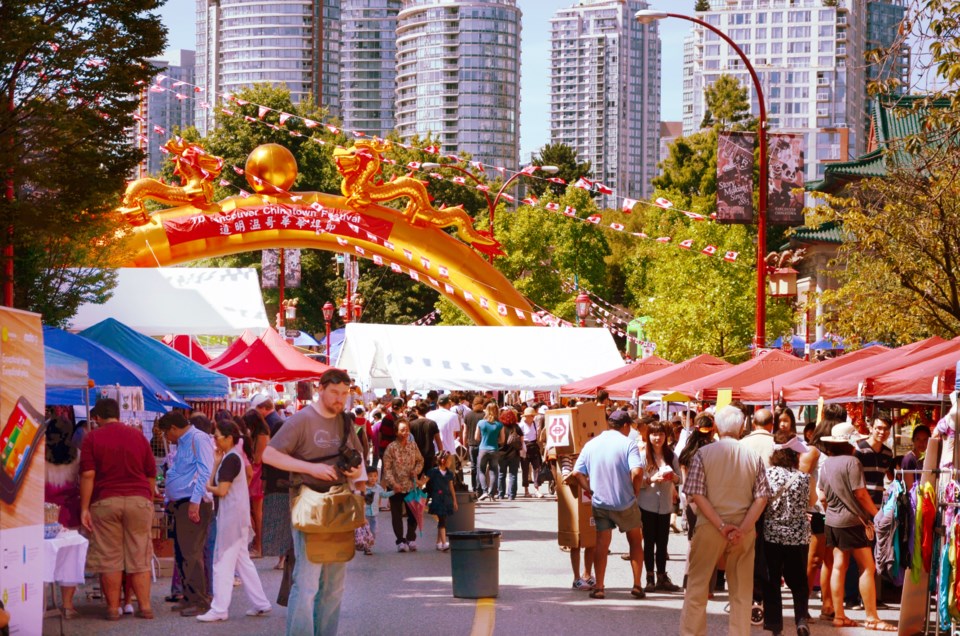
Vancouver’s Chinatown dates back to the late 19th century when Chinese immigrants first settled in the area. It is home to notable heritage including the Dr. Sun Yat-Sen Classical Chinese Garden, the first full-scale Chinese garden built outside of China, and the Sam Kee Building, the narrowest commercial building in the world.
In 2022, Vancouver introduced a new cultural heritage assets management plan to safeguard Chinatown and address cultural erosion and community displacement in the neighbourhood due to rising property prices.
Today around 20% of Vancouver’s citizens identify as ethnic Chinese (Source: Canadian Census 2021). The preservation of Chinatown is key to the transmission of intangible heritage practices to younger generations, such as culinary traditions, crafts and language.
Istanbul‘s Beyoğlu Culture Route
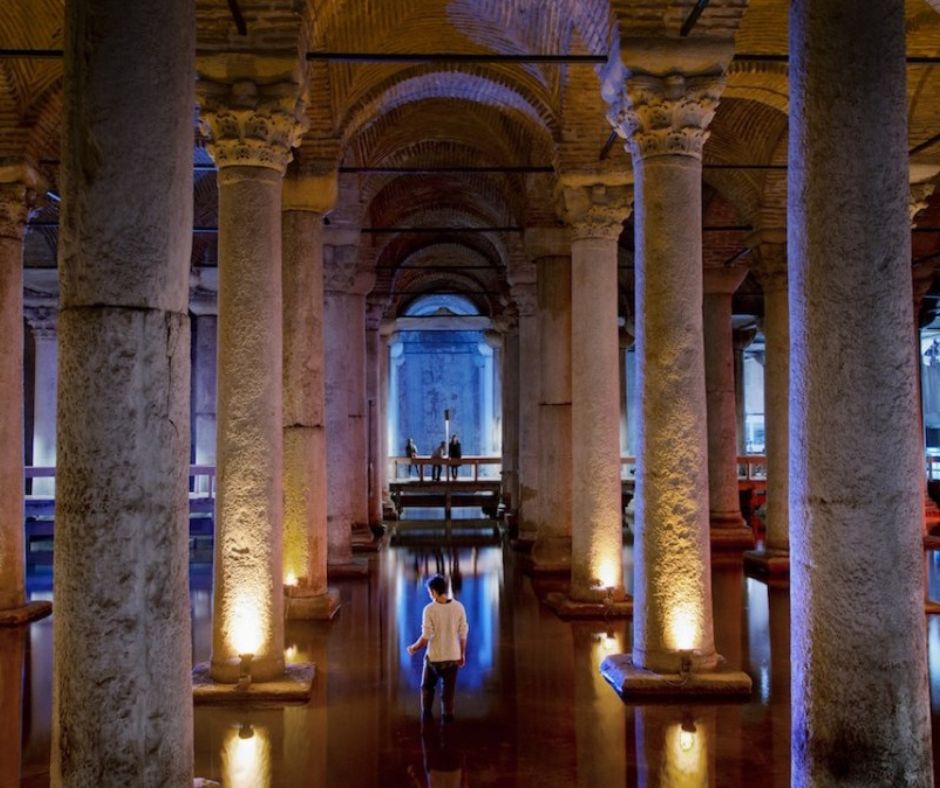
Istanbul’s Beyoğlu Culture Route is a 4 kilometre heritage trail raising awareness of the city’s history and enabling citizens to explore culture on their doorstep.
This major project extends from Galataport İstanbul to the bustling Taksim Square in the centre of İstanbul and includes many of Türkiye’s significant cultural landmarks and venues, such as the medieval watchtower, Galata Tower; the Tarık Zafer Tunaya Culture Center holding ancient artefacts; and the Mehmet Akif Ersoy Memorial House honouring of one of the most important writers in Turkish literature.
A bi-annual festival activates the trail with a series of art installations and cultural performances engaging local communities. The project has been central to Istanbul’s cultural recovery post-pandemic.
Abu Dhabi’s Al Ain school visits programme
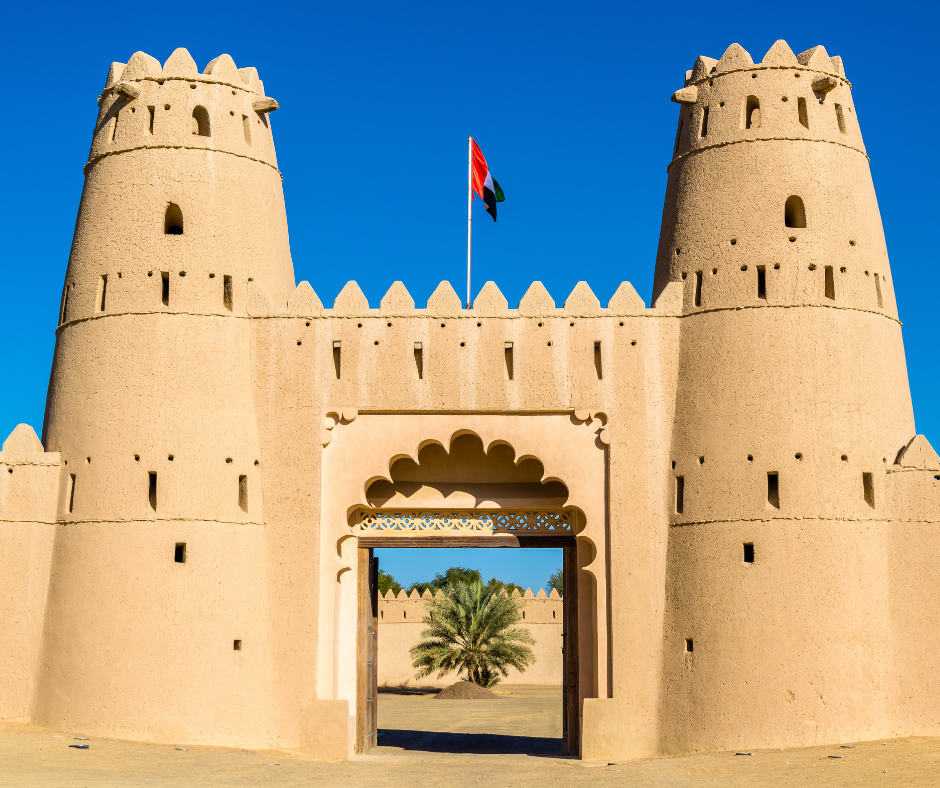
Abu Dhabi’s cultural heritage programme enables all young people aged 14-15 in public schools to visit the Al Ain UNESCO World Heritage Site.
The Cultural Sites of Al Ain, situated 160 km east of Abu Dhabi, include a series of oases, archaeological sites and historic buildings that date back to the Neolithic period. They offer a unique glimpse into the early human history of the United Arab Emirates and highlight the adaptation of human communities to the desert environment.
Visits to the heritage site and learning about its history are integrated into the school curriculum. By exploring 5,000 years of history with heritage experts, students learn about Emirati culture and gain an understanding of traditional customs and ways of living against a backdrop of urban rapid development.
Guangzhou’s City of Rams Festival

Guangzhou has historically been a hub for trade and cultural exchange, thanks to its geographical location in Southern China which has led to diverse art forms and cultural practices.
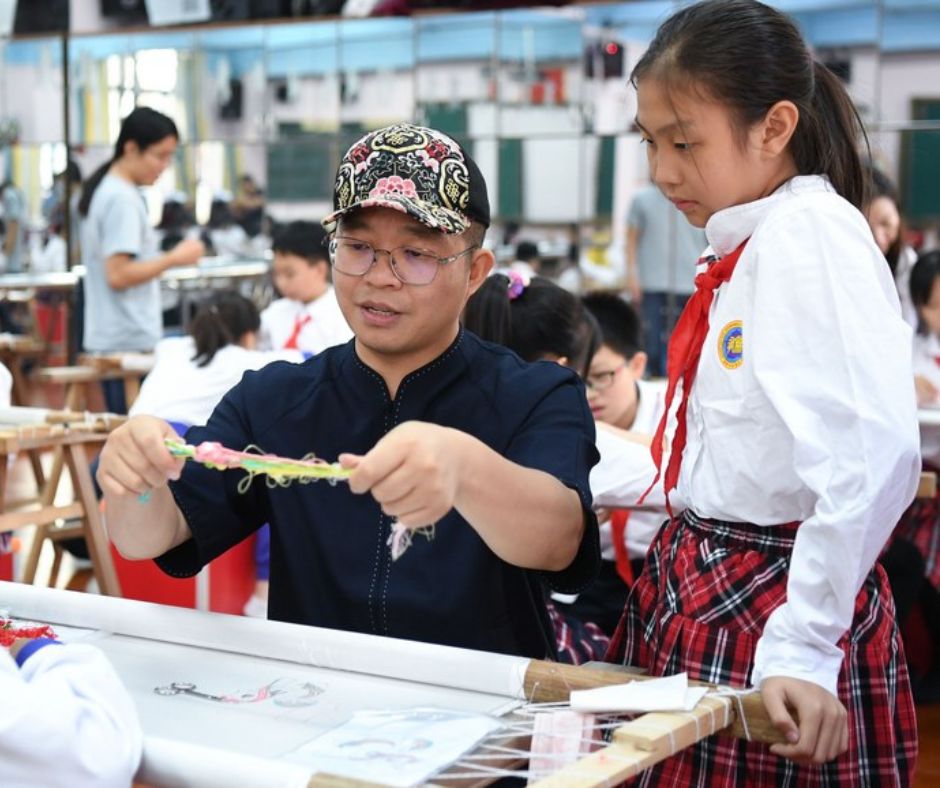
The City of Rams festival is the longest-running and most extensive cultural event in Guangzhou with 1,000 activities celebrating its heritage. The annual programme includes exhibitions promoting traditional crafts, fashion and calligraphy and crafts, as well as Guangzhou Choral festival Drama and Music competitions.
The festival plays a central role in the preservation and education of Lingnan (also known as Cantonese) culture and identity, with public lectures and youth workshops passing practices and knowledge to the next generations.