Cities Supporting Sustainable Global Tourism
Based on insights from the World Cities Culture Report Survey and City Projects
Key Data
- 66% of cities see sustainable tourism as a key priority
- 18% of cities are concerned about overtourism
- 27% of cities have a tourism tax in place
Culture is a key driver of tourism, with cities around the world offering cultural initiatives to shape distinctive visitor experiences. As post-pandemic tourism rebounds, more cities are placing sustainability at the heart of their cultural tourism strategies. 66% of our cities, including Paris and Zurich, see sustainable tourism as a key priority. Tourism plays a vital role in urban economies but as visitor numbers grow, cities are increasingly aware of the pressures tourism places on local ecosystems, infrastructure and communities.
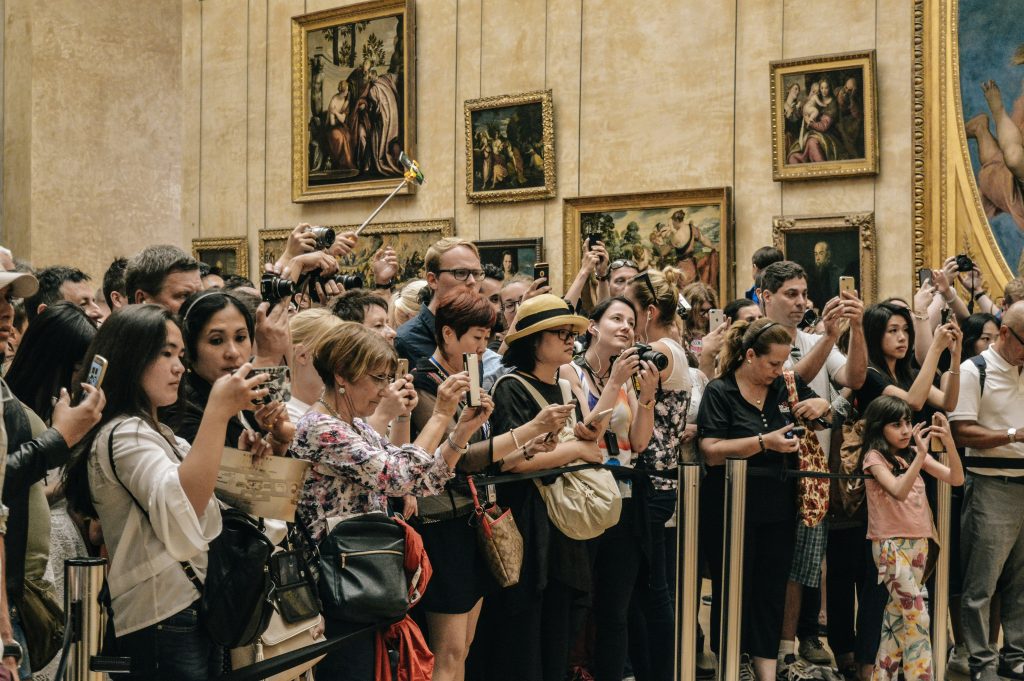
Overtourism is a concern in 18% of our cities, especially in Europe where space is limited and infrastructure is under pressure. In response, cities like Barcelona have capped short-term holiday rentals and promoted off-peak travel.
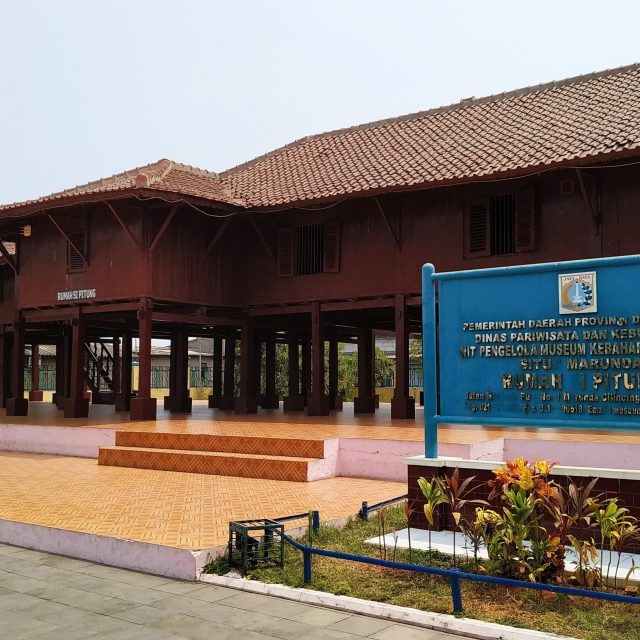
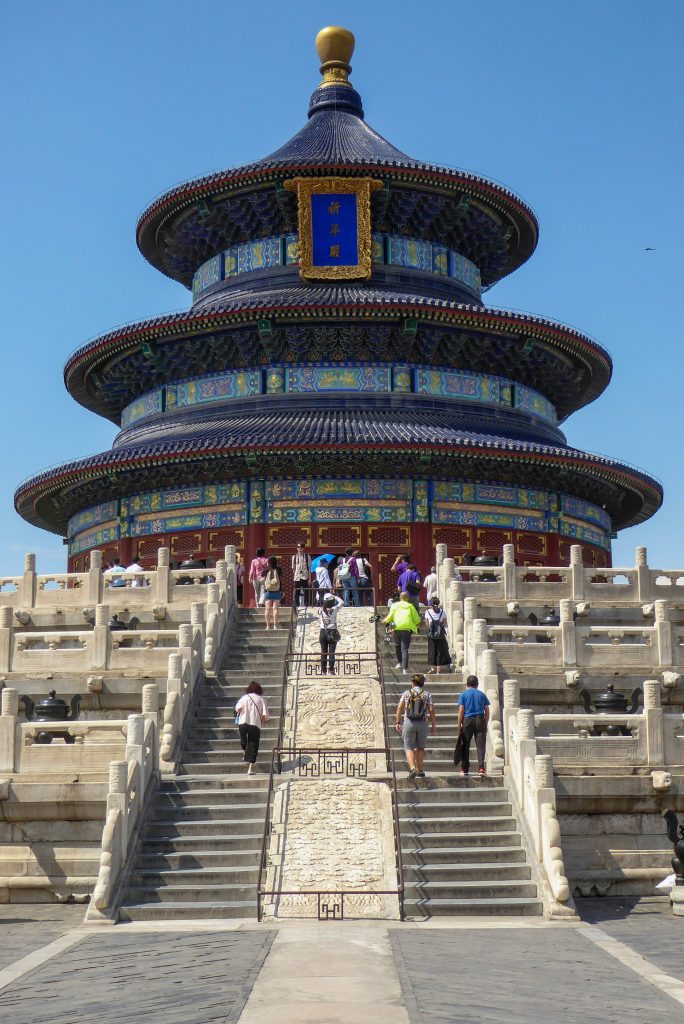
Many cities are leveraging cultural tourism and programming to showcase the full diversity of their city and heritage on both the local and global stages. In Helsinki, the city-wide Helsinki Biennial, staged across parks, neighbourhoods and the city’s 300 islands, is transforming Helsinki’s international image as a cultural destination while distributing tourism investment more evenly. In Beijing, the International Week of Intangible Cultural Heritage and a new cultural experience centre promote Chinese cultural heritage and global exchange. Guangzhou’s vibrant Flower Market links tradition and innovation, activating the night-time economy in the city and reinforcing cultural tourism. Jakarta’s Cultural Village initiative preserves Betawi heritage through community-led tourism and participatory cultural policymaking. As part of our African Alternatives research, 12 policymakers from cities including Lagos and Kigali, ranked cultural tourism as one of their top five policy drivers (World Cities Culture Forum, 2024).
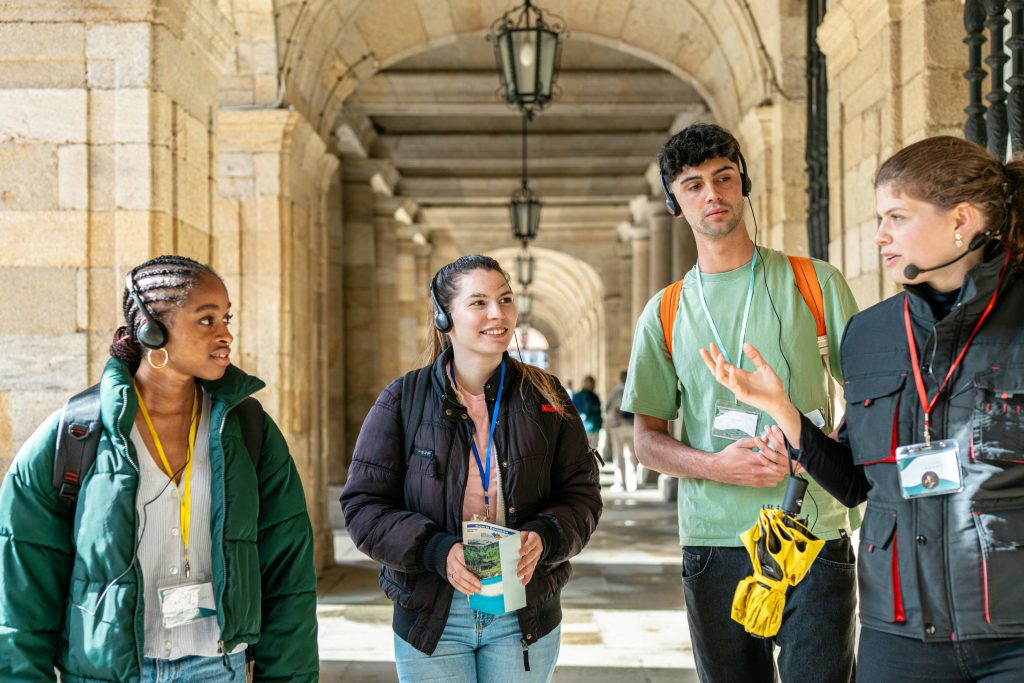
Culture is a source of identity and inclusive development, with tourism providing a platform for storytelling and a way of sharing cultural heritage. Domestic as well as international tourism plays a vital role in urban economies. One of the most promising trends across our cities is the use of tourism-generated revenue to fund cultural infrastructure and programming. Edinburgh to San Francisco are amongst the 27% of our cities to have a tourism tax in place and are demonstrating its potential to support culture. At least two other member cities are developing tax proposals. In Austin, hotel occupancy taxes fund cultural programmes and also support venue maintenance and staffing. Montréal channels approximately $9 million (CAD) of tourist taxes revenue annually into festivals, exhibitions and public events. These examples show how well-designed tourism levies can help to diversify funding models and increase support for culture.
As tourism numbers rise, cities are increasingly recognising the importance of managing growth responsibly. Cities must ensure tourism supports economic, social and environmental sustainability, by placing community, creativity, and long-term planning at its core.