
Reclaiming Space for Culture: A Global Movement Gains Ground
Supported by Kenneth Rainin Foundation and written by Michelle Tabet, Founder and Director, Left Bank Co
Key Data
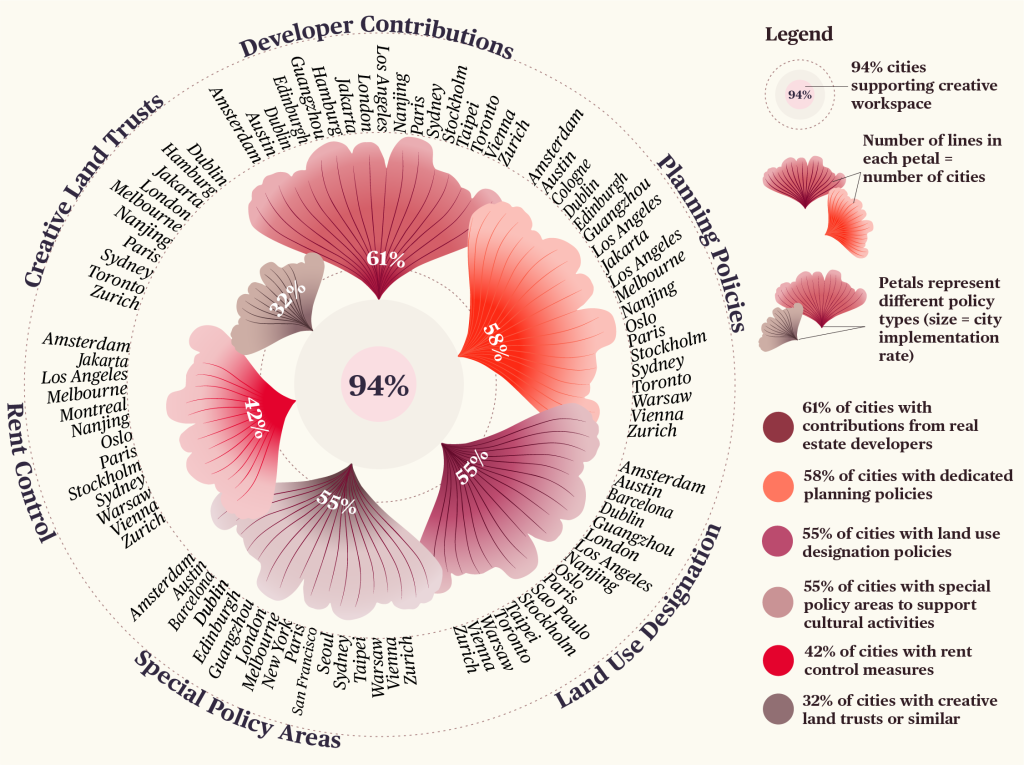
- 94% of cities are actively working to support and secure spaces for creatives
- 41% of cities have policies supporting cultural and creative districts
- 30% of cities are delivering or developing dedicated land trusts or real estate agencies to acquire property for creative use
INTRODUCTION
Artists, creative makers and cultural organisations are being squeezed out of cities by rising rents, short-term leases, and the pressure that rapid urbanisation imposes on property markets. Yet culture is central to civic life and one of the reasons people are attracted to live and work in cities. Solutions are urgently needed and, encouragingly, 94% of cities in the World Cities Culture Forum’s global survey are actively working to secure space for creatives.
But with 66% still reporting the loss of creative workspace as a current or looming crisis, it’s clear that new long-term models are required. From cooperatives to bespoke mission-driven ownership structures, cities are testing new approaches with Creative Land Trusts emerging as one of the most practical and effective models. In some cities, initiatives include living as well as working environments for creative and cultural workers, but in this section we focus exclusively on creative workspaces.
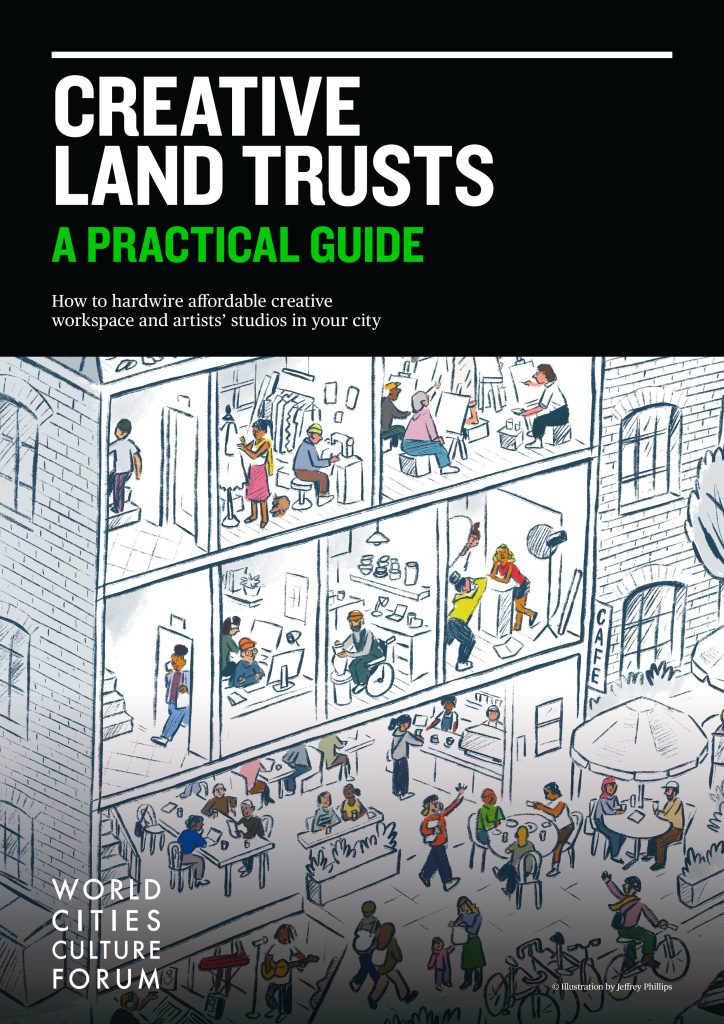
The Creative Land Trust Summit, held in San Francisco in May 2025 brought together practitioners, policymakers, funders, and advocates from seven countries. Hosted by the Kenneth Rainin Foundation and convened by Left Bank Co with support from the World Cities Culture Forum, there were representatives from over 15 cities including London, Sydney, Calgary, Helsinki, and Austin. The goal was not to establish one single model but rather understand how to design and adapt models to suit different contexts. The event allowed cities to compare strategies and begin to build a global community of shared practice. Following the Summit, World Cities Culture Forum launched ‘Creative Land Trusts: A Practical Guide’ (World Cities Culture Forum, 2025).
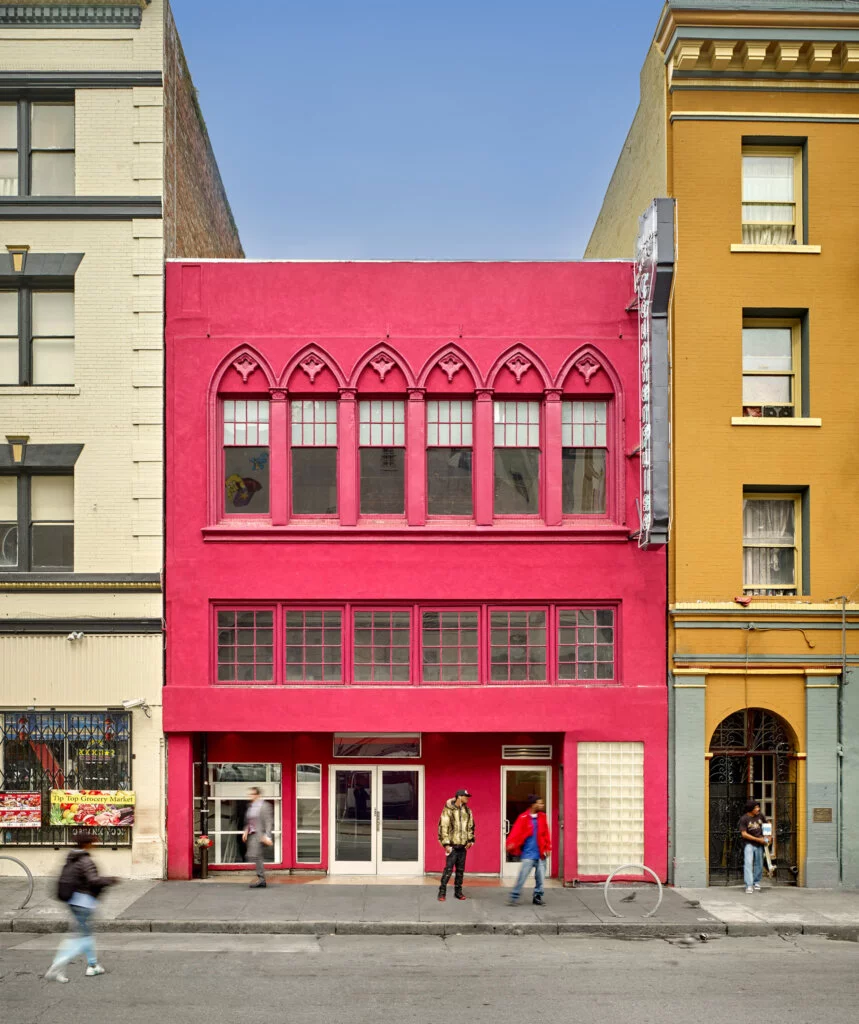
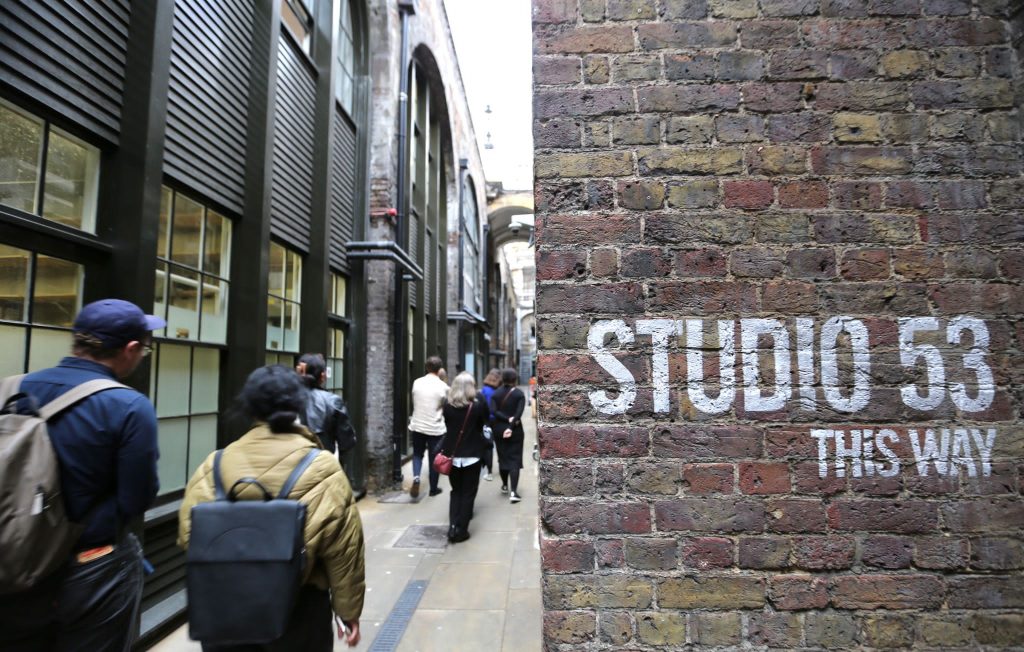
The Summit revealed a diversity of approaches. In North America, new models of community-owned cultural spaces are being pioneered by CAST in San Francisco, the Artist Space Trust in San Francisco’s wider Bay Area, the Cultural Land Trust in British Columbia and Rally Austin in Texas. In the United Kingdom, London’s Creative Land Trust is securing long-term studio and workspace, while the Music Venues Trust is trialling a community-led investment model. In Australia, the City of Sydney’s 10-year cultural strategy commits to investigating the feasibility of a local version of the Creative Land Trust.
Despite the wide variety of models discussed at the Summit, some common themes emerged:
- Permanent cultural space requires long-term investment and strong partnerships across sectors.
- Stewardship models must be grounded in local needs and inclusive governance.
- It’s not just about buildings, it’s about confidence in the organisations that secure deals, and confidence in the stability of the cultural partners they serve.
City governments have a vital role in creating the conditions in which these new ownership models can thrive. They can make public land available at discounted prices, embed cultural infrastructure into zoning and planning frameworks, or partner with philanthropists and ethical finance providers to make capital more readily available. But they don’t need to own or directly manage the results. In fact, it is important that ownership is entrusted to independent bodies that are not tied to the uncertainties of the political and electoral cycle of city politics.
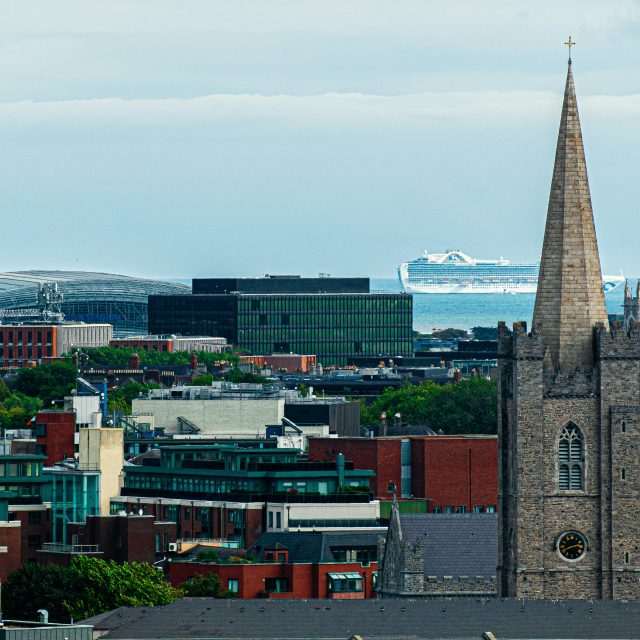
There are many examples of good practice. In Dublin, planners have introduced a 5% cultural space requirement for major developments. In Boston, city leaders are seeking to redirect land use toward more inclusive civic and cultural outcomes. In Melbourne, cross-departmental coalitions between planning, legal, and economic development teams are demonstrating the value of joined-up thinking. City governments can also lead in developing a clear picture of what exists, what’s needed and what’s at risk by investing in surveys and audits of cultural assets. Solid data helps build the case for action and can shape better policy, stronger partnerships and more targeted investment.
KEY TRENDS & INSIGHTS
1. Creative land stewardship is gaining global traction – but there’s a long way to go
Interest in creative land trusts and stewardship models is growing worldwide. 30% of cities surveyed, including Dublin, Jakarta, Austin and Sydney, are actively delivering or developing dedicated land trusts or real estate agencies to acquire property for creative use. The Creative Land Trust Summit highlighted the need to develop basic legal and financial structures that are more universally applicable, but always with enough flexibility to adapt to local circumstances.
2. Philanthropy is evolving – from project-based giving to systemic change
Funders are beginning to shift their attention from one-off capital projects to long-term investment, leadership development, and permanent affordability mechanisms. The Creative Land Trust Summit highlighted the need for these longer-term funding models and for better co-ordination between funders through initiatives such as a pooled “fund of funders” which could reduce risk and build institutional strength.
3. Cities are recognising their enabling role – but should be more active in their approach
Planners and policymakers are beginning to incorporate the need for secure cultural spaces into their planning strategies, offering land at reduced cost, and coordinating cross-departmental responses. 50% of our cities collect formal data to identify creative space supply and need but further evidence is needed. City governments can be more than just regulators – they can act as conveners, brokers and champions.
4. New governance models are emerging – adapted to the local context
As land stewardship models evolve, organisations are addressing questions of governance – how to manage risk, distribute power, and remain accountable to communities by exploring cooperative structures, or by sharing governance with Indigenous and local stakeholders.
5. Culture is being reimagined as part of the basic urban infrastructure
The conversation is moving from ‘finding space for the arts’ to seeing culture as a core element of the city’s infrastructure that delivers wider public value – through circular economy practices, housing co-location, or civic and mental health outcomes. This broader framing is helping unlock new partnerships and funding.

POLICY RECOMMENDATIONS
1. Map your creative space ecosystem
Build a clear evidence base by surveying, mapping, and auditing creative spaces. Understanding what exists, what’s missing, and what’s vulnerable is essential to shaping an informed policy.
2. Address affordability pressures
Understanding the costs and constraints facing creative spaces- rent, tenure, and compliance- can help inform a city’s approach to wider planning and regeneration issues of accessibility and affordability.
3. Collaborate with community leaders
Partner with trusted creative practitioners and space operators. Their knowledge, networks, and leadership are essential for designing effective, locally grounded stewardship models.
Additional Policy Recommendations are available in ‘Creative Land Trusts: A Practical Guide’ (2025) published by World Cities Culture Forum.
DATA VISUALISATION OF CREATIVE WORKSPACE SURVEY DATA