Cultural Policy in Rio de Janeiro
Supporting its citizens through innovative funding models that champion diversity and creativity
Cultural policy
The Prefeitura de Rio is the administrative body for the city, with cultural policy managed by the Secretaria Municipal de Cultura. The policymakers of Rio de Janeiro play a crucial role in preserving and promoting the city’s cultural heritage. Local government bodies collaborate with educational and cultural institutions to ensure equitable access to culture for all residents. The establishment of versatile cultural venues across the city underscores the policymakers’ commitment to fostering cultural practices, rehearsals, and performances.
The city’s ‘ISS Law’ or ‘Municipal Law of Incentive to Culture’, created in 2013, allows taxpaying companies of all kinds to invest in cultural projects approved by the city by directing a portion of their ISS (Service Tax) payments. Companies can allocate up to 20% of their ISS to support these projects. This mechanism provides a way for businesses to contribute to the cultural scene. In 2023, R$70 million was made available to cultural projects. The total amount allocated for the implementation of cultural projects corresponds to 1% of the Service Tax (ISS) paid annually in the City of Rio de Janeiro.
Cultural programmes
Much of the city’s focus has been on supporting independent cultural producers and organisations to produce cultural projects and events in their area, redistributing funding around the city through the ISS Law and other programmes. The city creates a funding criteria each year, which will assess areas of the city which it intends to invest more. In recent years there has been a focus on West and North zones or in favelas in the Center and South Zones. The aim is to redistribute funding in a way that challenges environmental and cultural disparities and historic funding patterns.Rio is an events city and, as well as its famous Carnival, has hosted some of the world’s largest major events and concerts in recent years. This includes both Lady Gaga and Madonna as part of Todo Mundo no Rio (‘Everyone in Rio’), both breaking records for their size, as well as the Olympics in 2016 and the Rock in Rio series. In 2025, Rio was UNESCO World Book Capital, the first Portuguese speaking city to receive the title.
Cultural heritage and infrastructure
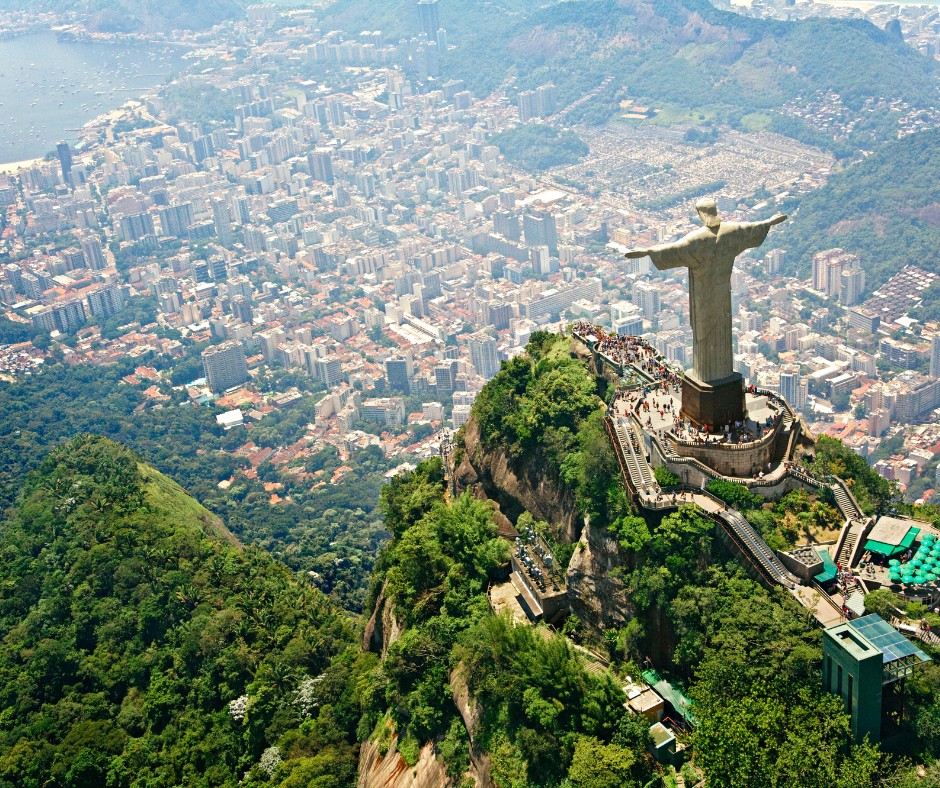
Nestled between rolling green mountains and the vastness of the Atlantic Ocean, Rio de Janeiro is a renowned for its cultural heritage. Often referred to as the ‘Cidade Maravilhosa’ or ‘Marvellous City,’ Rio boasts iconic landmarks that serve as architectural symbols of its rich historical and cultural legacy. The Christ the Redeemer statue and Sugarloaf Mountain, both UNESCO World Heritage sites, stand as testament to the city’s enduring heritage.
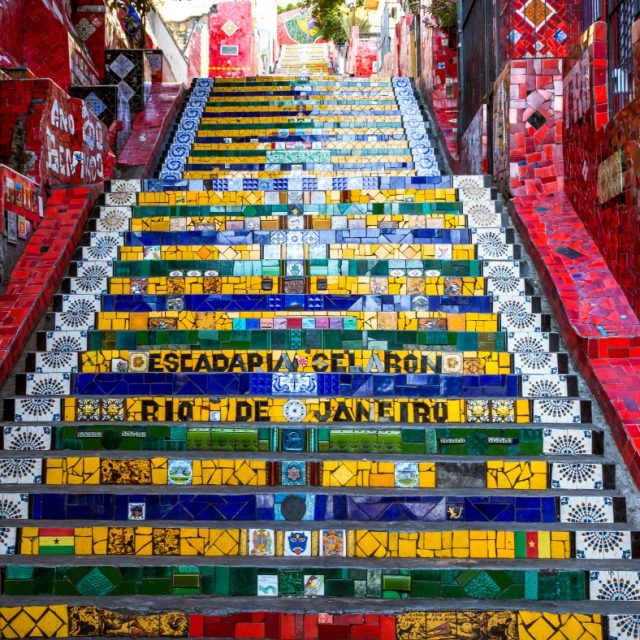
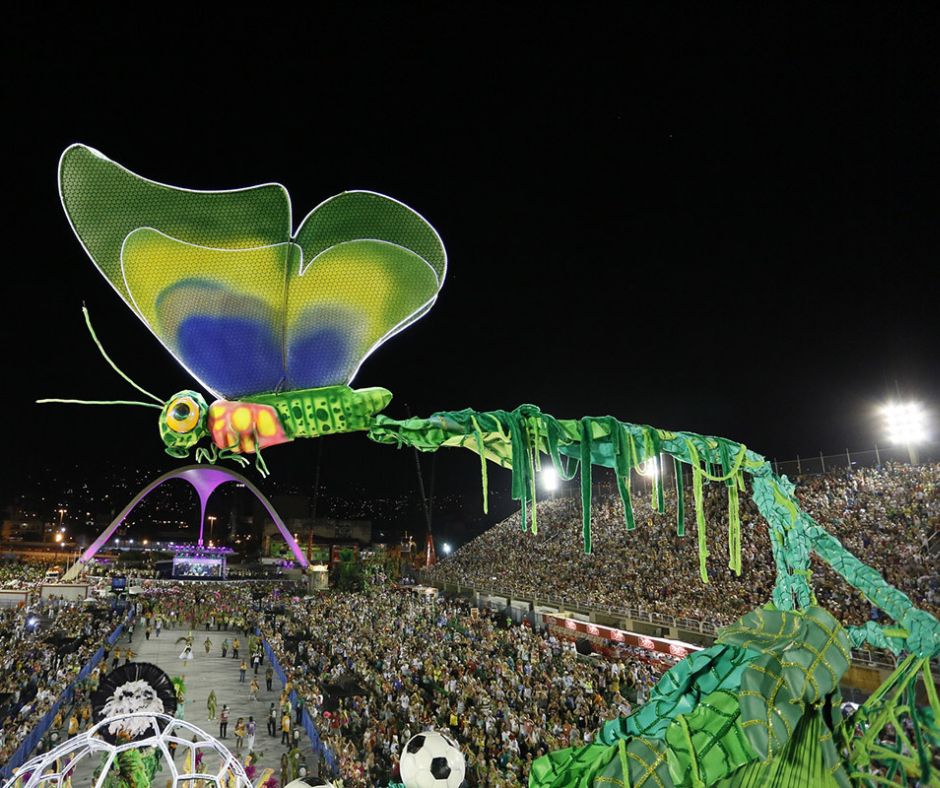
The vibrant heartbeat of Rio becomes most apparent during its world-famous Carnival, a spectacular festival that encapsulates Brazil’s rich multicultural history. The rhythmic pulse of samba drums, energetic dances, and intricate costumes come together to tell stories of indigenous, Portuguese, African, and other legacies, transforming it into a global spectacle. Rio’s diverse cultural tapestry is on full display during this grand celebration. Beyond the Carnival, the city’s neighborhoods are full with culture, from the traditional “rodas de samba” gatherings in historic Lapa to contemporary art exhibitions in Santa Teresa.
Rio de Janeiro serves as a hub for Brazilian music, cinema, and literature, nurturing many of the nation’s celebrated artists and thinkers. The city’s beaches, including Copacabana and Ipanema, are not only places of relaxation but also stages for cultural events, musical performances, and art installations. Additionally, the Tijuca Forest, with its unique environmental and biodiversity significance, contributes to the city’s cultural and natural heritage.
Rio is more than just a postcard city; it is the vibrant cultural heart of Brazil, where the past, present, and future of Brazilian art, tradition, and spirit converge.
Community engagement, social impact and policy innovation
While preserving its rich heritage, Rio consistently evolves, adapting to contemporary demands and opportunities. The city’s iconic Carnival, for instance, has evolved into a global spectacle, embracing new technologies and trends while maintaining its cultural essence.
As Rio prepares for the future, the city and regional governments focus on ensuring inclusivity are a central component of its cultural policy. In doing so, Rio looks ahead to a future where cultural heritage thrives alongside modernity and sustainability.
© Images Courtesy of Getty Images/Canva; City of Rio de Janeiro