Cultural Policy in Hamburg
A hub for media and Germany’s second most populous city

Cultural policy
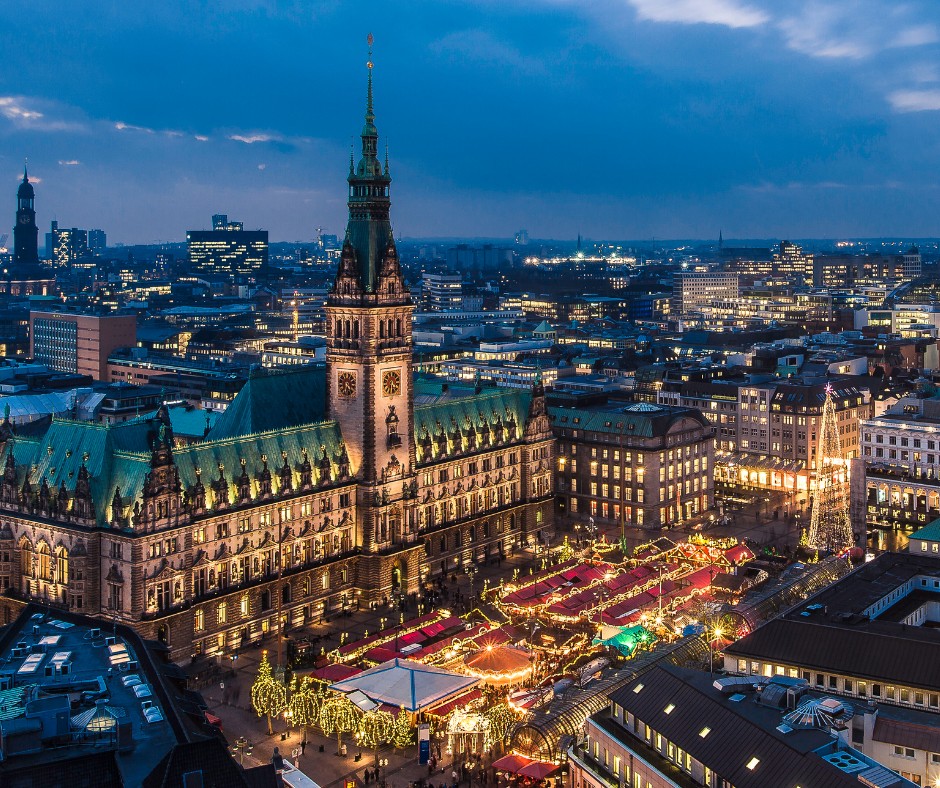
Hamburg is a city-state in Germany and the Hamburg Department for Culture and Media supports the development of culture and the creative industries, creates good conditions for the work of the media industry and supports the protection of historical monuments. The Department provides funding to a range of cultural institutions across the city, including those owned by the state, which are divided by cultural sector. The work of the department is led by the Senator responsible for the Ministry, appointed by the First Mayor of the city, and is funded through a wide range of sources.
Cultural programmes
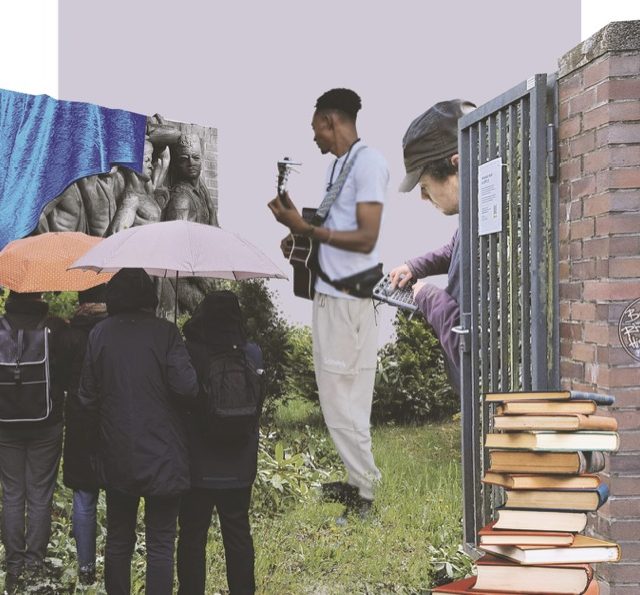
Kultur für alle (or ‘Culture for all’) programmes aim to break down barriers to people’s participation in cultural activities and production. Hamburg’s cultural initiatives have a focus on heritage and monument protection, including efforts to create a ‘culture of remembrance’ and decolonisation.
Prominent urban development initiatives, such as HafenCity Hamburg, a wide range of cultural events, and the excellent quality of life along the waterfront, have attracted an increasing number of tourists to this northern German city.

Cultural heritage and infrastructure
Hamburg boasts a rich musical heritage, rooted in a centuries-old tradition of classical music. The Oper am Gänsemarkt, opened in 1678, stands as Germany’s first civic theatre. The city’s ‘Composers’ Quarter,’ inaugurated in 2015 near the famous St. Michael’s Church, serves as a tribute to composers born or associated with Hamburg, including C. P. E. Bach, Johannes Brahms, Gustav Mahler, and the baroque composer Georg Philipp Telemann.
Hamburg is not limited to classical music; it also holds a significant place in the history of popular music. The Beatles, for instance, launched their career in the city, performing in various clubs around the Reeperbahn from August 1960 until December 1962, thereby establishing Hamburg’s legendary live music scene. To this day, emerging bands from around the world perform in these same clubs, especially during the annual Reeperbahn Festival, Europe’s largest club festival, which offers stages for international artists at over 90 venues.
Hamburg boasts approximately 60 museums, exhibition venues, and numerous galleries. Among its cultural treasures is the Kunstmeile Hamburg—a consortium of five distinguished exhibition houses and art museums located in the city center, all accessible with a single ticket known as the “Kunstmeilenpass.” This ensemble includes the Bucerius Kunst Forum, which moved to new premises in 2019, the Deichtorhallen, the Hamburger Kunsthalle, the Kunstverein, and the Museum for Arts and Crafts Hamburg (MK&G).
Hamburg is home to over 300 cultural institutions, including the world-renowned Elbphilharmonie concert hall, celebrated for its striking architecture and diverse musical programming. The city also boasts a vibrant theatre scene with 45 venues, a world-leading musical theatre industry, and the internationally acclaimed Hamburg Ballett.
Community engagement, social impact and policy innovation
The Hamburg metropolitan region, home to 5 million inhabitants, ranks among the most prosperous and affluent regions in Europe. With a history as a port and trading centre spanning centuries, Hamburg maintains global relationships. Alongside its thriving trade and logistics industry, Hamburg holds the title of Germany’s media capital. The city is renowned as the greenest metropolis in Europe, with one-fifth of its surface area consisting of water, shaped by the Elbe and the smaller Alster rivers, forming a lake in the city centre. Hamburg’s charm extends from the leafy borough of Blankenese to vibrant, hip urban districts. As the largest port in the country, it has served as a thriving global trading hub for centuries. In addition to its historic trade and logistics sector, Hamburg holds the distinction of being Germany’s media and music capital.
Despite suffering significant damage during World War II, Hamburg’s resilient spirit shines through in its historic building complexes. The ‘Speicherstadt and Kontorhaus District with Chilehaus,’ designated as a UNESCO World Heritage site since 2015, stands as a testament to the city’s distinctive architectural and trading heritage.
Images copyright © Getty Images / Canva