Cultural Policy in Brussels
The City of Brussels has a rich heritage and policy focused on cultural participation and accessibility

Cultural policy
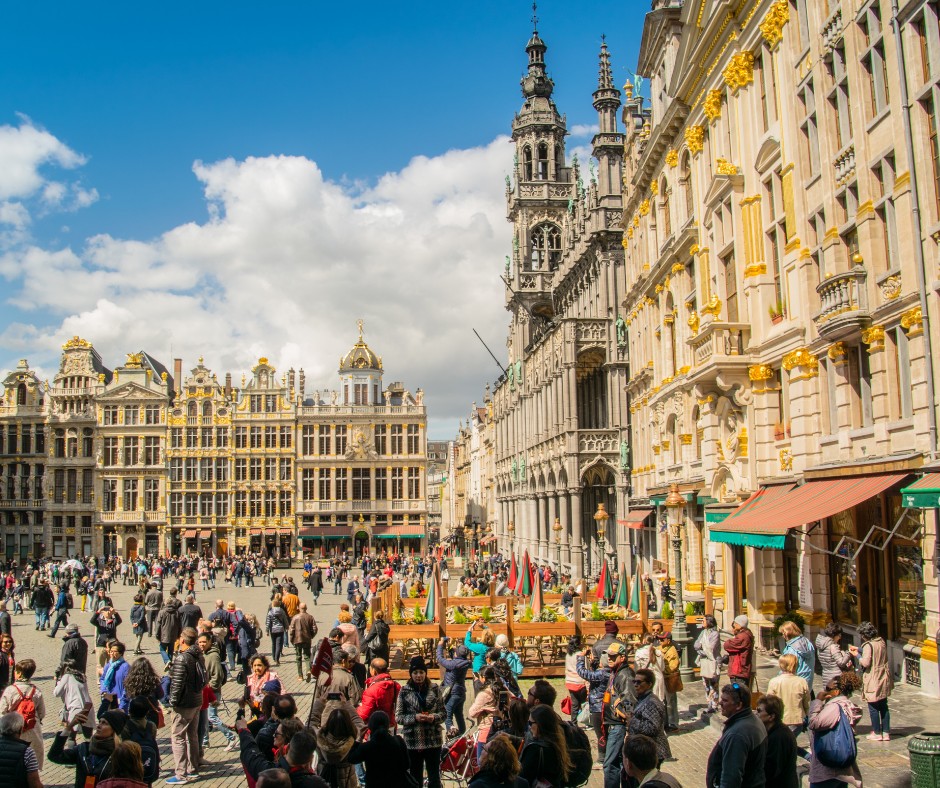
The Brussels-Capital Region consists of 19 highly autonomous municipalities, and a significant portion of cultural policy and budget falls under the jurisdiction of the French and Flemish linguistic communities. This fragmentation can sometimes hinder the development of coherent policies. However, in 2009, a groundbreaking ‘Culture Plan for Brussels’ was introduced, emphasising the importance of cooperation and multilingualism.
The City of Brussels is the largest municipality and includes the historical centre of Brussels. The City of Brussel’s ‘General Policy Program 2024-2030’ sets the high level cultural strategy for the city. The policy programme recognises the importance of accessibility, inclusion, participation and diversity. It positions culture as a tool for social cohesion, personal emancipation, and civic engagement, leveraging both public and private partnerships.
Cultural programmes
The city’s current policy has a strong focus on cultural participation for citizens, including young people, older citizens and those with disabilities. It has increased support for local artists through grants and residencies and is encouraging greater use of public spaces for cultural events. The city also prioritises diversity and representation, invests in heritage and infrastructure, and fosters partnerships across education, health, and transport to embed culture in everyday life. The city is also including a focus on improving cultural participation in under-served areas and decentralising its cultural programming.
Recent capital projects have involved the repurposing of the city’s historic and industrial buildings into significant cultural spaces. The Kanal Project, for instance, is transforming a 1930s modernist industrial building into a cultural hub, featuring two museums, an auditorium, and extensive multifunctional public areas.
MAD Brussels, a platform for fashion and design, is renovating a new home in a building that combines architectural grandeur with aesthetic finesse. The House of European History stands out as a museum uniquely dedicated to narrating the story of the continent, with a particular focus on the 20th century, offering its narrative in all the languages of the European Union.
Brussels is a city with many facets: it is traditionally multi-ethnic and multilingual, characterised by its diversity and fragmentation. Its institutional complexity presents both a barrier to cooperation and a fertile ground for new ideas. Despite its challenges, Brussels has harnessed a new cultural energy that is now garnering attention across Europe.
Cultural heritage and infrastructure
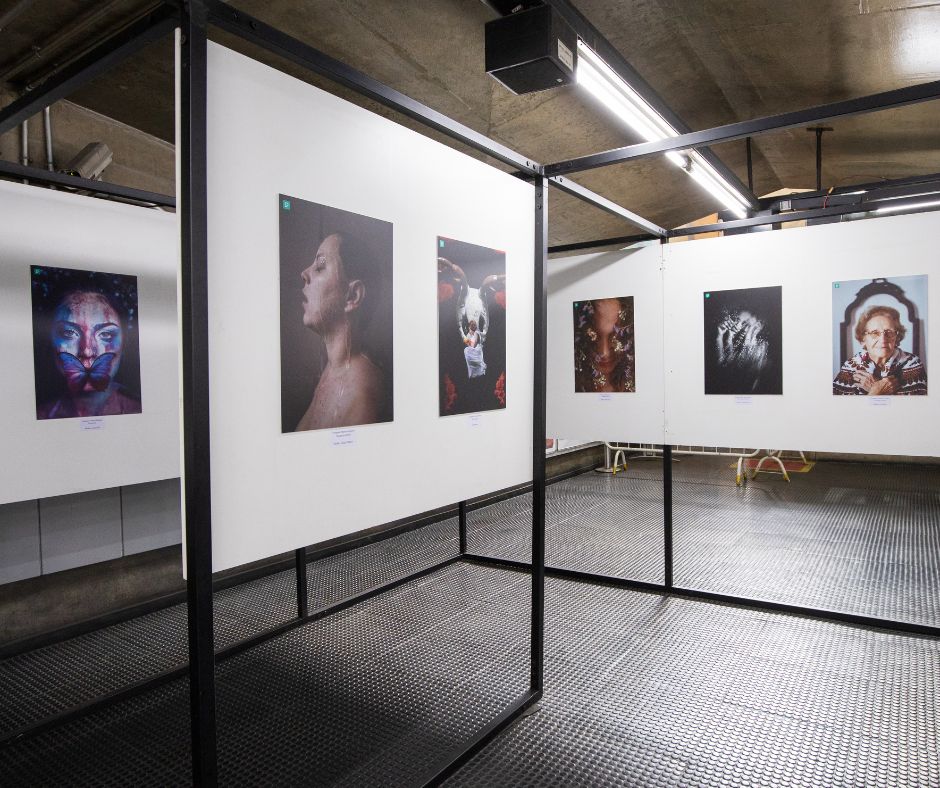
Founded between the 8th and 10th centuries, Brussels rapidly emerged as a significant trade centre. Throughout its history, it has been ruled by various powers, including the Spanish, Austrian, French, and Dutch. It attained the status of the capital of an independent Belgium in 1830. Brussels prides itself on being more than just a city of culture; it identifies as a ‘city of cultures.’ Situated in a federal state comprised of regions and linguistic communities that speak Dutch, French, and German, Brussels serves as the central hub. In 1989, it gained recognition as a region in its own right, officially becoming the Brussels-Capital Region.
It plans for renovations to many key cultural buildings in the future, including the Brussels Stock Exchange, Town Hall and Maison du Roi. The city will also include a focus on promoting intangible heritage like puppetry, folklore traditions, and local dialects.
Art collectors have taken on more prominent roles in the cultural landscape, opening 12 private galleries and art centres in the past decade, including Garage Cosmos, Royal Ice Rink, and the Loft of Alain Servais. Many of these establishments also provide additional cultural services, ranging from workshops to emerging think tanks like ThalieLab.
Community engagement, social impact and policy innovation
Today, Brussels boasts a population of over 1.2 million, experiencing rapid growth since the mid-1990s. It stands as an exceptionally diverse city, with 62% of its residents being foreign-born. In addition to serving as the de facto capital of the European Union, Brussels also acts as a base for numerous other international institutions, including NATO. Over 50,000 Brussels residents are employed directly by these institutions, and the entire EU working community is estimated to number around 275,000. Brussels enjoys the advantage of relatively moderate housing costs and proximity to a wide array of green spaces.
Despite Brussels being one of the wealthiest European regions in terms of GDP per capita, it grapples with a high unemployment rate, and over a third of its population is vulnerable to poverty.
In recent years, Brussels has undergone a cultural renaissance. Once perceived primarily as a symbol of European bureaucracy, it has evolved into a new hub of the European art scene. Artists and a considerable number of collectors have been drawn to the city due to its internationalism and relatively affordable rents.
Images copyright © Getty Images/Canva