How Seoul’s Outdoor Libraries redefined public reading spaces across the city
Project: Transforming public spaces into vibrant hubs for reading and cultural engagement
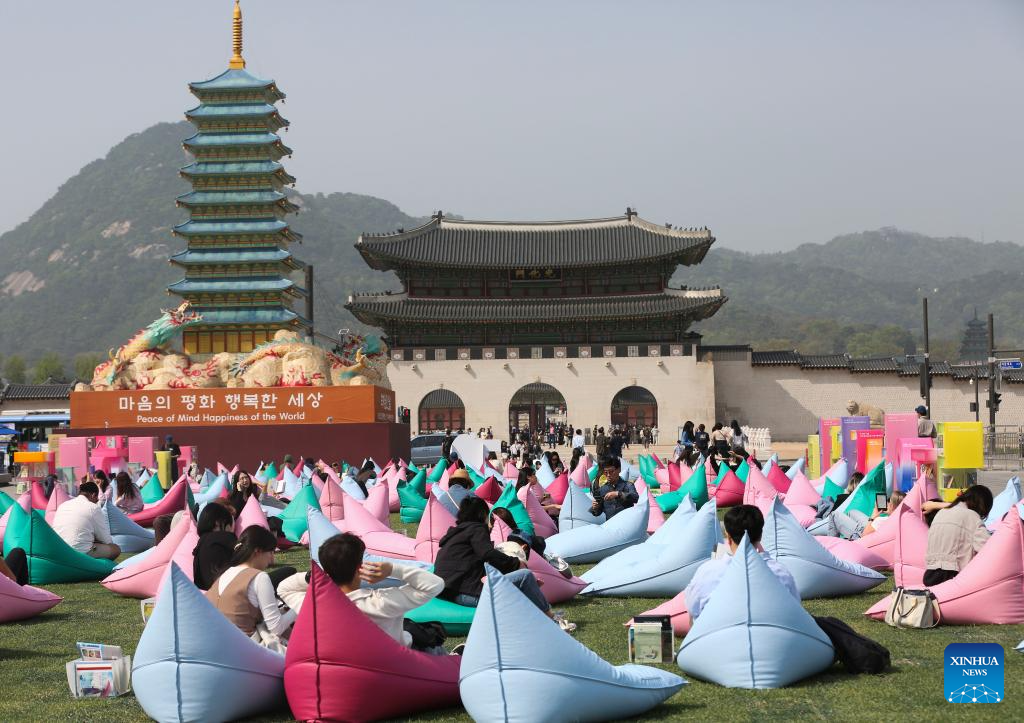
Seoul’s Outdoor Library initiative, launched in 2022, redefines urban public spaces by transforming them into open-air reading environments. With installations in Seoul Plaza, Gwanghwamun Square, and Cheonggyecheon Stream, the programme offers diverse literary and cultural experiences. Attracting over five million visitors by 2024, it has revitalised reading habits, inspired nationwide adoption, and earned international recognition, showcasing the power of innovative cultural policy in urban settings.
Addressing the decline in reading culture
Seoul faced a shortage of public reading spaces, and conventional libraries were often perceived as formal and restrictive, catering primarily to students and researchers. As a result, residents had limited opportunities to engage in casual reading. In tandem, the rise of smartphones and social media contributed to a decline in reading habits. To address these issues, there was a need for a more engaging, accessible, and open reading space that would encourage people to embrace reading as an enjoyable activity.
The Outdoor Library initiative aimed to rekindle interest in reading by providing informal, welcoming environments that encourage citizens to engage with books and each other. Outdoor libraries were established in key locations, each offering a unique ambiance. Seoul Plaza serves as a communal “living room” integrated with nature; Gwanghwamun Square provides an “urban retreat”, a peaceful literary getaway in the heart of the city; and Cheonggyecheon offers a tranquil environment for immersive reading. These spaces operate seasonally, three days a week, accommodating weather conditions to ensure a comfortable experience for visitors.
A diverse cultural programme in outdoor library spaces
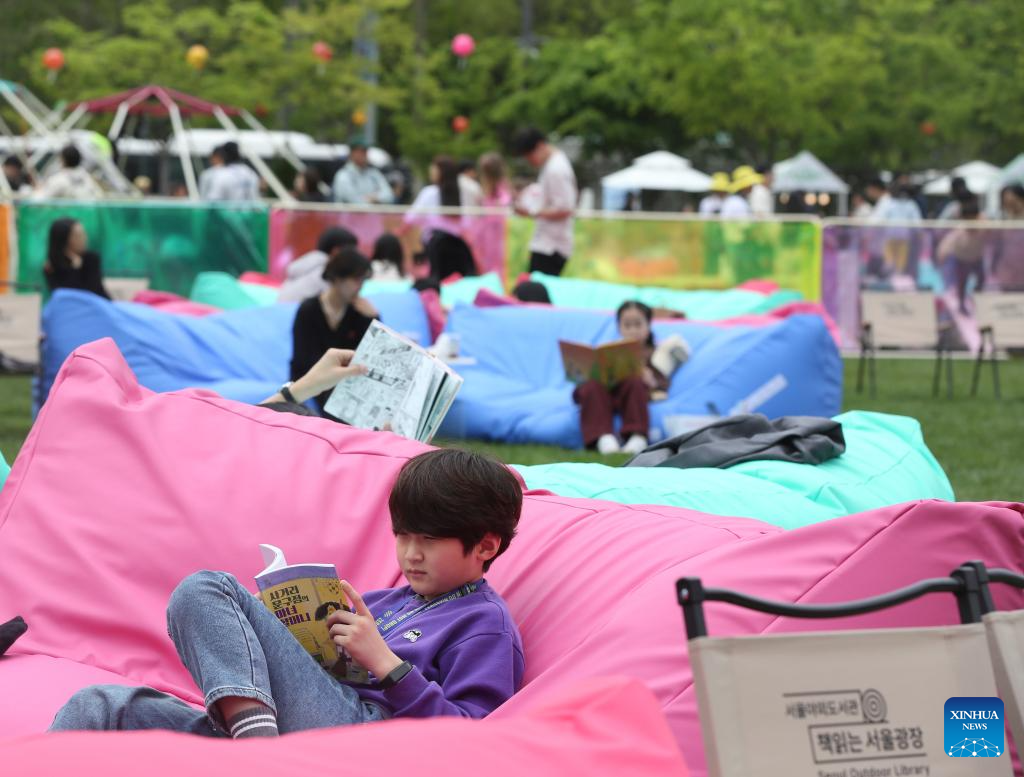
Beyond providing access to a curated selection of 12,000 books, the Seoul Outdoor Library hosts various cultural events, including night reading sessions, outdoor theatre shows, literary concerts, and international book exhibitions. Collaborations with embassies and cultural centres have enriched the programme, offering global perspectives through the “Global Travel Library”. Local governments have also participated by organizing a “Companion Market”, connecting citizens with regional food products and fostering community ties.
Starting a movement of outdoor libraries
The initiative has significantly impacted Seoul’s cultural landscape. By 2024, the Seoul Outdoor Library had welcomed over five million visitors, with 85.4% engaging in reading activities and a 91.3% satisfaction rate among attendees. 80 municipalities across South Korea have been inspired to adopt similar models, highlighting Seoul’s influence on national cultural policy. Internationally, it has garnered accolades, including the IFLA Library Marketing Award and recognition as an OECD Government Innovation Best Practice.
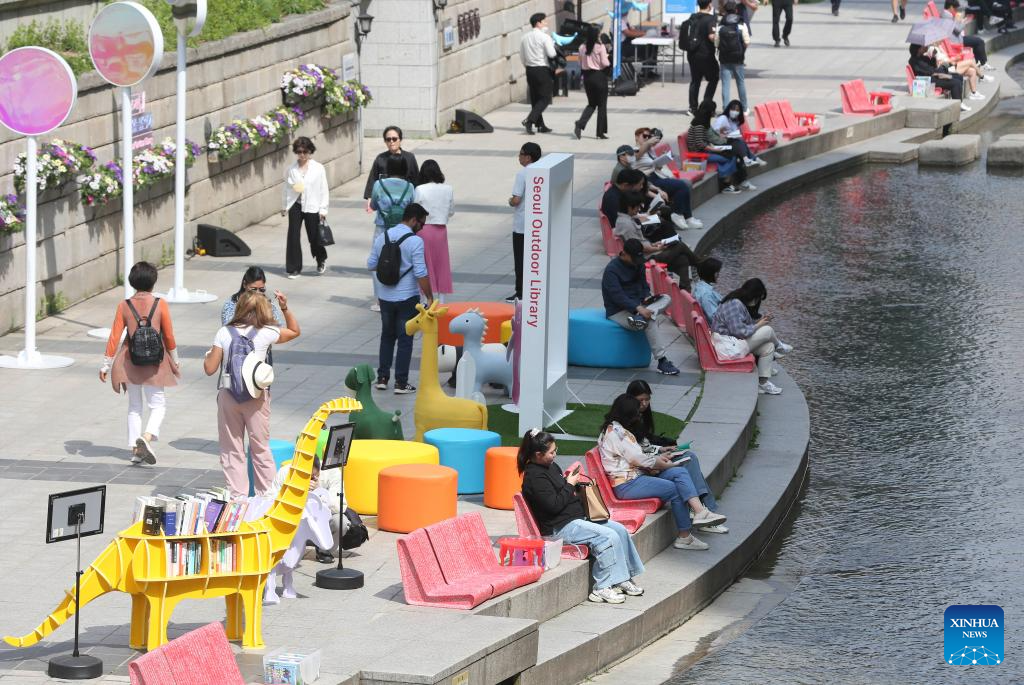
Beyond simply providing reading spaces, the Seoul Outdoor Library transformed reading into a cultural movement, encouraging greater civic participation and fostering a love for books in urban life. It exemplifies how reimagining public spaces can foster a culture of reading and community engagement.
By integrating literature into the daily lives of citizens and transforming urban areas into accessible cultural hubs, Seoul has set a precedent for innovative library services worldwide. This initiative underscores the potential of public policy to adapt to contemporary challenges and enhance the cultural vitality of cities.