Seoul’s open-air museum: a quest to inspire deeper cultural encounters
Project: public art programme ‘Seoul is Museum’ on the streets of Seoul
The Purpose
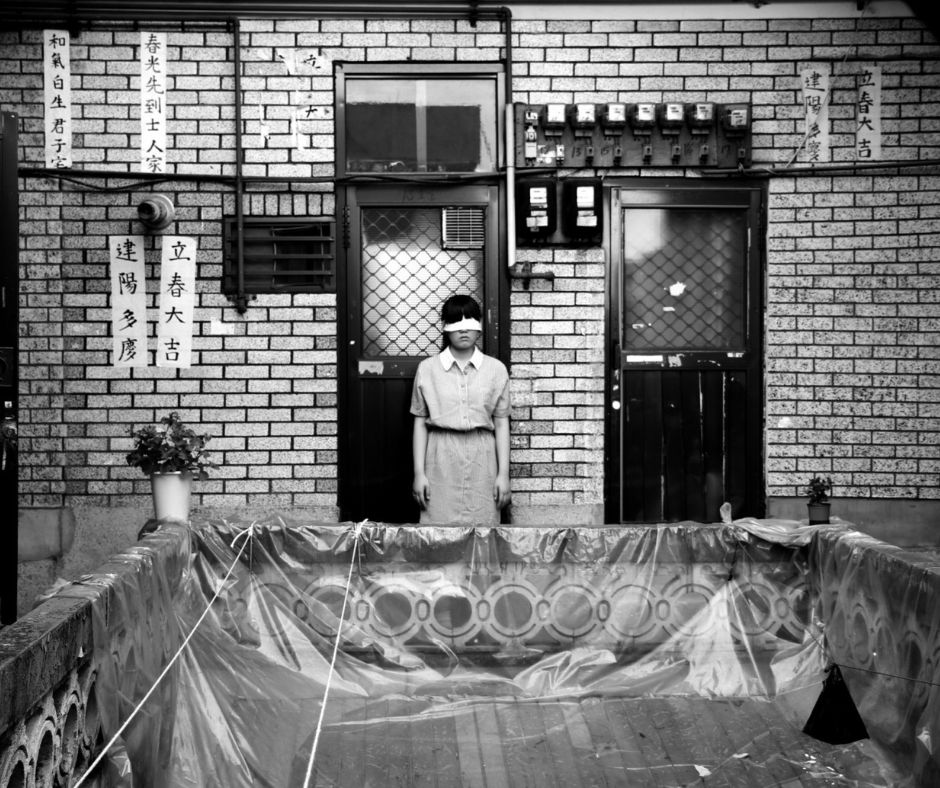
Launched in 2016, ‘Seoul is Museum’ is a citizen-led public art programme that aims to cultivate a profound relationship between public spaces and the art displayed there, as well as to generate new artworks that resonate with the people who pass through these areas. Existing public art sculptures are systematically evaluated, considering their integration into the surrounding landscape and urban planning.
‘Seoul is Museum’ promotes public art that encourages citizens to discover and derive meaning from it, rather than merely walking by without engaging. It strives to create spaces where visitors take the time to appreciate art, reflect on life, reminisce, and connect with the community. The ultimate aspiration is for the entire city to become an open-air art museum.
The Challenge
To create cultural spaces in the city where the public can appreciate art, fostering a connection and understanding, rather than simply passing by and ignoring it.
Seoul is Museum challenges the idea that public spaces are a shared resource for all citizens, not to be monopolised by certain individuals and that future generations must be considered.
The Solution
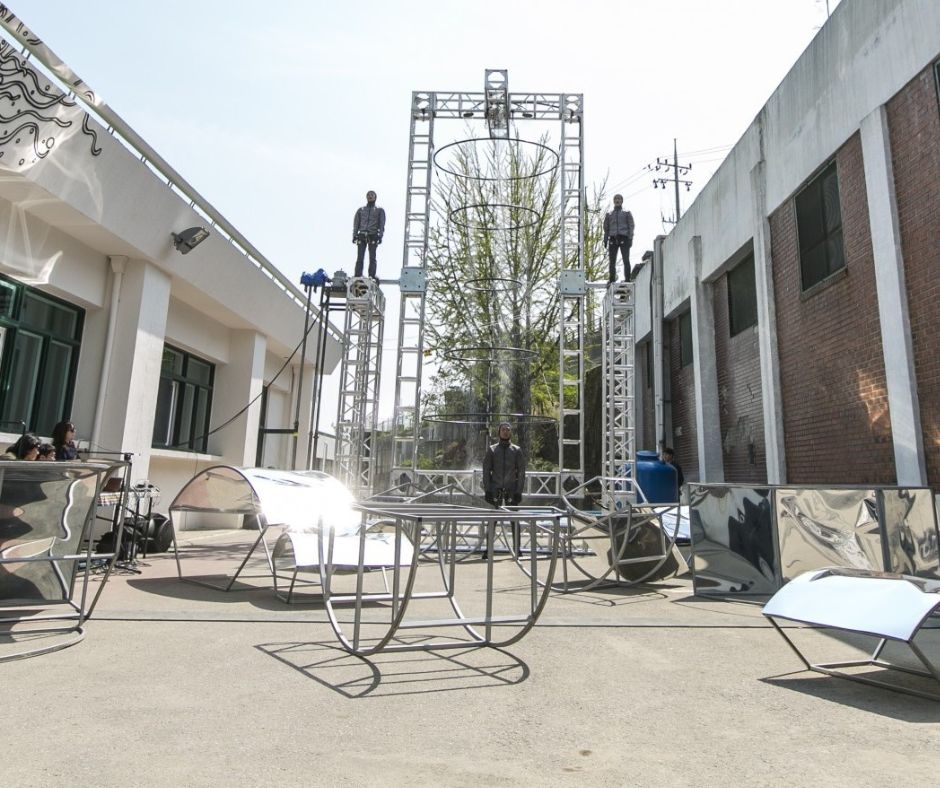
Many of its projects involve the creation of meaningful spaces by installing public artworks that harmonise with everyday urban environments. In 2018, the Noksapyeong Station Underground Art Garden offered a space adorned with over 600 plants, playing on the original meaning of Noksapyeong as a field covered in lush green grass. The 2019 ‘Hongje Flexible’ project reopened the lower space of Eugene Shopping Centre, which had been closed since the Korean War, transforming it into a luminous area that brought people together, united by the waters of the Hongjecheon Stream.
Through the ‘Seoul is Museum’ programme, citizens are transformed from passive observers to active collaborators and creators who propose ideas and organise their own works. For example, in the Manri-dong Media Canvas project, citizens’ video works are displayed on a large screen in the city centre.
The Seoul Metropolitan Government (SMG) oversees the operation of ‘Seoul is Museum’. Each artwork commissioned through ‘Seoul is Museum’ has a defined life cycle, from its initial creation to a review point when its future is determined. For instance, works with a five-year life cycle are exhibited to citizens for five years and then reviewed for possible extension, preservation, relocation or disposal.
The Impact
This life cycle concept contradicts the traditional notion that public art sculptures should be permanently fixed in place after installation. It reflects the idea that public spaces are a shared resource for all citizens, not to be monopolised by certain individuals and that future generations must also be considered. By circulating public art in tandem with the ever-changing city, the goal is to establish a more meaningful public art system for vibrant cities.
The Public Art Committee convenes monthly to deliberate and provide input on projects, and an annual public art conference is held to present data and results from all projects while discussing new policies. The SMG has a dedicated public art team with its own budget to develop policies, manage the program, and implement public art projects.
Source: World Cities Culture Report 2022
Images Courtesy © City of Seoul