A Voice for Youth in Montréal
Project: Improving youth-led library services and shaping a manifesto of youth for arts and culture
Montréal is embedding youth voices into cultural policymaking through two initiatives – A Library That Looks Like Me and the Manifesto of Montréal Youth for the Arts and Culture. These programmes engage children and teens in co-designing library services, contributing to cultural policy and fostering inclusive civic participation.
Empowering children through library co-design
A large proportion of the Montréal population, including many children, do not use library services. Allowing them to have a say in the services offered by their library is a way to influence their library use, increase their sense of belonging to a community and spark their awareness of the impact they can have by sharing their opinion.
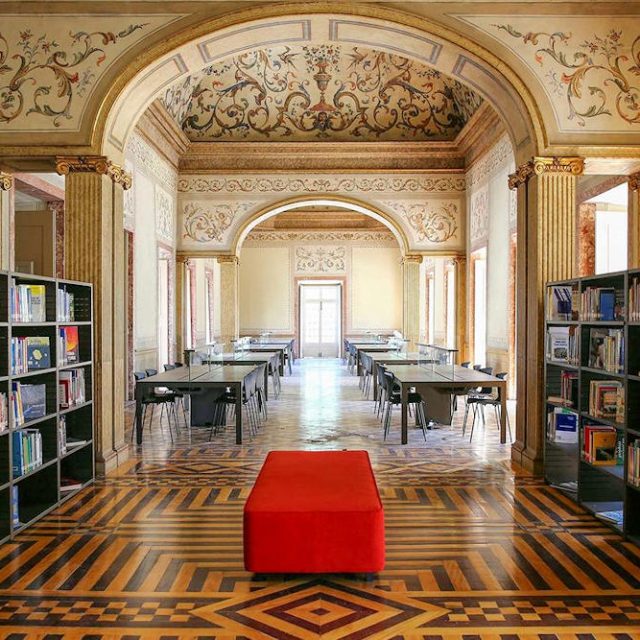
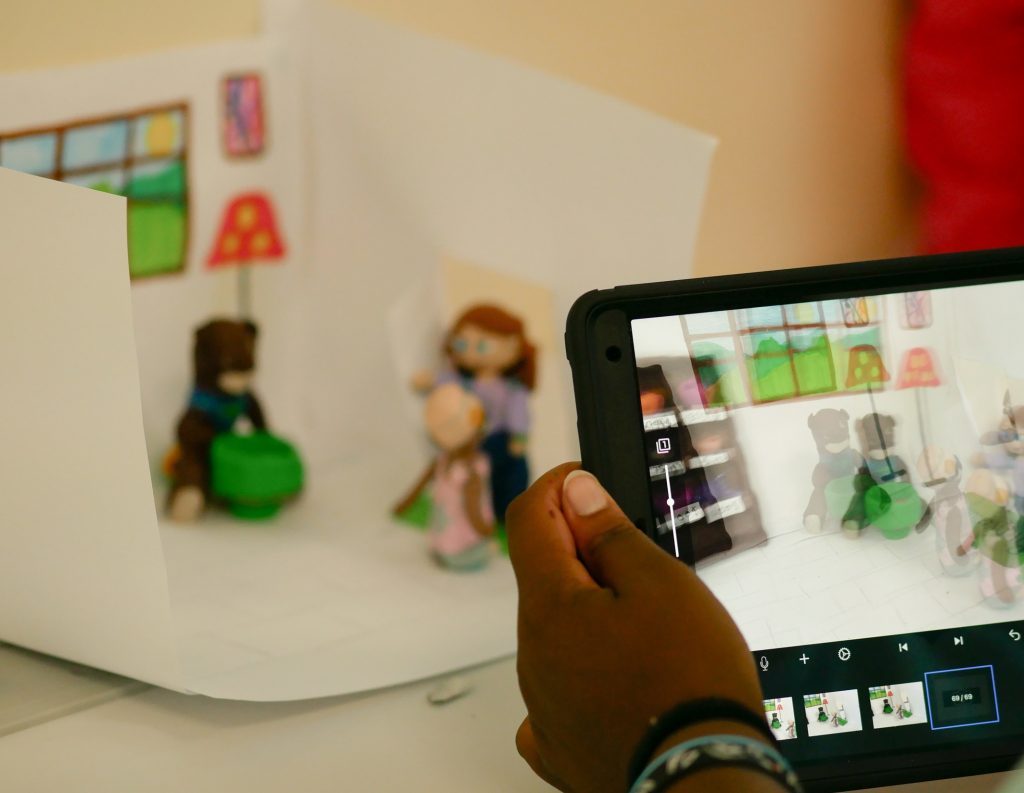
In 2023–2024, the Montréal Public Library system, in collaboration with C-MTL and Metalude, launched A Library That Looks Like Me. This initiative engaged children aged 4 to 13 in co-creating library services. The prototyping phase developed accessible tools for collecting children’s ideas, aiming to expand across the library network in the coming years. By involving children in decision-making, the project seeks to increase library usage and foster a sense of community belonging.
Youth manifesto shapes cultural policy
Starting in April 2024 – in conjunction with consultations related to Montréal’s Cultural Development Policy – a team from the Culture Department, working closely with borough cultural mediators, began an innovative consultation in Montréal neighbourhoods based on cultural mediation strategies tailored to the needs and realities of more than 850 young people aged 4 to 17. Using artistic and creative methods for each age group, the team gathered their visions, challenges, and ideas for transforming their cultural metropolis.
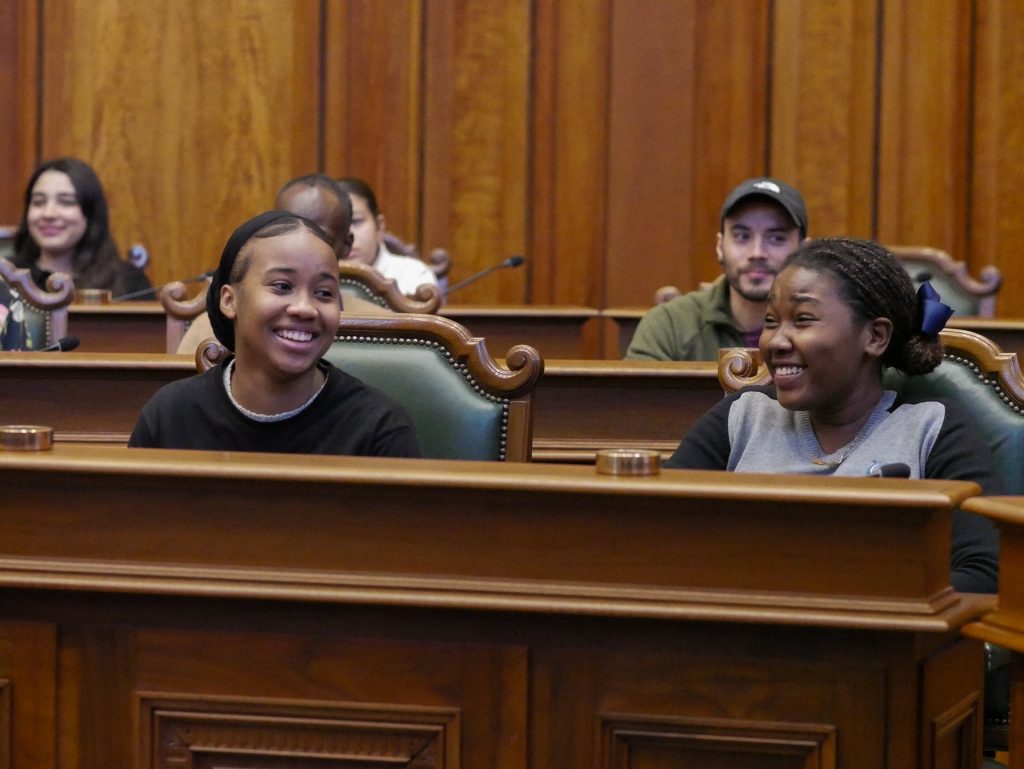
On November 15, 2024, more than 150 of those young people came to City Hall, accompanied by their teachers, community workers, and cultural mediators from Montréal boroughs, to submit their Manifesto and present it to the City’s Commission sur la culture, le patrimoine et les sports. They were able to understand the municipal democratic mechanisms in the city council chamber and discover the exhibition of their works. Their presentation to the Commission, made by two young artists delegated by the group, unveiled in the form of a slam a synthesis of their collected voices, the Manifesto of Montréal Youth for the Arts and Culture. As a result, the new cultural development policy will make youth a priority.
These two projects demonstrate the city’s commitment to balancing power dynamics between adults and children in cultural decision-making. By embedding youth perspectives and desires into municipal services and strategies, Montréal is fostering a more inclusive and representative cultural environment.