How the world’s oldest transport network is changing to embrace cultural diversity in London
London’s transport system is changing its famous map to improve access and reflect the city’s rich history
The Purpose
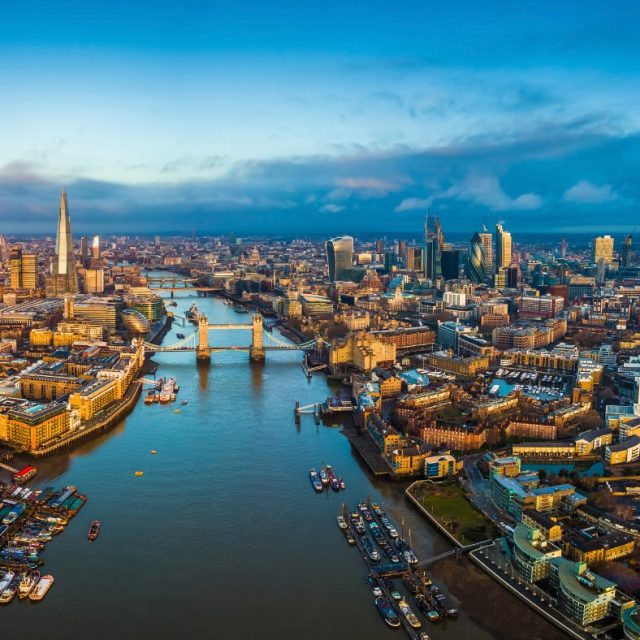
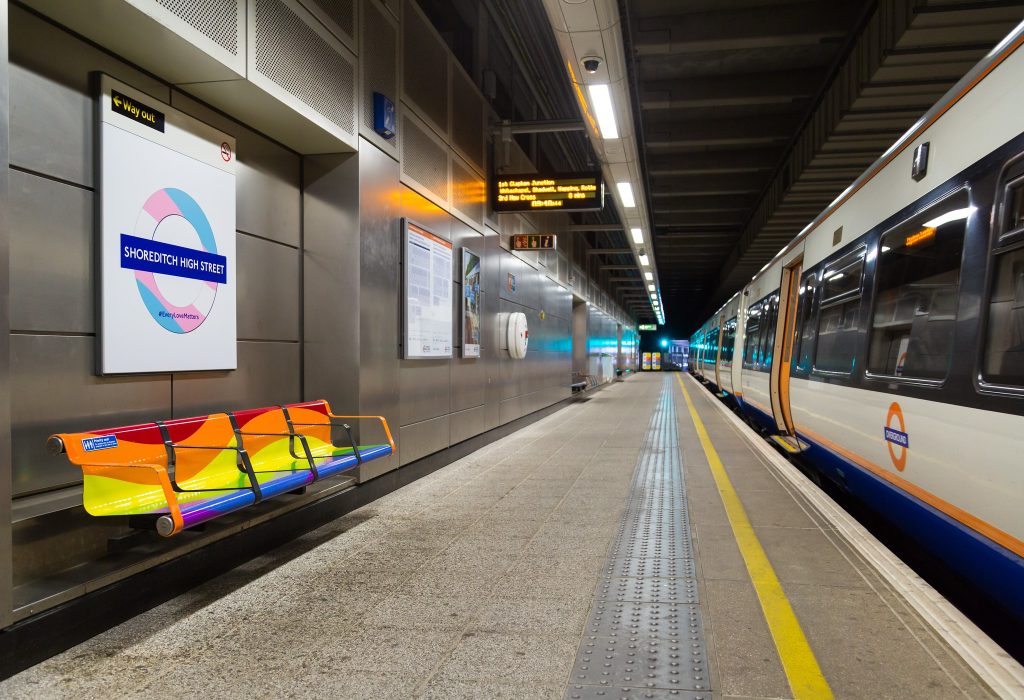
London’s famous Underground (or Tube) system is the oldest in the world, first opening in 1863. Today, London’s transport network has expanded to include a range of different transport modes, including trams, buses and trains. The ‘London Overground’ is a series of outer suburban rail lines that are managed by Transport for London, growing from one line in 2007 to six different routes today.
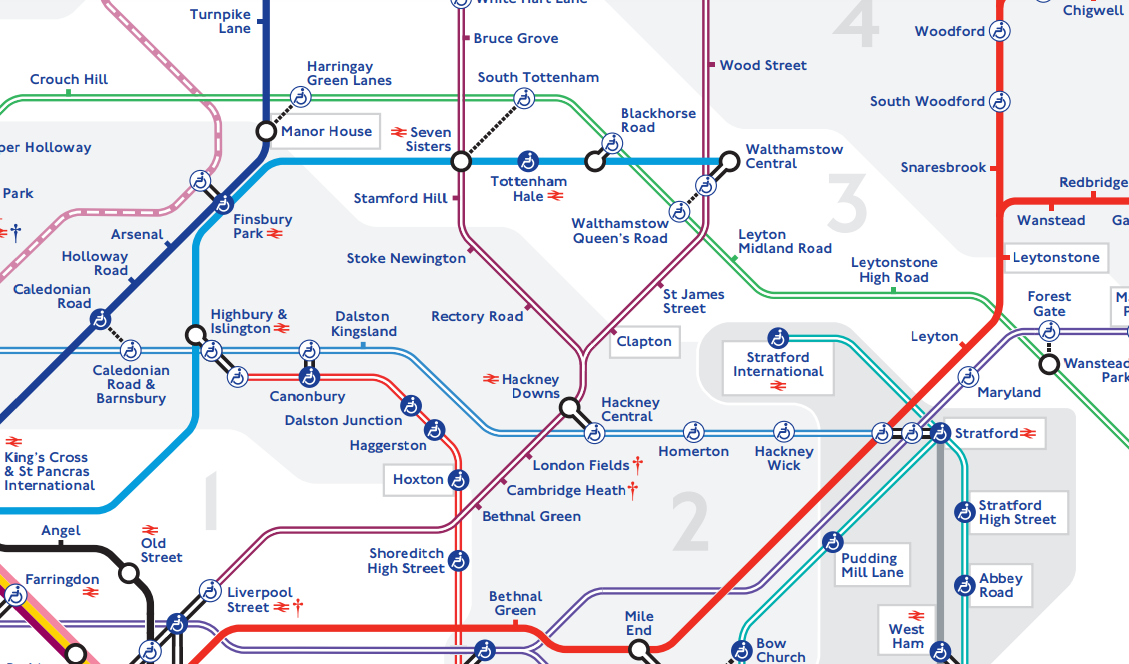
As the network expanded, new rail lines were added to the famous Tube map under the ‘London Overground’ orange branding, despite being a set of completely separate routes. With more lines being added, the map was getting increasingly crowded, which led to concerns that ‘Overground’ lines were difficult to navigate for transport users. In 2023, Transport for London announced that each ‘Overground’ line would be given a unique name to make it easier for users to understand the separate routes.
It was important that new rail line names reflected London’s diverse history and culture
The Challenge
Changing the name of any major infrastructure is a complex task, especially when it used by millions of passengers each year. London’s Tube map, first created by Harry Beck in 1931, is as a design classic. It shapes the way that Londoners and visitors understand the city’s geography and recognises it’s history, with many lines named after Monarchs, such as the Elizabeth Line. London’s diverse history and culture have always played a significant role in shaping the city and it was important for the new rail line names to reflect this diversity. Announcing the changes, the Mayor of London said that it was a chance to “give Londoners the opportunity to tell more of our city’s diverse story and put some of our forgotten people and places back on the map.”
The Commission for Diversity in the Public Realm is an initiative established by the Mayor of London with a mission to establish greater visibility in the public realm of a wider, diverse and more representative story of London. The Commission’s role is to enrich and add to the current public realm, and advise on better ways to raise public understanding behind existing statues, street names, building names and memorials.
Transport for London collaborated with the Commission and subject matter experts in the London City Hall’s Culture and Creative Industries and Community engagement teams to help design a framework for the approach to naming the new lines that would challenge assumptions and help think differently about how to engage with communities. The Commission’s core values helped Transport for London to establish an engagement approach which provided invaluable insight into London’s diverse histories and untold stories.
The Solution
The result is six distinct new line names which each reflect a different part of London’s history and communities. For example:
- The Windrush line runs through areas with strong ties to Caribbean communities, such as Dalston Junction, Peckham Rye and West Croydon. It honours the Windrush generation who continue to shape and enrich London’s cultural and social identity today.
- The Suffragette line celebrates how the working-class movement in the East End fought for votes for women and paved the way for women’s rights.
- The Mildmay line, which runs through Dalston, honours a small charitable hospital in Shoreditch that has cared for Londoners over many years, notably its pivotal role in the HIV/AIDS crisis in the 1980s, which made it the valued and respected place it is for the LGBTQ+ community today.
The Impact
The new line names will be gradually rolled out and Transport for London will engage with Londoners and local communities about the new line names and how they can help tell some of the important stories of London’s rich cultural diversity behind the line names. The project represents a successful example of cross departmental working, with cultural and transportation teams working together to improve the city.
Images copyright Transport for London