How is San Francisco using tourism tax to boost arts and culture?
A creative city funding model using tourist tax revenue to sustain San Francisco’s arts ecosystem and strengthen cultural infrastructure
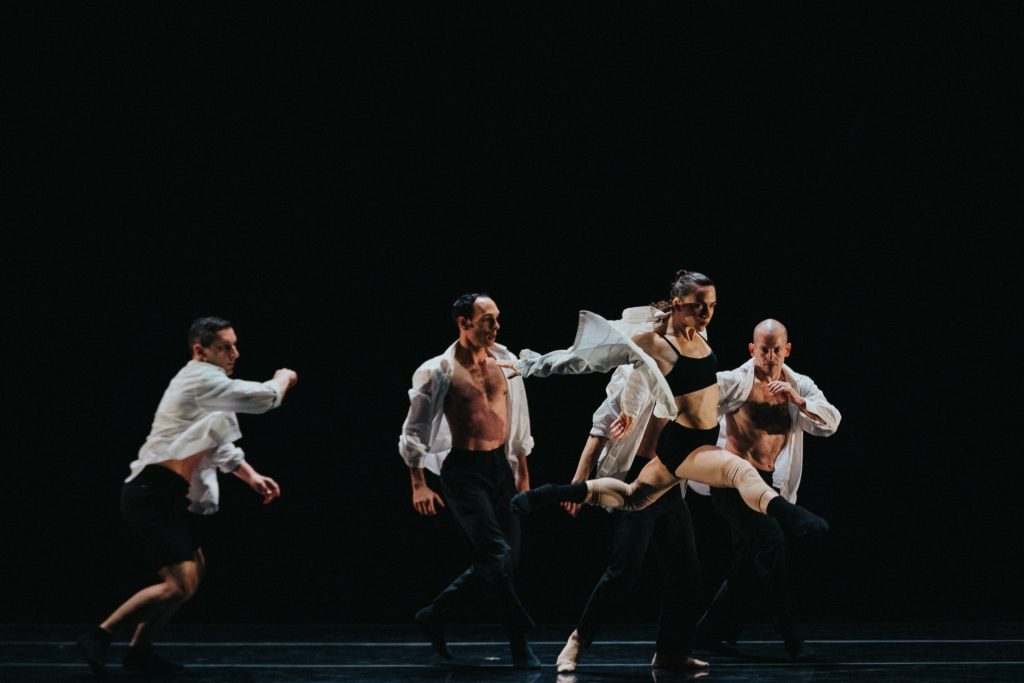
By visiting San Francisco to experience its culture, travellers would directly contribute to its future financial security.
Guest blog by Brenda Tucker, Director of Arts Marketing at San Francisco Travel Association
The San Francisco Travel Association, in its role as the city’s tourism board, has always featured local arts and culture as a key reason for visiting San Francisco. San Francisco Travel works with local cultural organisations to promote their programmes, including Creativity Explored, the Museum of Craft and Design, San Francisco Opera and SOMArts Cultural Center.
San Francisco is a global “bucket list” destination and one of the top five tourism destinations in the U.S. Historically, the city has drawn tens of millions of visitors annually and has been a favourite location for business conventions.
The Challenge
Yet, before 2018, the ability for San Francisco Travel and its cherished arts organisations to effectively promote the city’s diverse cultural offering was compromised by limited funding and resources.
Additionally, the City of San Francisco’s financial backing for the arts came solely from its General Fund. With many city services fiercely competing for this pot of money, the City’s contribution to arts funding was neither consistent nor guaranteed.

The Solution
That’s why in 2018, San Francisco Travel joined San Francisco’s Grants for the Arts and other local cultural institutions in advocating for the passage of ‘Proposition E’ – a citywide law that would allocate a percentage of the citywide hotel tax to culture – specifically to non-profit arts and culture organisations, artists, and creative programming.
Voters passed Prop E by an overwhelming 74%, ensuring that San Francisco’s creative community would have a dedicated source of funding independent of ticket sales, merchandising, or individual fundraising. The arts and culture programme at San Francisco Travel is predominantly funded by Grants for the Arts, which is supported through the hotel tax. By visiting San Francisco to experience its culture, travellers would directly contribute to the future financial security of the city’s cultural workers and organisations.
But the available funding from Prop E was tied to hotel tax revenue; and when tourism came to a halt during the COVID pandemic, a new strategy was needed.
To both support our city’s endangered cultural institutions and rebound hotel occupancy, San Francisco Travel launched a first-of-its-kind marketing campaign in North America, in partnership with Expedia, to specifically target travellers with an interest in the arts. A virtuous circle was born.
Setting keyword search terms like “museums,” “gallery,” “creativity,” on the Expedia website allowed us to target domestic users with new marketing assets, such as this video showcasing San Francisco’s diverse cultural institutions and artists across various disciplines and interests. Campaign efforts were supplemented with organic and paid social outreach, email marketing, and a featured landing page on our site.
The Impact
The campaigns resulted in more than 75,000 room nights booked in 2023. More so, the average daily hotel rate for this audience segment interested in the arts exceeded all others, demonstrating to our stakeholders that attracting the culturally curious traveller meant more attention for local businesses.
And because these travellers were willing to pay such high daily rates, the taxes on their stays were higher. In fact, the hotel tax revenue generated by the campaign was nearly $2.5 million. A portion of that sum went to the Prop E arts funding, thus restarting the virtuous cycle. These campaigns have won the top awards from Visit California, our states travel board, and US Travel.
What the successes of our Prop E lobbying and post-pandemic cultural campaigns prove is that your city’s tourism and arts communities can and should be working together. These two industries are essential to any city’s prosperity and character. Build relationships, establish consensus, and elevate your destination—both for your visitors and for yourselves.