Heritage Innovation: How Guangzhou developed its intangible heritage into culture-led design and lifestyle products
Project: Revitalising Lingnan culture with Guangzhou’s ‘Recommended Gifts from the Bay Area’ initiative

‘Recommended Gifts from the Bay Area’ is a cultural innovation initiative from Guangzhou that transforms Lingnan intangible heritage – like food, opera, and folk festivals – into modern design products. Through creative reinterpretation of traditions such as the ‘Pantang’s Five Treasures’ and lion dance, the initiative promotes cultural identity, stimulates the creative economy, and shows how urban policy can integrate heritage into everyday life for global audiences.
Making intangible cultural heritage tangible to enhance urban identity, civic pride, and economic vitality
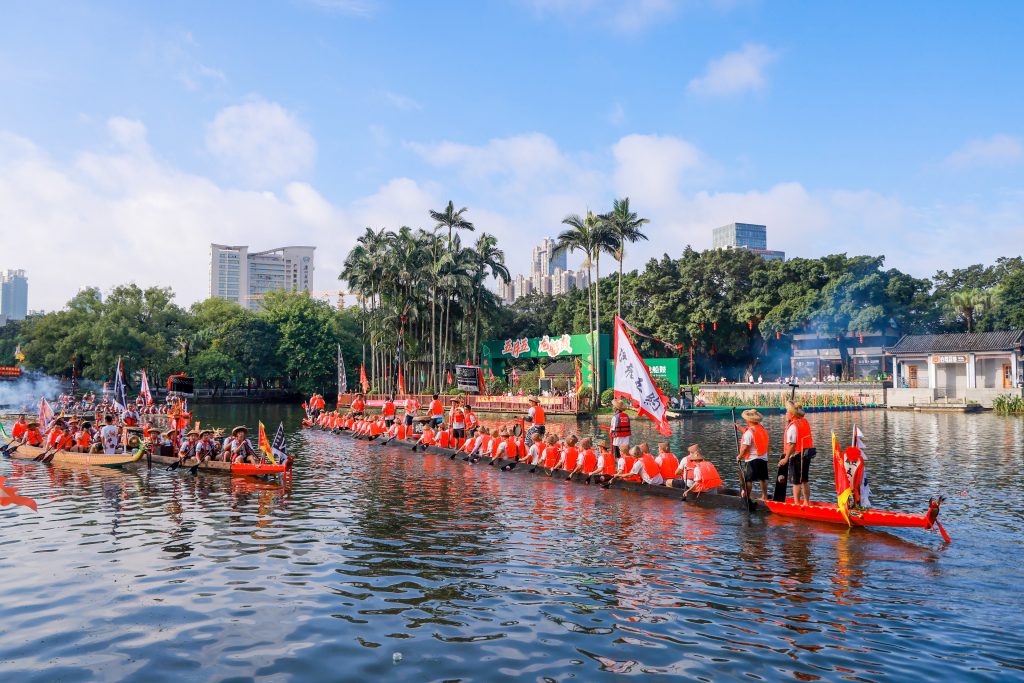
The Guangdong-Hong Kong-Macao Greater Bay Area is a dynamic region known for its rich Lingnan cultural heritage. From Cantonese opera to dragon boat racing, this region has long served as a cradle for diverse traditions. But in today’s global and urban context, preserving these traditions requires more than documentation – it demands reinvention.
Guangzhou, one of the region’s cultural leaders, has launched the ‘Recommended Gifts from the Bay Area’ initiative to connect heritage with innovation. By applying contemporary Chinese design thinking to ancient customs, the initiative exemplifies how cities can activate intangible cultural heritage to enhance urban identity, civic pride, and economic vitality.
For example, recommended gifts include a reinterpretation of ‘Pantang’s Five Treasures’ – five aquatic plants historically cultivated in Guangzhou: lotus root, water chestnut, water caltrop, water bamboo, and arrowhead. Traditionally used in regional cuisine, these plants are now the basis for products like the Five Treasures cups. These collectable cups, shaped in the style of imperial ceramics and glazed in vibrant lemon yellow, each depict one of the five plants. By blending the aesthetics of imperial China with local agricultural culture, the product bridges ancient symbolism and modern consumer appeal – making heritage both visible and usable.
A design-led cultural policy approach
Cantonese opera, another hallmark of Lingnan culture, is also reinterpreted through product design. The art form, deeply intertwined with local beliefs and folklore, is honoured through curated storytelling and visual motifs in packaging and textiles.
Festival culture is similarly celebrated. The ‘Lion Dance cultural gift box’ reduces the lion’s head to geometric patterns, translating performance art into daily-use items like stationery and home decor. These reinterpretations elevate intangible heritage from stage to household, reinforcing everyday cultural identity.
Products such as the ‘Xiguan style multi-purpose bag’ – featuring dragon boat motifs and detachable lion ornaments – combine functionality with storytelling. By embedding cultural symbols into practical goods, Chinese designers and policymakers ensure heritage is no longer static or niche but dynamic and accessible.
This policy-led initiative has been endorsed by the Guangzhou Municipal Government and showcased at international design exhibitions, positioning the city as a cultural innovation hub.
‘Recommended Gifts from the Bay Area’ serves as more than a Chinese creative industry success. It represents a new model for cities aiming to sustain and activate intangible heritage. Rather than isolating culture in museums or festivals, Guangzhou is weaving it into daily life, proving that heritage can be a driver of identity, tourism, and inclusive urban innovation.