Ancient Made New: Beijing’s Intangible Cultural Heritage is at the heart of global exchange and tourism boost
Project: Using Beijing’s unique intangible cultural heritage to cement it as an international cultural capital
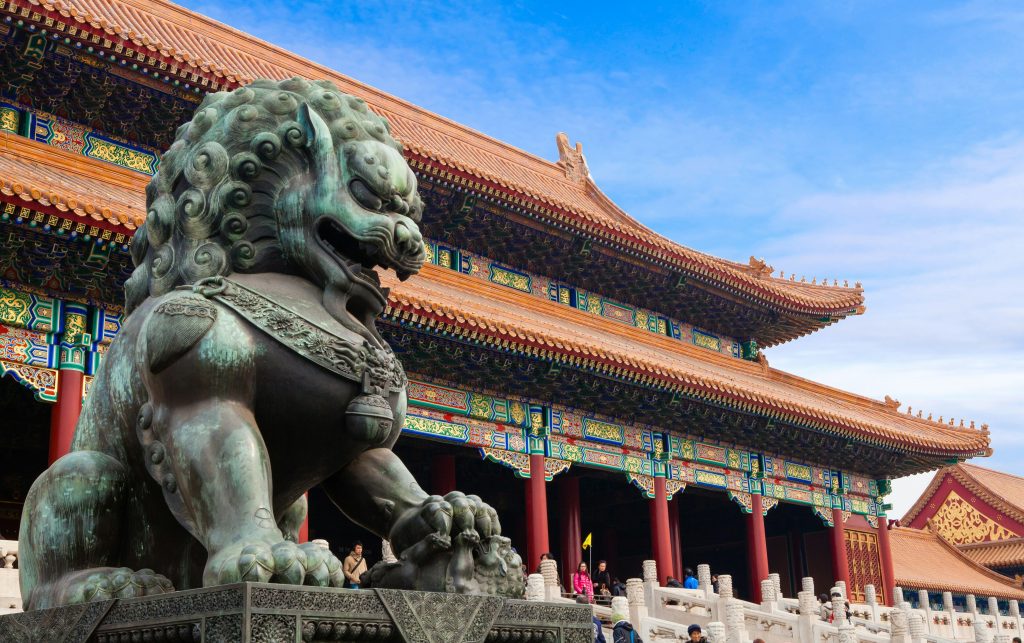
Beijing is home to 447 intangible cultural heritage projects. Thirteen – including silk weaving, tea etiquette and shadow puppetry – are on UNESCO’s List of Intangible Cultural Heritage, the most in China. Leveraging these unique cultural assets, Beijing launched the first International Week of Intangible Cultural Heritage in 2023; and opened the Intangible Cultural Heritage Experience Centre in 2024. Both have enabled Beijing to increase public engagement and boost inbound tourism.
Safeguarding and showcasing intangible cultural heritage in innovative ways
Beijing’s Intangible Cultural Heritage policy adheres to the principle of “prioritise protection, act fast on rescue, use with care, and preserve through innovation”. This has driven the development of the 91,000m2 Intangible Cultural Heritage Experience Centre, opened in 2024. The museum protects and promotes outstanding traditional Chinese cultures, collects and appraises representative arts and crafts of China, and organises relevant exhibitions and performances.
The new attraction has enhanced visibility and public engagement with ancient crafts and performative arts, while achieving innovative and creative ways to make Beijing’s intangible cultural heritage accessible. Through demonstrations and performances of century-old arts and crafts, China and Beijing’s ancient stories are brought back to life, while preserving traditional Chinese culture.
Focusing on intangible cultural heritage as the driver for cultural growth
Beijing is home to 144 national and 303 municipal Intangible Cultural Heritage projects. The city’s Municipal Bureau of Culture and Tourism put these unique cultural assets at the heart of their cultural growth strategy.
Anchored in Beijing’s strategic role as the nation’s capital, Intangible Cultural Heritage aims to contribute to Beijing’s development as a national cultural centre and a global tourism destination as a city of museums and books, and a capital of performing arts. To support this, diverse performing art spaces are being developed, to enhance high-quality artistic creation, nurture local performing arts organisations, and optimise the performing arts ecosystem. This is increasing the quality and quantity of cultural products available to residents and visitors alike.
Fostering international cultural exchange and understanding
In 2023, Beijing’s Municipal Bureau of Culture and Tourism launched its first International Week of Intangible Cultural Heritage. The event showcased heritage from 39 countries across five continents and invited international visitors to experience China’s intangible cultural traditions, including traditional pastries, Beijing-style noodles, lion dances, silk-embroidered ornaments, wood lacquer carvings, calligraphy, and printmaking. This annual celebration affirms Beijing’s role in global heritage dialogue and fosters cultural exchange between Chinese civilization and the wider world.