Art Festival_Seoul: How Seoul unified seven seasonal festivals into a cohesive annual programme
Project: Making art and culture part of everyday city life in Seoul
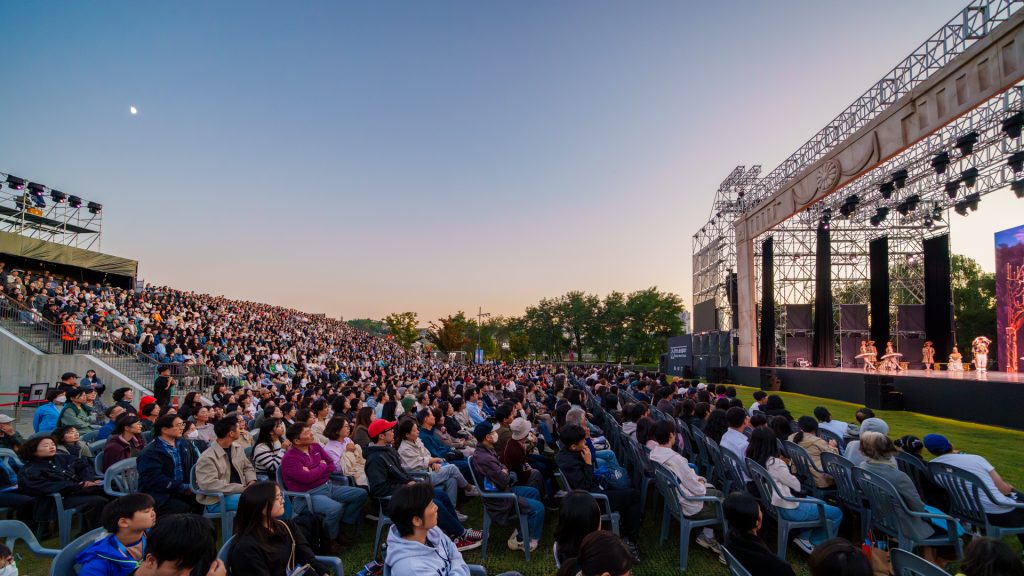
Art Festival _ Seoul merges seven arts festivals into a continuous seasonal format across the year, hosted in central public spaces like Nodeul Island and Seoul Plaza. With expanded programming and improved accessibility services, attendance more than doubled from 2022 to 2024. The festival supports a wider range of artists and offers citizens diverse opportunities to experience culture in everyday life, contributing to Seoul’s post-pandemic cultural renewal.
From fragmentation to integration
With the easing of the pandemic, there was a growing need to expand citizens’ experience of culture and arts in their daily lives as part of the recovery process. Additionally, there was a need to find ways to improve accessibility to the festivals so that both Seoul citizens and tourists could easily access festival information and more people could participate in the festivals. By aligning programming with the rhythm of the seasons and activating symbolic urban spaces, Art Festival _ Seoul set out to transform cultural engagement into a more regular and embedded part of daily life.
Expanding opportunities for cultural and artistic enjoyment
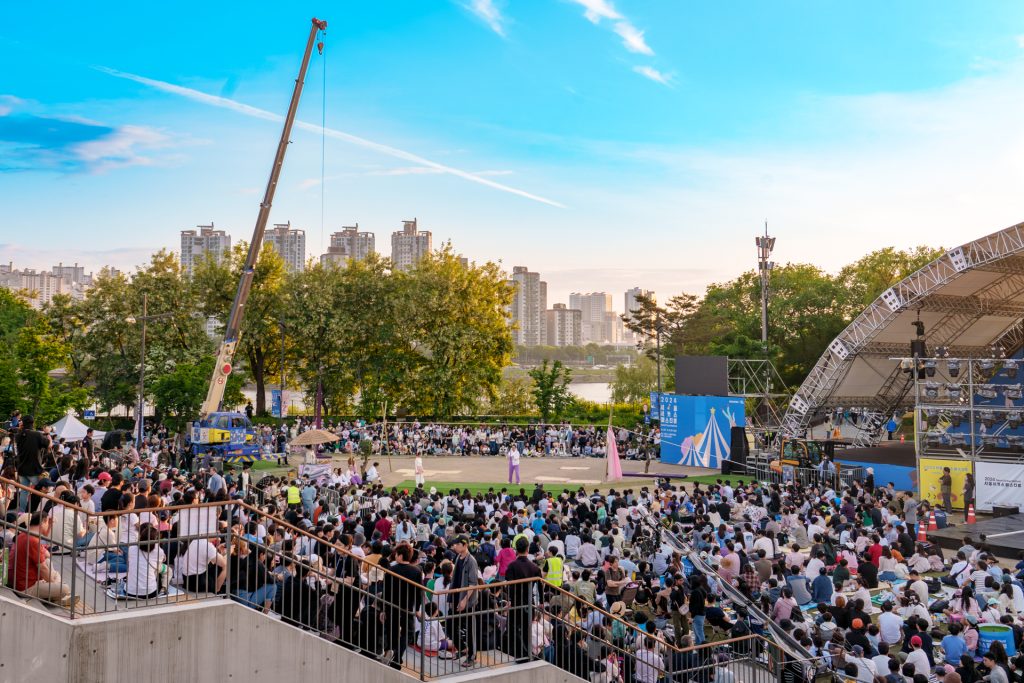
A core feature of the new approach was to host festivals in key civic spaces across Seoul, including major landmark Nodeul Island, Seoul Plaza, and Culture Station Seoul 284. These public sites — already valued for leisure and tourism — were transformed into cultural destinations through events like the Spring Seoul Circus Festival and the Fall Han River Classic, featuring ballet and opera.
The diversity of artistic genres became another hallmark of the new format. Art Festival _ Seoul combines a broad range of cultural and artistic
genres, from popular arts to trends in fusion arts. The Summer Seoul Street Arts Festival and Winter’s “Unfold X” introduced new audiences to emerging trends while honouring local traditions. This genre-mixing strategy broadened the festival’s appeal and deepened its reach across demographic lines.
Enhancing accessibility for all to enjoy the arts
Improving accessibility was central to the festival’s design. The launch of a dedicated website offered comprehensive and timely festival information. Accessibility services — including wheelchair rentals, live captioning, and online reservation systems for people with disabilities — ensured the festivals were welcoming to all, including elderly and mobility-impaired citizens.
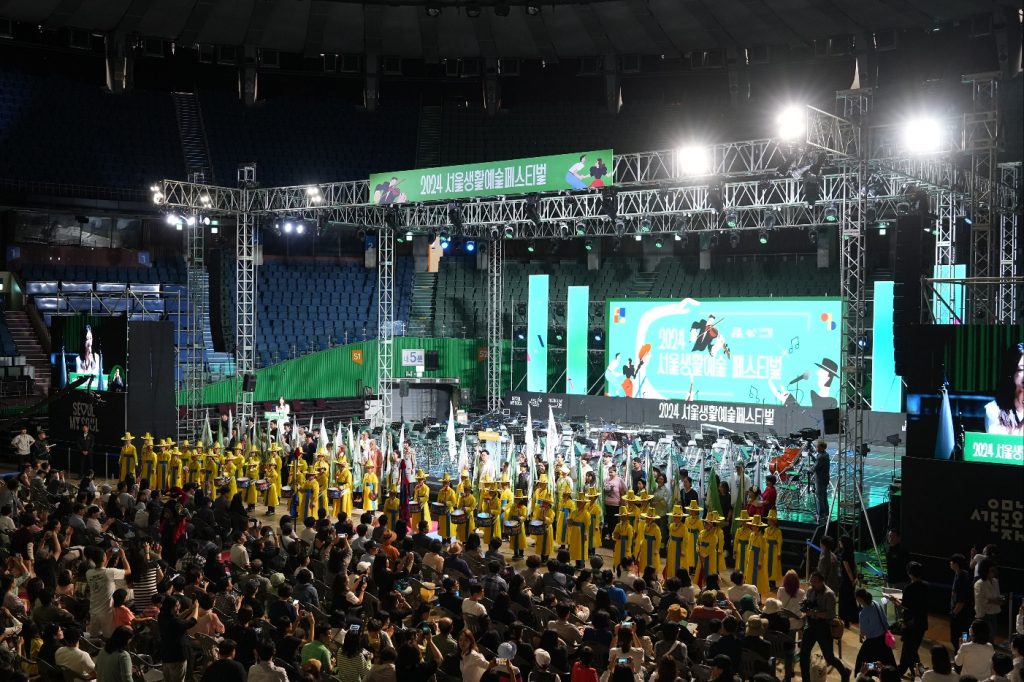
The expanded programming had a direct effect on public engagement. Between 2022 and 2024, the number of festival events increased from 99 to 152, and total festival days grew from 19 to 50. Attendance more than doubled, rising from 137,820 to 307,332 attendees, reflecting the success of the programme in connecting with broader audiences.
Creating a Positive Cycle in the Cultural and Artistic Ecosystem
Art Festival _ Seoul has also benefited artists and the wider cultural economy. The number of participating artists increased by 77%, from 1,241 in 2022 to 2,193 in 2024. This growth enabled more creative practitioners to gain exposure, collaborate, and contribute to civic life. As artists bring their work into public space, they also expand the public’s exposure to diverse cultural experiences, creating a feedback loop that sustains both creativity and participation.