A Place Becoming: Anchoring community amid urban change in Oslo
Project: Engaging marginalised communities in Mortensrud in urban development through public art installations
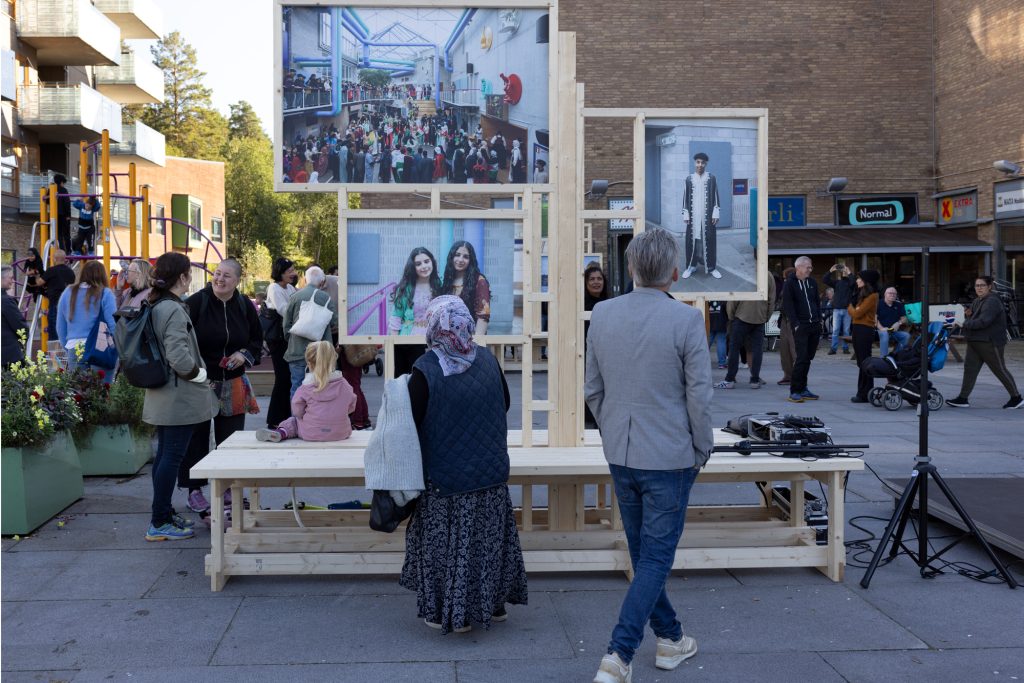
Oslo is experiencing rapid growth, creating a city where new developments must coexist with long-standing neighbourhoods. To strengthen community identity, the municipality is using its public art collection to support dialogue, reinforce local heritage, and invite residents to take part in shaping a collective vision for the future. The strategy has been implemented in several development areas of the city, including Mortensrud, located on the southern fringe where two artists captured the existing community in photographs, and sparked debate about what should be preserved and changed with a local rock.
Including marginalized citizens to preserve cultural heritage in urban development
While Oslo’s development is vibrant, the fast pace of change risks sidelining the unique character of established communities. Balancing urban growth with the preservation of cherished local histories is no small feat. It has traditionally been challenging to ensure that the voices, perspectives and opinions of marginalized groups, particularly those from lower-income or less-resourced areas of the city, are adequately represented in urban development projects.
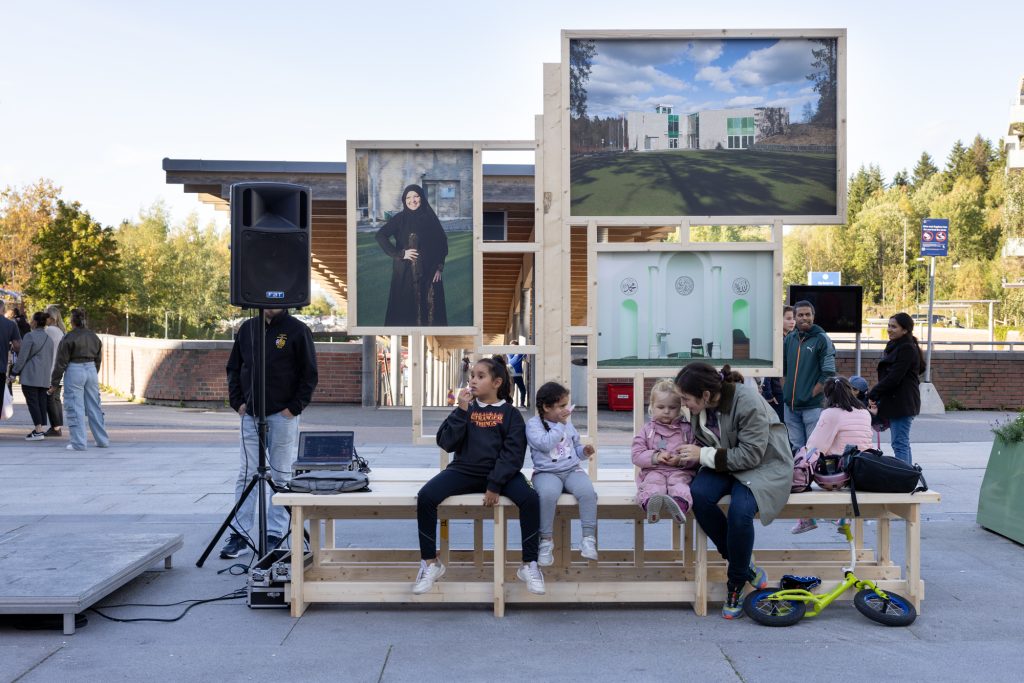
Sparking debate about cultural preservation and development
To ensure that urban development doesn’t eclipse the communities, lived experiences and collective memories that make these neighbourhoods special, Oslo worked with two local artists in Mortensrud. The under-resourced neighbourhood is rich in local culture and is now the focus of a large-scale redevelopment aimed at modernizing infrastructure, meeting the housing needs of the city and revitalizing public spaces.
Here, artists Yamile Calderón and Anne-Liis Kogan’s art works engaged local symbols and histories, inviting residents to reflect and engage with the urban development.
Calderón’s photographic journey “Last Station Mortensrud” documents the urban evolution from Mortensrud metro station to the neighbourhood of Rudshøgda. By capturing local architecture, everyday moments, and the natural environment, the project created a visual record that challenges residents and policymakers to recognize the inherent value of these changing landscapes. Exhibitions, both locally and in the city centre, and a subsequent photo book distributed to the many residents that were portrayed, ensured that the narratives reached a wide audience, sparking discussions about what should be preserved as the city evolves.
Kogan’s “Sammen kan vi flytte fjell” (“Together We Can Move Mountains”) focuses on the Mortensrud stone – an iconic landform removed to make way for urban redevelopment – through 3D scanning, a video installation at Mortensrud Senter, text workshops with local schoolchildren, and a performance collaboration with the local circus school. The cumulative performance included transporting a model of the rock from its heritage site to the city hall, where it was handed over to the mayor. The project transformed the stone into a living symbol and focal point for community dialogue on the area’s heritage and future.
The Mortensrud case shows how public art can serve as cultural policy, ensuring inclusive urban development that preserves identity while embracing change. By embedding art into redevelopment processes, Oslo demonstrates how cities can balance growth with heritage preservation and community engagement.