Cultural Policy in Jakarta
As the business, commercial and entertainment centre of Indonesia, Jakarta is renowned for its vibrant art scene and is rapidly becoming a global destination for culture

Cultural policy
The Government of The Special Capital Region of Jakarta (known as DKI Jakarta) manages cultural policy in Jakarta. Jakarta is divided into five administrative areas: North, South, West, East, and Central Jakarta. Culture is core to Jakarta – it features strongly in the missions set by the Jakarta government: to be safe, healthy, intelligent and cultured; strengthening family values and providing a space of creativity through a leadership that engages, mobilises and humanises.
Cultural programmes
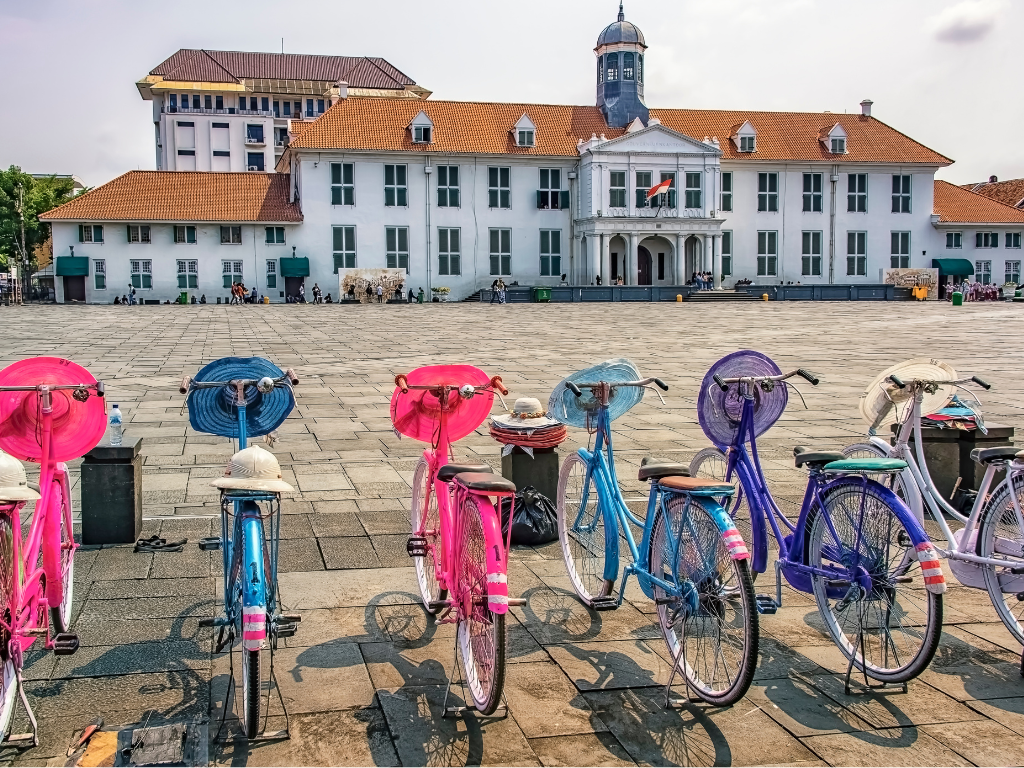
Jakarta will celebrate its 500th anniversary in 2027 and is building towards these celebrations which will focus on its identity as a ‘global and cultural city’. For a city with such a long history, it is no surprise that much of its focus is on cultural heritage management. In addition, as a large, diverse city with citizens from a wide range of cultures and backgrounds, the city has a large cultural focus on inclusivity, citizen involvement and cultural participation. The city is also taking significant efforts to improve environmental sustainability. Publishing, film, music and tech are currently the main drivers of Jakarta’s creative economy.
In recognition of the city’s thriving literary scene, boasting over 1000 book publishers, Jakarta earned a UNESCO City of Literature designation in 2021. The annual International Literary Festival founded in 2019 and the Indonesia International Book Fair established in 1980 collectively promote Indonesian books and writing around the world. The tallest library in the world – the National Library of Indonesia – stands at 127 metres high in the south side of Jakarta.
Jakarta has recently witnessed a significant surge in its technology sector, with the number of tech start-ups more than doubling from 173 in 2019 to over 400 in 2021. This growth underscores the city’s position as a dynamic centre for technological innovation and entrepreneurship.
An emerging network of contemporary art and culture hubs is revitalizing the city’s art scene, with notable examples like Komunitas Salihara, which boldly addresses current social and political issues through performances, exhibitions, and discussions. Smaller establishments like Dia.Lo.Gue Artspace and M Bloc Space are also gaining popularity as alternative spaces for creative entrepreneurs and communities. Art collectives have evolved alongside these hubs, promoting social impact approaches to art and creativity.
Cultural heritage and infrastructure
Jakarta is Indonesia’s largest city, a bustling metropolis with a population exceeding 10 million. It serves as the nation’s financial, commercial, and entertainment hub, anchoring the largest economy in Southeast Asia. A diverse melting pot of cultures, ethnicities, and religions, the city’s economic opportunities have drawn migrants from across the Indonesian archipelago.
Once known as ‘Sunda Kelapa’, the city has undergone thirteen name changes, yet its iconic Sunda Kelapa harbor still pays homage to its ancient origins. With roots tracing back to the 4th century AD, Jakarta has served as a significant global trading port and the de facto capital of the Dutch East Indies in the 17th Century. Indonesia declared its independence against Dutch colonial rule in 1945. The national monument ‘Monas’ stands in the centre of Jakarta at 132 metres tall and signifies Indonesia’s struggle for independence.
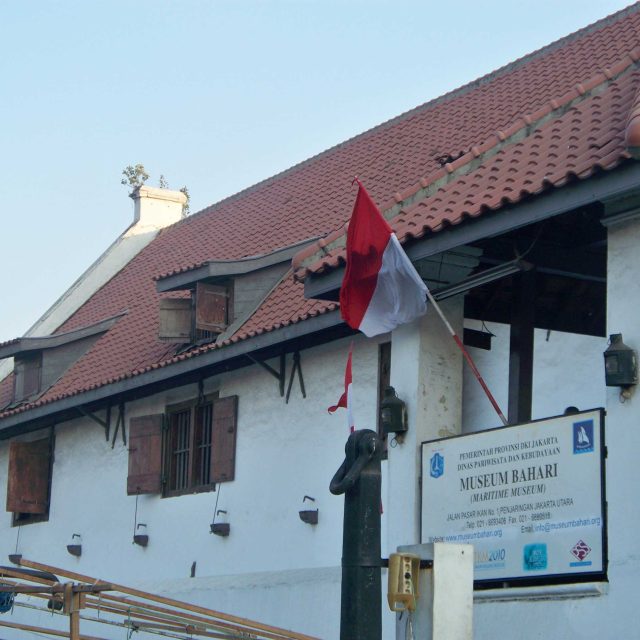
Home to over 60 museums and 132 heritage buildings, the city’s colonial past is well documented in the Museum Sejarah Jakarta, the National Museum, and the Museum Bahari. Located in the historic Sunda Kelapa Port area of North Jakarta, the Museum Bahari reflects the city’s maritime legacy. Dating back to 1652 under the Dutch Colonial Period, the building was a vital warehouse for spice export to the Netherlands. Nowadays, the Museum showcases artefacts of Indonesian vessels and hosts educational events and tours to promote heritage learning.
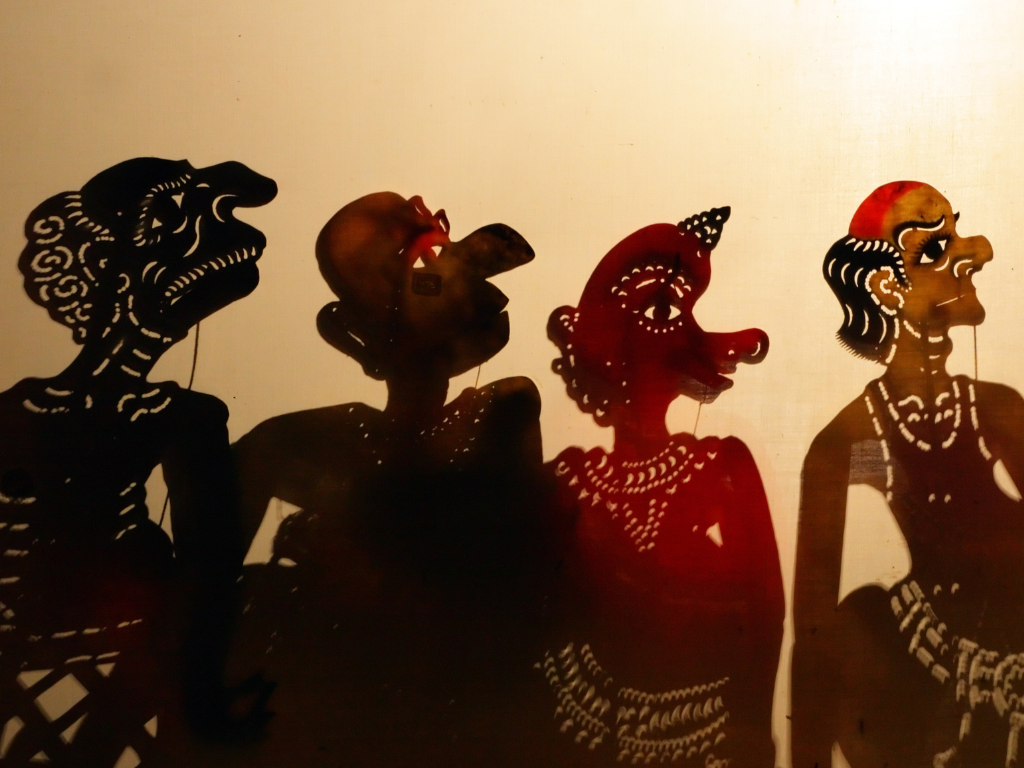
Jakarta’s museums also play a key role in preserving traditional Indonesian artistic practices. The Wayang Museum, exhibits traditional puppetry like Wayang Kulit (flat leather shadow puppets), an artform designated intangible cultural heritage status by UNESCO in 2003.
The city’s rich culinary heritage mirrors its multicultural identity. With a vibrant street food scene, city regulations support food vendors offering various traditional dishes. The Betawi people, indigenous to Jakarta, blend influences from Chinese, Arab, Indian, and European cuisines. Betawi dishes often feature bold flavors and a mix of spices, with popular dishes like Soto Betawi (beef soup), Kerak Telor (egg crust pancake).
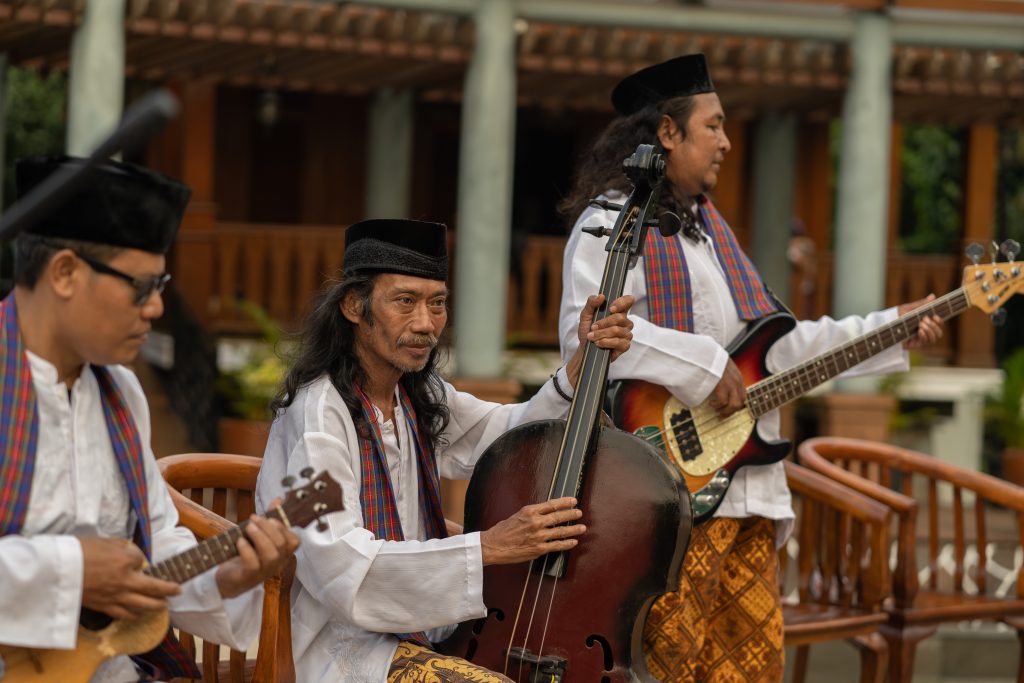
Community engagement, social impact & policy innovation
Against the backdrop of Jakarta’s urban evolution, traditional folk games and sports serve as vital links to the city’s cultural roots. Recognizing the need to safeguard these traditions, the Department of Culture of the DKI Jakarta Province organized the Traditional Folk Games and Sports Competition in 2023. This transformative event brought together 500 students to showcase rare traditional games like Log Racing. By providing comprehensive guidance and educational materials, the initiative not only preserves Jakarta’s cultural heritage but also ensures its transmission to future generations.
Since 2012, Jakarta has been actively engaging in climate mitigation and adaptation efforts. It stands out as the first local government in Indonesia to address climate change as a pressing “crisis” requiring urgent attention from all stakeholders. Climate initiatives are now integrated into the city’s development process and budget. Despite Indonesia’s commitment to achieving net-zero emissions by 2060, Jakarta has set its own ambitious target. The city aims to reach net-zero emissions by 2050, with a plan to reduce direct emissions by 30-50% by 2030.