	---
title: Urban Development
type: taxonomy_archive
taxonomy: topic
slug: urban-development
term_id: 62
permalink: "https://worldcitiescultureforum.com/topic/urban-development/"
post_count: 57
---

# Urban Development

Posts in this archive: 57

- [CULTURAL SPACES: How Adelaide is boosting its cultural offering and tourism with a $400 million expansion of an iconic market](https://worldcitiescultureforum.com/wp-content/uploads/wp-mfa-exports/city-project/adelaide-develops-market-square-district.md) — Find out how Adelaide Central Market’s $400 million expansion and the creation of New Market Square will transform the city’s cultural and culinary heart, balancing heritage preservation with economic growth.
- [City of Music: How Adelaide protected its live music venues through special purpose legislation ](https://worldcitiescultureforum.com/wp-content/uploads/wp-mfa-exports/city-project/city-of-music-how-adelaide-protected-its-live-music-venues-through-special-purpose-legislation.md) — The Planning, Development and Infrastructure Amendment Act 2024 is the first Australian law to formally establish a designated “live music venue area” within a city centre. This special purpose legislation was created to save a landmark live music venue – the Crown and Anchor hotel – from demolition and development. 

This case highlights the delicate balance between cultural vibrancy and urban planning. Maintaining live music spaces is not only a matter of nostalgia but an essential component of a city’s social and economic fabric.
- [Jakarta overtakes Tokyo as the world's most populous city](https://worldcitiescultureforum.com/wp-content/uploads/wp-mfa-exports/post/jakarta-overtakes-tokyo-as-the-worlds-most-populous-city.md)
- [Cities Step Forward: How Pedestrianisation is Powering Culture in the Streets ](https://worldcitiescultureforum.com/wp-content/uploads/wp-mfa-exports/post/pedestrianisation-cultural-tool-inclusive-cities.md) — From Barcelona to Bogotá, cities are embracing the power of pedestrianisation. By turning roads into people-first spaces, they are opening streets to culture, creativity and community life
- [Focus on Africa](https://worldcitiescultureforum.com/wp-content/uploads/wp-mfa-exports/report/african-creative-capitals.md) — Discover how Africa's creative capitals are driving forward innovation in cultural policy amidst dramatic urban development
- [Justine Simons OBE, Founder of World Cities Culture Forum](https://worldcitiescultureforum.com/wp-content/uploads/wp-mfa-exports/report/justine-simons-world-cities-culture-foreword.md) — Foreword from Justine Simons OBE, founder of World Cities Culture Forum, introducing the report and framing its importance.
- [Introduction and Key Findings ](https://worldcitiescultureforum.com/wp-content/uploads/wp-mfa-exports/report/introduction-to-world-cities-culture-report.md) — Culture is emerging as the defining force of resilient cities, driving identity, wellbeing, and economic vitality in the face of global instability, from climate change to technological disruption. Data from the World Cities Culture Report shows cultural participation and creative industries are rebounding after the pandemic, but unevenly—highlighting the urgent need for sustainable tourism, affordable workspaces, and inclusive cultural policies.
- [Focus on Latin America](https://worldcitiescultureforum.com/wp-content/uploads/wp-mfa-exports/report/focus-on-latin-america.md) — Cultural policies address multiple urban priorities from building citizenship, generating employment and supporting inclusion and equity.
- [Ernesto Ottone, Assistant Director General for Culture, UNESCO](https://worldcitiescultureforum.com/wp-content/uploads/wp-mfa-exports/report/ernesto-ottone-world-cities-culture-report.md) — Foreword from Ernesto Ottone, Assistant Director General for Culture at UNESCO, to the World Cities Culture Report: 5th Edition
- [2nd Edition](https://worldcitiescultureforum.com/wp-content/uploads/wp-mfa-exports/report/world-cities-culture-report-2015-2nd-edition.md) — From Museums to Streets: Unleashing the Potential of Culture in Cities. The World Cities Culture Report 2015 explores why culture is the golden thread of urban policy and how it can solve some of the biggest challenges of our urban environments.
- [UNESCO Site: Restoring and safeguarding Beijing’s Central Axis](https://worldcitiescultureforum.com/wp-content/uploads/wp-mfa-exports/city-project/beijing-central-axis-cultural-policy-2.md) — In 2024, Beijing’s Central Axis was inscribed as a UNESCO World Heritage Site, marking a cultural policy milestone in China. This historic urban spine showcases imperial planning traditions and blends conservation science, regulatory reform, digital innovation, and civic participation. From volunteer patrols to interactive technology, the project has preserved centuries-old heritage while improving the districts along the Axis – reinforcing community engagement and promoting international cultural dialogue.
- [Urban Renewal: Beijing’s cultural strategy transformed former industrial site into thriving Shougang Park ](https://worldcitiescultureforum.com/wp-content/uploads/wp-mfa-exports/city-project/shougang-park-urban-renewal-2.md) — On the outskirts of the capital, Beijing’s cultural strategy has transformed a vast 863 hectares steel production site into a unique visitor destination, positioning Shougang Park as a model for urban development, and industrial heritage revitalisation. By capitalising on the 2022 Winter Olympics, Beijing repurposed Shougang Park’s industry structures – like blast furnaces and cooling towers – into thriving ecological, cultural and recreational spaces that boosted tourism and the night time economy.
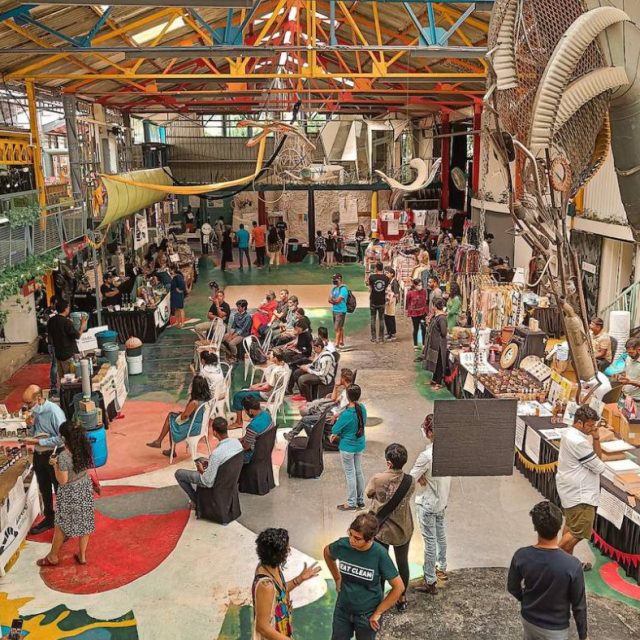
- [Creative Districts: Al Quoz Creative Zone in Dubai](https://worldcitiescultureforum.com/wp-content/uploads/wp-mfa-exports/city-project/dubai-al-quoz-creative-zone.md) — Dubai’s Al Quoz Creative Zone is transforming a former industrial area into a dynamic cultural district that fosters creative enterprises, community engagement, and sustainable urban regeneration while advancing the city’s ambition to be a global hub for culture and creativity.
- [Guangzhou Design Week: a global platform for design-led urban and cultural innovation](https://worldcitiescultureforum.com/wp-content/uploads/wp-mfa-exports/city-project/guangzhou-design-week.md) — Founded in 2006, Guangzhou Design Week is one of Asia’s most comprehensive annual design events. Since 2020, its focus has shifted from industrial upgrading to embedding design in public life and urban regeneration. Through partnerships with over 30 countries and global events like Milan Design Week, it plays a key role in cultural diplomacy – positioning Guangzhou as a creative capital and model for cities integrating design into policy and international exchange.
- [Creative Industries: Helsinki’s '9 Actions' creative economy strategy ](https://worldcitiescultureforum.com/wp-content/uploads/wp-mfa-exports/city-project/9-actions-for-helsinki-creative-industries-growth-strategy.md) — Helsinki is scaling up its commitment to the creative economy strategy through the “9 Actions” roadmap, co-developed with industry professionals. It proposes targeted steps to strengthen cultural entrepreneurship, remove administrative barriers, activate underused spaces, and support urban creative ecosystems. With global creative sectors growing rapidly, Helsinki’s long-term competitiveness hinges on how effectively it fosters creative sector growth and supports inclusive, innovation-driven cultural business models.
- [Supporting Melbourne’s d/Deaf and Disabled artists through The Warehouse Residency ](https://worldcitiescultureforum.com/wp-content/uploads/wp-mfa-exports/city-project/warehouse-residency-for-deaf-and-disabled-artists.md) — The Warehouse Residency is City of Melbourne’s flagship programme for d/Deaf and Disabled artists, offering access-led support, funding, and leadership opportunities. Designed with artists and grounded in disability justice, it supports bold, interdisciplinary work while challenging structural barriers in the arts. Since 2021, the programme has supported 40+ creatives, with plans to expand into producing, digital formats, and enhanced access budgets through 2028.
- [A Network of City Wide Festivals: Milan is alive](https://worldcitiescultureforum.com/wp-content/uploads/wp-mfa-exports/city-project/milan-is-alive.md)
- [Open-Air Museum: How Milan turned a new park into a cultural destination ](https://worldcitiescultureforum.com/wp-content/uploads/wp-mfa-exports/city-project/milan-art-line.md)
- [Participatory Murals: A ‘Name in Every Neighbourhood’ of Milan ](https://worldcitiescultureforum.com/wp-content/uploads/wp-mfa-exports/city-project/milan-a-name-in-every-neighbourhood.md)
- [Chinatown: How Montréal is safeguarding this historic cultural district ](https://worldcitiescultureforum.com/wp-content/uploads/wp-mfa-exports/city-project/montreal-chinatown-heritage-preservation.md) — Like many Chinatowns in cities, Montreal’s Chinatown – the only French-speaking Chinatown in the Americas – faces pressures from gentrification and redevelopment. Since 2019, the City of Montreal has implemented a coordinated strategy to preserve the neighbourhood’s culture and reflect a broader North American trend of protecting ethnic enclaves from displacement through inclusive urban planning and community-led preservation.
- [Museum Expansion: How Montréal tripled its city museum size, team and programming co-created by citizens](https://worldcitiescultureforum.com/wp-content/uploads/wp-mfa-exports/city-project/museum-expansion-how-montreal-tripled-its-city-museum-size-team-and-programming-100-co-created-by-citizens.md) — Between 2019 and 2024, Montreal transformed its city museum into MEM – Centre des mémoires montréalaises. Now located in the Quartier des spectacles, MEM tripled in size and was co-designed with over 75 citizens through a participatory planning process. With exhibitions co-created by community groups and inclusive governance at its core, MEM redefines the city museum as a civic space rooted in memory, diversity, and belonging.
- [Cultural Appreciation: How Nanjing is integrating aesthetic education into urban life](https://worldcitiescultureforum.com/wp-content/uploads/wp-mfa-exports/city-project/nanjing-social-aesthetic-education-initiative.md) — In 2024, Nanjing launched a cultural strategy focused on three areas: revitalising public spaces, nurturing humanistic aesthetic values, and promoting city-wide aesthetic awareness. 53 projects were piloted to engage citizens with art and beauty through public space revitalization, evening classes, and cultural programming. Supported by digital campaigns and volunteer networks, the initiative enhances cultural wellbeing and offers a replicable model for embedding aesthetic education into urban policy and city planning.
- [Catalysing Creativity: How Oslo is distributing targeted cultural funding to activate urban life and drive innovation in the arts](https://worldcitiescultureforum.com/wp-content/uploads/wp-mfa-exports/city-project/catalyzing-creativity-how-oslo-is-distributing-targeted-cultural-funding-to-activate-urban-life-and-drive-innovation-in-the-arts.md) — To strengthen cultural vibrancy and inclusivity, Oslo has expanded its municipal grant schemes, supporting grassroots creativity, public space activation, and cultural innovation. In 2025, NOK  399 million will be distributed across arts and culture, in addition to initiatives like the Bylivstilskudd urban life grants funding both large festivals and small-scale projects. Innovation grants also back experimental work, including collaborations with business and tech sectors. These schemes place culture at the centre of Oslo’s evolving urban identity
- [A Place Becoming: Anchoring community amid urban change in Oslo](https://worldcitiescultureforum.com/wp-content/uploads/wp-mfa-exports/city-project/oslo-mortensrud-anchoring-communities-with-art-amid-urban-change.md) — As Oslo grows rapidly, the city’s public art strategy ensures new developments reflect the identity and voices of existing communities.  In Mortensrud, for instance, artists collaborated with residents to embed local histories into redevelopment.  Projects such as Last Station Mortensrud and Together We Can Move Mountains use photography, performance, and digital art to honour everyday life and lost landmarks. The approach fosters dialogue, preserves memory, and places cultural heritage at the centre of urban change.
- [Art in Transit: How San Francisco is integrating public art into its transportation infrastructure](https://worldcitiescultureforum.com/wp-content/uploads/wp-mfa-exports/city-project/art-in-transit-how-san-francisco-is-integrating-public-art-into-its-transportation-infrastructure.md) — San Francisco’s 2% for Art Program transforms transit infrastructure into cultural landmarks, embedding site-specific artworks that celebrate neighbourhood identity and weave creativity into the city’s daily rhythms of movement.
- [How Seoul's Outdoor Libraries redefined public reading spaces across the city](https://worldcitiescultureforum.com/wp-content/uploads/wp-mfa-exports/city-project/seoul-outdoor-library.md) — Seoul’s Outdoor Library initiative, launched in 2022, redefines urban public spaces by transforming them into open-air reading environments. With installations in Seoul Plaza, Gwanghwamun Square, and Cheonggyecheon Stream, the programme offers diverse literary and cultural experiences. Attracting over five million visitors by 2024, it has revitalised reading habits, inspired nationwide adoption, and earned international recognition, showcasing the power of innovative cultural policy in urban settings.
- [Creative Placemaking: How Sydney embedded public art into new developments](https://worldcitiescultureforum.com/wp-content/uploads/wp-mfa-exports/city-project/sydney-public-art-in-new-development.md) — Since 2011, Sydney’s City Art Strategy has embedded high-quality public art into new private developments, guided by the city’s planning system and its Sustainable Sydney 2030-2050 vision. Developments over AUD 10 are required to incorporate public art and encouraged to allocate a minimum budget of 1% of construction costs, with support from a dedicated public art team and advisory panel. Over 750 public art plans have been submitted, enabling hundreds of artists to contribute to Sydney’s cultural landscape through collaborative, site-specific works.
- [Creative Hoardings: How Sydney made construction hoardings beautiful](https://worldcitiescultureforum.com/wp-content/uploads/wp-mfa-exports/city-project/sydney-creative-hoardings.md) — Since 2016, Sydney’s Creative Hoardings program has transformed over 320 construction sites into outdoor galleries, showcasing the work of contemporary Australian artists. Introduced as part of the Creative City Action Plan, it mandates creative graphics on hoardings, enhancing public space while regulating advertising. Artists are paid above-industry rates for licensed designs, offered to developers free of charge. The initiative has boosted artist visibility, reduced graffiti, and become a model for cultural integration in urban development.
- [Civic Creative Base Tokyo: Igniting civic creativity and a co-creative ecosystem](https://worldcitiescultureforum.com/wp-content/uploads/wp-mfa-exports/city-project/creative-civic-base-tokyo.md) — Civic Creative Base Tokyo (CCBT), opened in October 2022, is a dynamic hub where art, technology, and society intersect to foster “civic creativity,” engaging citizens, artists, researchers, and businesses in co-creating Tokyo’s future through exhibitions, labs, workshops, and nearly 300 public events to date.
- [Delivering sustainable artist workspaces in Dublin](https://worldcitiescultureforum.com/wp-content/uploads/wp-mfa-exports/city-project/dublin-space-to-create-artist-workspaces-2.md) — Dublin City Council’s Space to Create programme responds to a critical shortage of artist workspaces by refurbishing vacant buildings into long-term, affordable studios. With €9.5 million in funding from the City Council, the Department of Tourism, Culture, Arts, Gaeltacht, Sport and Media, and philanthropy, the initiative will deliver 40 workspaces by 2027. The first site at Artane Place highlights a model of cultural infrastructure driven by local engagement, sustainability, and inclusive cultural policy.
- [Research Tender: Cultural Policy in Southeast Asian Cities ](https://worldcitiescultureforum.com/wp-content/uploads/wp-mfa-exports/post/research-tender-cultural-policy-in-southeast-asian-cities.md) — World Cities Culture Forum and the British Council are commissioning a researcher (individual or team) to produce a high-quality report on cultural policy in five Southeast Asian cities: Jakarta, Bangkok, Hanoi, Kuala Lumpur, and Metro Manila.
- [Creative Land Trusts: A Practical Guide](https://worldcitiescultureforum.com/wp-content/uploads/wp-mfa-exports/publication/creative-land-trusts-a-practical-guide.md) — The Creative Land Trust Practical Guide is filled with global case studies and step-by-step advice for cultural leaders looking to adapt this innovative model in their city and secure affordable creative space for the long term.
- [WORLD CITIES TO TACKLE CREATIVE SPACE CRISIS AT INAUGURAL CREATIVE LAND TRUST SUMMIT ](https://worldcitiescultureforum.com/wp-content/uploads/wp-mfa-exports/post/creative-land-trust-summit.md) — From 27-30 May 2025, cultural city leaders, funders, and developers from over 15 cities - including London, Sydney, Calgary, Helsinki, Austin - will be attending the inaugural Creative Land Trust Summit in San Francisco, where this model has been pioneered. 
- [African Alternatives: The Future of Creative Cities](https://worldcitiescultureforum.com/wp-content/uploads/wp-mfa-exports/event/african-alternatives.md) — What will life look like in 2050 for a young person growing up in Africa now? How can culture address the challenges of rapid urbanisation and lead to sustainable development in people, place and planet?
- [Nanjing blends culture, business and tourism in its theatre revival](https://worldcitiescultureforum.com/wp-content/uploads/wp-mfa-exports/city-project/nanjing-blends-culture-business-and-tourism-in-its-theatre-revival.md) — Nanjing aims to strengthen its cultural landscape by creating and renovating not-for-profit studio theater spaces across the city. The objective is to build a stronger theater brand, encourage cultural integration, and promote the synergy of culture, business, and tourism.
- [From market to melting pot: how Brunnenpassage builds community through street culture](https://worldcitiescultureforum.com/wp-content/uploads/wp-mfa-exports/city-project/vienna-brunnenpassage.md) — Located in one of Vienna’s busiest street markets, Brunnenpassage stages around 400 events and 100 projects a year that are geared towards acclimatising newcomers to the city.
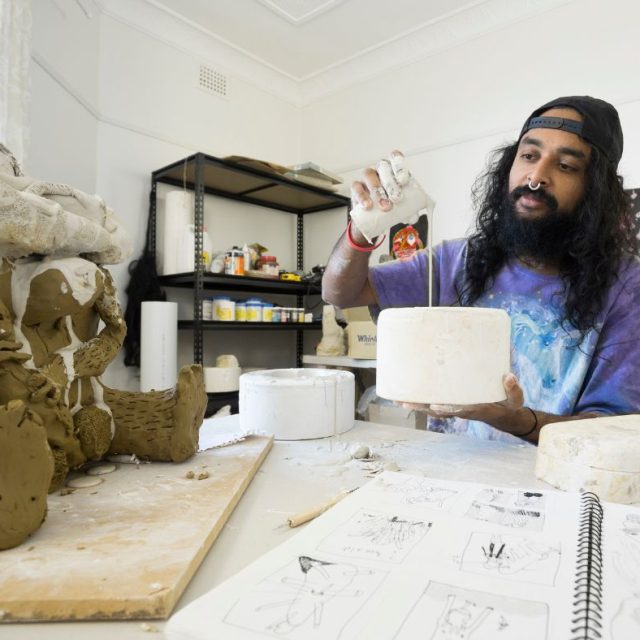
- [Reclaiming Sydney's lost creative space: a blueprint for recovery](https://worldcitiescultureforum.com/wp-content/uploads/wp-mfa-exports/city-project/sydney-making-space-for-culture.md) — In August 2021, Left Bank Co launched the Making Space for Culture Incubator Program – free professional development open to a diverse group of property developers and creative and cultural organisations.
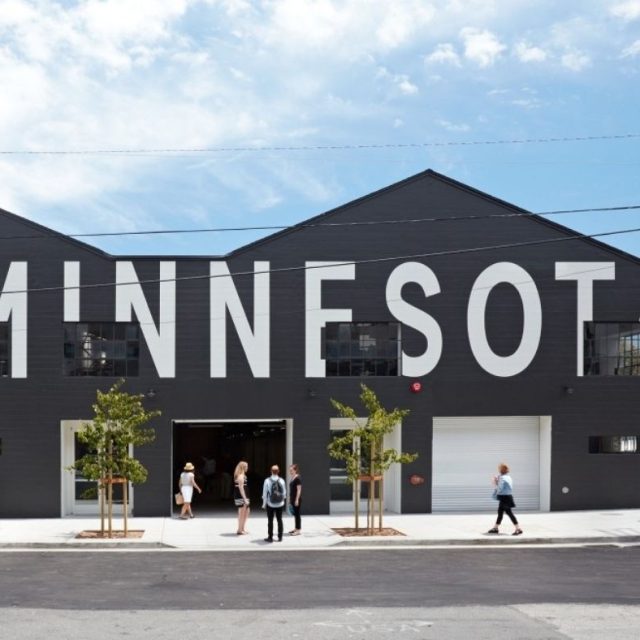
- [What makes Minnesota Street Project a solution to San Francisco's property costs?](https://worldcitiescultureforum.com/wp-content/uploads/wp-mfa-exports/city-project/san-frrancisco-minnesota-street-project.md) — The City of San Francisco needed to address the challenges faced by artists and art organisations due to the booming property market, emphasising the urgent need to prevent artists from being priced out of the city. The solution? A privately funded model of affordable gallery and studio space for local artists
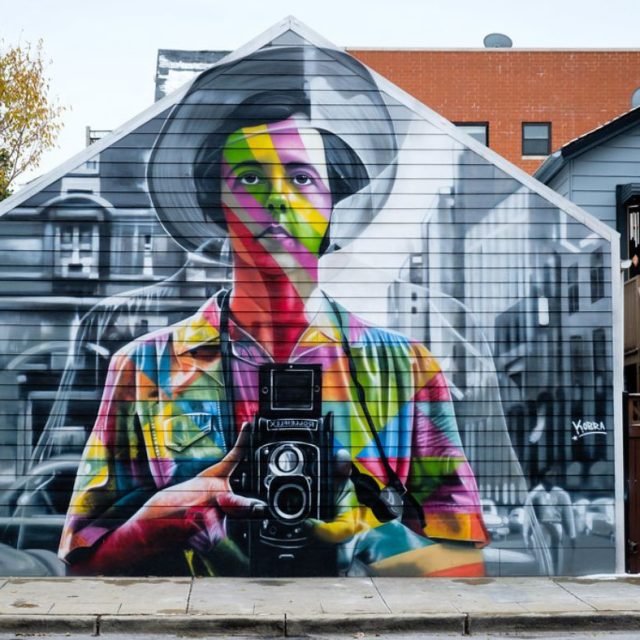
- [P.A.R.T.Y in Chicago: engaging communities through art for urban transformation](https://worldcitiescultureforum.com/wp-content/uploads/wp-mfa-exports/city-project/chicago-p-a-r-t-y-public-art-reimaging-tour-with-youchicago.md) — Chicago identified priority investment corridors in each neighborhood for streetscape and public realm enhancements, including new roadways, sidewalks, light poles, bike lanes, landscaping and community plazas.
- [Cultural identity at risk: the challenge facing Vancouver's historic Chinatown](https://worldcitiescultureforum.com/wp-content/uploads/wp-mfa-exports/city-project/prioritize-intangible-cultural-heritage-promote-cultural-redress.md) — Conditionally approved by Council in 2022, Vancouver proposed priority projects, actions, partners, policy work, and resources to foster a
vibrant Chinatown, and provide a foundational document towards a potential UNESCO World Heritage Site designation for the area.
- [Vancouver's creative resistance: how the city is fighting artistic displacement](https://worldcitiescultureforum.com/wp-content/uploads/wp-mfa-exports/city-project/implement-cultural-space-targets.md) — Making Space for Arts and Culture set out a 10-year target to secure 650,000 sq. ft. of new arts
and cultural space to address the alarming rate of displacement faced by the sector.
- [How Shenzhen's Nantou ancient city preserves its 1,700-year heritage amidst urban development](https://worldcitiescultureforum.com/wp-content/uploads/wp-mfa-exports/city-project/nantou-ancient-city-neighborhood-renovation.md) — Nantou Ancient City renovation project was set up to preserve and enhance a historically significant district in Shenzhen with a rich history spanning over 1,700 years. This district is known for its cultural importance and its transformation into a modern, integrated community that seamlessly blends its historical and contemporary elements
- [Redefining Rio's cultural landscape: Zonas de Cultura continues its ambitious plans to decentralise culture](https://worldcitiescultureforum.com/wp-content/uploads/wp-mfa-exports/city-project/zonas-de-cultura.md) — The Zonas de Cultura (ZC) program, launched in 2021, was born out of the need to decentralise cultural resources in the post-pandemic environment. It aims to recognise and amplify the impact of peripheral artists by distributing cultural funding more widely. The core purpose is to shift the city's cultural investments towards specific neighborhoods, creating new cultural hubs throughout Rio.
- [Cultura do Amanhã: Rio embraces technological change while honouring its heritage](https://worldcitiescultureforum.com/wp-content/uploads/wp-mfa-exports/city-project/cultura-do-amanha.md) — The Cultura do Amanhã program is an initiative led by the Municipal Secretary of Culture of Rio de Janeiro, which is responsible for the management of various municipal cultural facilities, such as museums,
theaters, libraries and cultural centers, and the promotion of cultural activities.
- [Can Bengalaru's new design principals transform the future of the city?](https://worldcitiescultureforum.com/wp-content/uploads/wp-mfa-exports/city-project/bengaluru-world-design-bengaluru.md) — Bengaluru earned the esteemed designation as the world's first
Design Protopolis by the World Design Organization. The core purpose of WDP is to leverage design
principles to enhance the city's livability across six thematic areas.
- [Mayor Eric Adams' blueprint safeguards New York's cultural assets](https://worldcitiescultureforum.com/wp-content/uploads/wp-mfa-exports/city-project/new-york-culture-at-risk-task-force.md) — In 2022, newly elected Mayor Eric Adams introduced the plan Rebuild, Renew, Reinvent: A Blueprint for New York City's Economic Recovery to address the significant impacts of the pandemic on the city.
- [From canvas to concrete: the power of storytelling in Milan's street art](https://worldcitiescultureforum.com/wp-content/uploads/wp-mfa-exports/city-project/a-name-in-every-neighbourhood.md) — Milan wanted to bring together artists with local people to devise large-scale murals using the name of each area of the city. The varied artworks are also designed to act as a focal point for local identity and community.
- [What role does the Helsinki Model play in diversifying arts and culture across the Helsinki neighbourhoods?](https://worldcitiescultureforum.com/wp-content/uploads/wp-mfa-exports/city-project/helsinki-model-and-the-malmi-district.md) — The Helsinki Model is a model for participatory local cultural work aiming to increase the accessibility of culture for all the inhabitants of the city.
- [Culture without boundaries: 'Virada Cultural' extends to the fringes of São Paulo](https://worldcitiescultureforum.com/wp-content/uploads/wp-mfa-exports/city-project/sao-paulo-virada-cultural.md) — The Covid-19 pandemic amplified the inequity of access to cultural provision, with the closure of venues, reduced mobility around the city, and unequal access to digital platforms. The municipality saw the return of major festivals in-person in 2022 as an opportunity to drive cultural engagement and widen access to culture in the city.
- [Sydney's bold al fresco programme pays off: culture thrives in the open air](https://worldcitiescultureforum.com/wp-content/uploads/wp-mfa-exports/city-project/sydney-al-fresco-city.md) — The state government held a Summer Summit with the City of Sydney and other stakeholders to discuss ideas to re-ignite Sydney’s economy and encourage more people to visit, eat, shop and enjoy the city centre. The result was the Al Fresco City programme.
- [A new tune: policymakers collaborate with the live music scene to future-proof the sector](https://worldcitiescultureforum.com/wp-content/uploads/wp-mfa-exports/city-project/edinburghs-live-music-revival-music-is-audible.md) — With music venues closing, the live music community in Edinburgh needed support to enable a thriving live music scene and encourage a more supportive environment for live events.
- [Preserving heritage: communities in San Francisco their cultural identities](https://worldcitiescultureforum.com/wp-content/uploads/wp-mfa-exports/city-project/the-cultural-districts-initiative-2.md) — Communities are collaborating with the City to help preserve the cultural and social fabric of San Francisco's historic neighbourhoods.
- [How the Buenos Aires neighbourhood 'Abasto' shaped its cultural renaissance through community collaboration](https://worldcitiescultureforum.com/wp-content/uploads/wp-mfa-exports/city-project/abasto-barrio-cultural.md) — The cultural landscape of Buenos Aires was significantly impacted by the Covid-19 restrictions, particularly affecting independent cultural organisations that were already structurally vulnerable prior to the pandemic. Abasto, a neighbourhood in the eastern part of Buenos Aires, has historically had a lower socio-economic status
- [Street symphonies and art alleys: Taipei makes culture accessible to all](https://worldcitiescultureforum.com/wp-content/uploads/wp-mfa-exports/city-project/art-in-the-community-culture-in-the-alley-and-culture-on-the-move.md) — "Culture in the Alley," supports hyper-local performing arts events, and the Taipei Fine Arts Museum's "Culture on the Move," which focuses on the localised use of museum collections. Both initiatives prioritise making art an integral part of everyday life for the city's residents, enhancing access, and democratising culture.
- [Herzog & de Meuron elevated Hamburg's Elbphilharmonie to global prominence](https://worldcitiescultureforum.com/wp-content/uploads/wp-mfa-exports/city-project/elbphilharmonie-hamburg.md) — How Hamburg created landmark concert hall The Elbphilhamonie within an existing heritage building, creating a new iconic focal point for the city's cultural scene.
- [Bruce Lee's former residence and the cultural revival of Yongqingfang district in Guangzhou](https://worldcitiescultureforum.com/wp-content/uploads/wp-mfa-exports/city-project/yongqingfang-micro-renovation-project.md) — The Yongqingfang district boasts a wealth of heritage but was gradually deteriorating. A unique development model is enabling micro-renovations  to preserve this historical neighbourhood.
- [Five reasons why Africa is leading the creative revolution](https://worldcitiescultureforum.com/wp-content/uploads/wp-mfa-exports/post/5-reasons-why-africa-is-leading-the-creative-revolution.md) — Sub-Saharan African capitals are booming with creativity and bucking the trend on growing the creative economy. Dynamic leaders across capitals like Dakar, Johannesburg and Nairobi are leading a creative revolution. They are a fearless generation who aim to change the status quo on culture and creativity, in their cities and across the Africa continent.