
Creative Capitals in Africa
In partnership with British Council and Andani.Africa
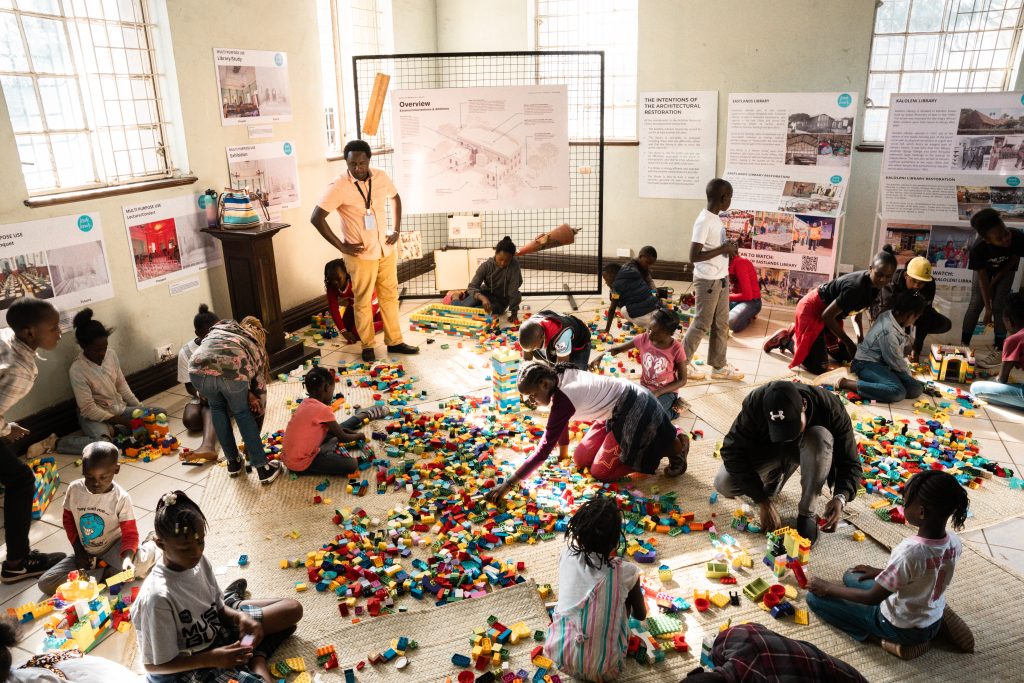
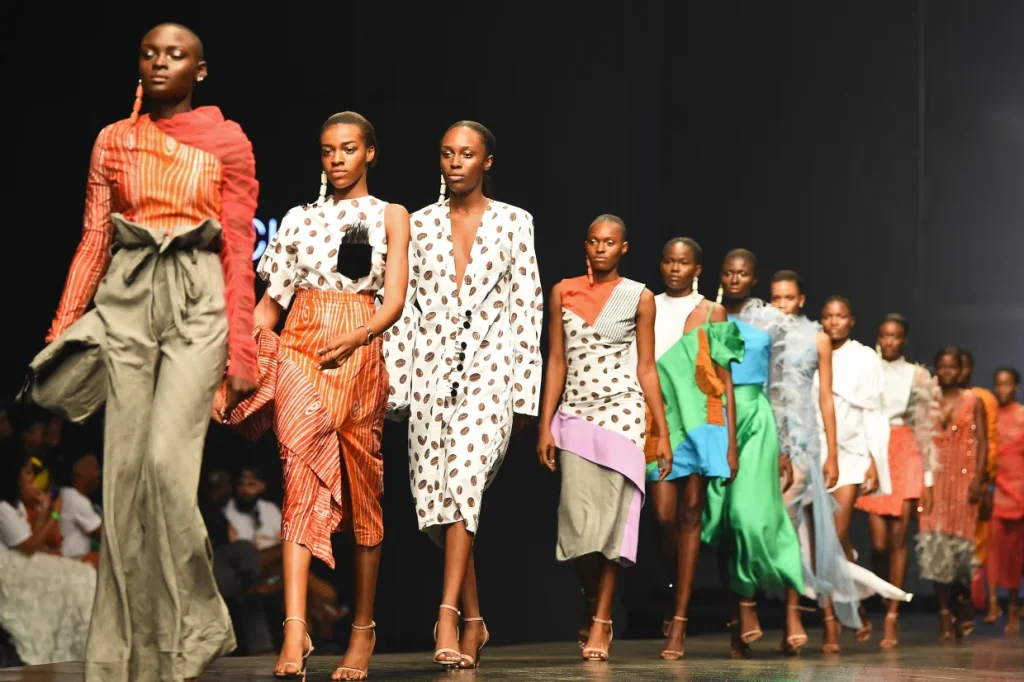
African cities are poised for dramatic transformation, with the expectation that they will double in size by 2050 (OECD, 2025). More than 60% of Africa’s population is under the age of twenty-five and young people are flocking to cities looking for work and a better life (WEF, 2022). City administrators face multiple challenges, often complicated by overlaps in geography, resources and responsibilities between city and regional administrations, so that even the definition of a ‘city’ becomes problematic as they spread relentlessly outwards. It would be easy to assume that facing the need for every kind of basic service, concern for culture might be low on the priority list of city administrations, but the boom in urban growth is accompanied by an equal boom in creative and cultural activity. Africa’s entertainment sector is experiencing massive expansion and it boasts the fastest growing music market in the world (IFPI, 2024). The success of the Nollywood (Nigeria’s film industry) is triggering new investment and encouraging new talent across the continent. The magazine ‘African Leadership’ predicts the continent’s fashion market will be worth USD 50 billion by 2030 (African Leadership Magazine, 2023).
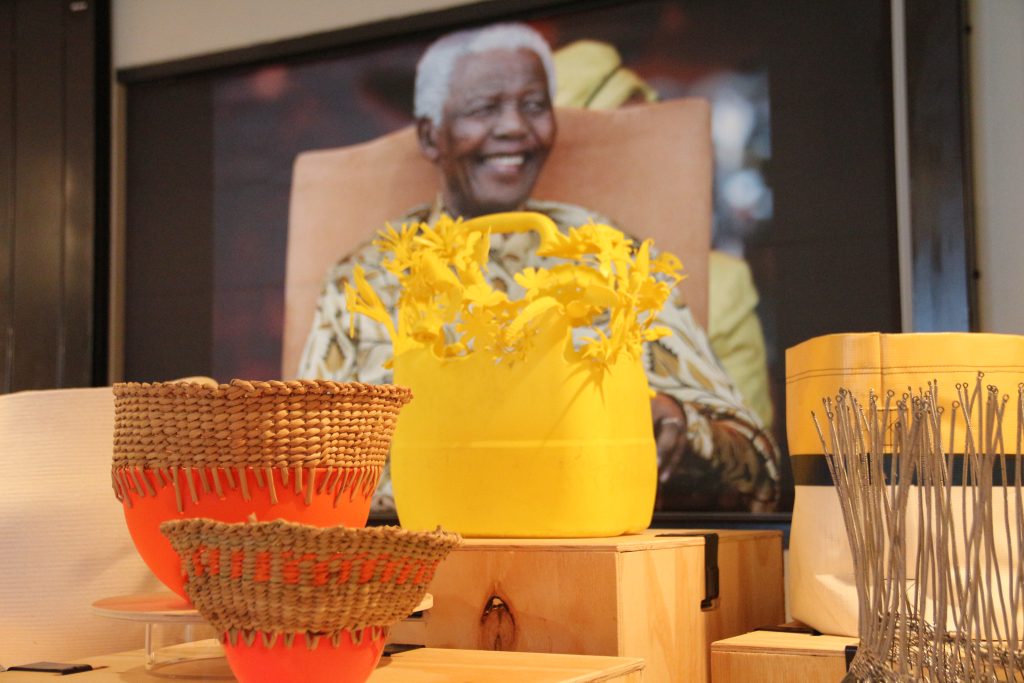
This creative and cultural revolution has obvious resonance beyond its ability to generate jobs and wealth. Africa’s creative leaders are addressing the legacy of colonialism that still shapes much of the official cultural landscape. So, as well as the future-facing possibilities of digitally driven cultural forms, there is the urgent need to preserve, protect and re-evaluate traditional cultures and practices – the tangible and intangible heritage that is easily lost in an urban environment.
This scale and pace of change presents real challenges for conventional ideas about cultural policy. How should city planners engage with activity that is overwhelmingly informal, grassroots or commercial? This is often at odds with government’s ideas about what the remit of public policy is and the boundaries of freedom of expression.
The African Alternatives research commissioned by the World Cities Culture Forum and British Council and led by Andani.Africa, explored how 11 cities across Sub-Saharan Africa are developing Afrocentric approaches to cultural development, policy and governance (World Cities Culture Forum, 2024).
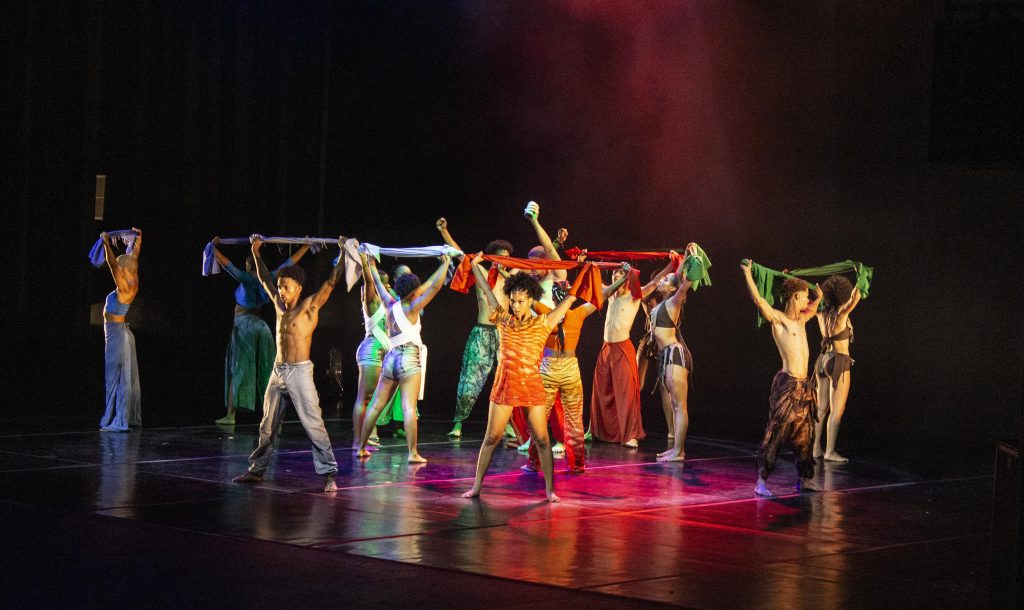
The research revealed how cities are using culture not only to shape identity but to address inequality, support jobs, and build more liveable futures. Dakar’s influential music scene, Nairobi’s fusion of tech and creative industries, and Kigali and Accra’s support for female entrepreneurship are reshaping city economies and urban life. Cities like Cape Town, Lagos, and Dakar are investing in growing film industries. Kampala and Johannesburg are rich in cultural institutions, theatres, and venues, while festivals play a critical role, from Harare’s International Festival of the Arts to SLACfest in Freetown and fashion weeks in Addis Ababa.
Cultural policy and governance
Yet this momentum sits alongside deep structural challenges. 75% of respondents to our research survey cited governance and institutional structures as the main barriers to policy development. Cultural policy is typically a national rather than local responsibility and often lacks the information and sensitivity necessary for effective local delivery. Where policies do exist, support for implementation may be limited, and the policies themselves are often outdated, with more than half only updated once per decade. One-third of cities surveyed reported having only national cultural policies. However, another third including Cape Town, Dakar, Kampala, and Nairobi are leading the way, implementing their own cultural strategies.
The survey pointed to a need for more consistent leadership models. Ministers or mayors often provide political oversight, but there is no formal city-level leadership for culture in at least three of the eleven capital cities. This creates gaps in coordination and weakens policy delivery. Crucially, 84% of respondents felt that culture’s potential in urban development was poorly understood by other policymakers.
This lack of understanding is compounded by a shortage of reliable data. Without strong evidence, cities struggle to advocate for culture as a strategic priority to rank alongside the core issues of housing, transport, education and healthcare. As a result, culture is often sidelined despite its proven contribution to social inclusion, mental health, job creation, and youth engagement.
Underinvestment is another recurring theme. More than 80% of policymakers cited funding as a major challenge, with most cities lacking sustainable models for supporting culture. Even where infrastructure exists, broader systems, like transport and digital access, are often missing, limiting reach and inclusivity. While cultural activity is widespread, it is frequently informal and under-recognised, meaning creatives often lack stable incomes, visibility, or protection.
Despite these barriers, culture continues to offer accessible pathways into employment and enterprise. But without recognition or targeted support, many creatives remain economically vulnerable. Building trust between policymakers and creative communities is essential, alongside improved governance, institutional coordination, and sustainable funding.
Key Findings from African Alternatives:
- Cities need data to advocate for cultural policies
Reliable data and tools like the Creative Vibrancy Index for Africa can shift perceptions of culture from ‘nice to have’ to a strategic priority, particularly when linked to identity, tourism, and youth opportunities. - African knowledge must shape policy
Policymakers are calling for postcolonial African and South-South frameworks that value indigenous knowledge, community creativity, and locally defined success. These frameworks can help cities respond to rapid modernisation whilst celebrating tradition and identity. - Policy implementation is a challenge
Even well-crafted policy fails without institutional buy-in. Dedicated city-level cultural departments and cross-sector governance models are needed to prioritise delivery and align efforts across government tiers. - Funding models need to change
Cities are seeking new partnerships with philanthropic, private, and civic actors. But power dynamics must be addressed: funders need to invest on equal terms, and cities must trust and support creative communities. - Cities can lead the way in defining policy models
Cultural policy cannot be a one-size-fits-all. Identifying the main drivers of cultural policies in will allow the creation of needs-led policies for the unique context of different cities. These may be major cross departmental strategies, or micro-interventions that support existing cultural activities. - Peer networks are critical
Policymakers and leaders expressed a need for a space to collaborate, exchange with peers and collectively learn. By sharing best practices, adapting successful policies, and accessing research, cities can enhance their cultural ecosystems, and create evidence-based policies.

CITY DATA AND PROFILES
Accra, Ghana
- Geographical area: 225.7 km²
- Total population: 2.67 million (2023 estimate)
- GDP per capita: USD 2,374 (2021 figure for Ghana)
- Main industries: Accra is a centre for manufacturing, marketing, finance, insurance, and transportation.
- Languages spoken: English is the city’s official language. Other languages such as Akan (Fante/ Twi), Ghanaian Pidgin English, Ewe and Hausa are popular within the city.
Addis Ababa, Ethiopia
- Geographical area: 527 km²
- Total population: 5.47 million (2023 estimate)
- GDP per capita: USD 1,475 (2023 figure for Ethiopia)
- Main industries: The economy is largely driven by infrastructure development, manufacturing, agriculture and the service industry.
- Languages spoken: Several languages are spoken in the city, with Amharic being the primary and official language spoken, and English the principal foreign language that is also widely understood.
Cape Town, South Africa
- Geographical area: 2,455 km²
- Total population: 4.89 million (2023 estimate)
- GDP per capita: USD 4,836.85 (2021); national is USD 6,776.50 (2022)
- Main industries: The city’s economy is driven by five main sectors: manufacturing, finance, tourism, agriculture and construction.
- Languages spoken: The most common languages in the city, also national official languages, are Afrikaans, Xhosa and English. Afrikaans is the most spoken home language in Cape Town, but with the city being a melting pot of cultures and nationalities, a common language is essential in bridging the language barrier, and most people are able to converse in English.
Dakar, Senegal
- Geographical area: 110 km²
- Total population: 1.5 million (2022 estimate)
- GDP per capita: USD 1,438 (2019), national is USD 1,606 (2023 estimate)
- Main industries: Dakar concentrates 80% of the economic activities of Senegal (with a national economy driven by mining, construction, tourism, fishing and agriculture) and is a hub for shipping and transport in the region. The tertiary sector has grown in line with urbanisation, so Dakar also houses headquarters of large companies and major financial and banking institutions, which serve all of Francophone West Africa
- Languages spoken: French is the official language in Senegal. Wolof is widely spoken as a first or second language and has become the lingua franca in Dakar. Other recognised languages spoken include Serer, Mandinka, Pulaar, Diola and Soninke.
Freetown, Sierra Leone
- Geographical area: 82 km²
- Total population: 1.3 million (2023 estimate)
- GDP per capita: USD 1,079 (2018), national is USD 670 (2023 estimate)
- Main industries: Freetown is Sierra Leone’s commercial and transportation centre, and its economy revolves largely around its natural harbour, the largest on the African continent. Main industries include food and beverage processing, fish packing, rice milling, petroleum refining, diamond cutting, and the manufacture of cigarettes, paint, textile, and beer. Exports include palm oil and kernels, cocoa, coffee, ginger, and kola nuts.
- Languages spoken: The Krio language (derived from English and a variety of African languages) of the Sierra Leone Creole people is Freetown’s primary language of communication and is by far the most widely spoken language in the city.
Harare, Zimbabwe
- Geographical area: 940 km²
- Total population: 1.578 million (2023 estimate)
- GDP per capita: USD 2,901 (2022); national is USD 1,376 (2023 estimate)
- Main industries: The economy is largely driven by finance, manufacturing, mining, agriculture, and tourism. Harare is the international trade centre for tobacco, maize, cotton, and citrus fruits.
- Languages spoken: The main native language groupings in Harare are Shona, Ndebele, and English. Shona is the most popular, spoken by over 70% of the city’s population, followed by Ndebele spoken by at least 20% of the city. As a former British colony, English is also popular and is used in schools and for official business
Johannesburg, South Africa
- Geographical area: 1,645 km²
- Total population: 5.77 million (2023 estimate)
- GDP per capita: USD 20,100 (2014); national is USD 6,776 (2022)
- Main industries: Johannesburg’s economy is dominated by four sectors: financial and business services, retail and wholesale trade, community and social services, and the manufacturing sector.
- Languages spoken: The official language of Johannesburg is English, and since the city is home to a large number of people from all over the world, a number of other languages are also spoken in the city, including Xhosa, Zulu, Tswana, Sotho, and Afrikaans.
Kampala, Uganda
- Geographical area: 189 km²
- Total population: 3.8 million (2023 estimate)
- GDP per capita: USD 2,655 (2017); national is USD 964 (2022)
- Main industries: The financial sector drives Uganda’s economy, and Kampala is its financial and economic centre. Due to its thriving agricultural position, Kampala is responsible for the country’s export of coffee, cotton, tea, tobacco and sugar. It also has businesses specialising in food, metal products and furniture, as well as a tractor-assembly plant. Kampala has a flourishing informal economy in the areas of transportation, trade, and recycling
- Languages spoken: English is the first official language of Uganda, and Kiswahili is the second. Luganda and English are the most widely used languages in Kampala, though given that the city’s residents use their ethnicity as a means of self-identification and definition, the scope of languages which they use extend to various native languages specific to Ugandan ethic groups, including Baganda, Banyankole, Basoga, Bafumbira, Batoro, Bakiga, Alur, Bagisu (more popularly known as Bamasaba), Banyoro, Iteso, Langi and Acholi.
Kigali, Rwanda
- Geographical area: 732 km²
- Total population: 1.25 million (2023 estimate)
- GDP per capita: USD 2,865 (2017); national is USD 940 (2022)
- Main industries: The main sectors driving the economy within the city are agriculture, fishing and forestry. Other sectors that contribute to the city’s overall economy are government, transportation, communication, manufacturing, finance and microfinance. Tourism currently provides an important input to the economy as well.
- Languages spoken: Rwanda has 4 official languages, the first being Kinyarwanda. Following this would be French and then English, with Swahili/ Kiswahili being used in most commercial centres
Lagos, Nigeria
- Geographical area: 1,007 km²
- Total population: 15.9 million (2023 estimate)
- GDP per capita: USD 2,174 (2018); national is USD 2,513 (2023 estimate)
- Main industries: Lagos State is Nigeria’s economic and financial nerve, with industry primarily led by manufacturing, financial institutions, and ICT (Information, Communications and Telecommunications). Lagos is also Nigeria’s aviation hub.
- Languages spoken: English is the official language of Nigeria, and Hausa, Yoruba, Igbo and English Creole are also widely used. Lagos is dominated by the Niger-Congo linguistic group, comprising Kwa; Ijoid; Atlantic (Fula); Benue-Congo (Tiv, Jukun, Edo, Igbo, Igala, Idoma, Nupe, Gwari, Yoruba,
Nairobi, Kenya
- Geographical area: 703.9 km²
- Total population: 5.3 million (2023 estimate)
- GDP per capita: USD 6,561 (2017); national is USD 2,099 (2022)
- Main industries: Kenya’s economy is mainly driven by the finance, tourism, construction and agriculture sectors, with the services industries establishing themselves as another key driver of growth. Nairobi city and its metropolitan region are at the heart of these developments, serving as a major regional commercial and service hub, with the regional headquarters of several African and international companies and organisations headquartered in Nairobi.
- Languages spoken: There are two official languages, English and Kiswahili, though Nairobi is a multilingual city with residents usually speaking their mother tongues (such as Kikuyu or Maa) within their communities.
This summary is based on findings from African Alternatives: The Future of Creative Cities, research by Andani.Africa for World Cities Culture Forum and British Council (2024). Eleven cities took part in the research: Accra, Addis Ababa, Cape Town, Dakar, Freetown, Harare, Johannesburg, Kampala, Kigali, Lagos and Nairobi. For detailed city profiles, please see the full research report here.