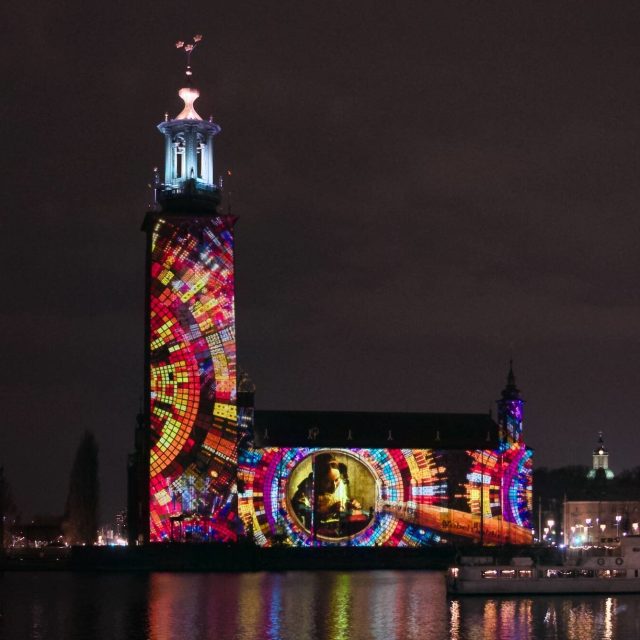
Cultural Policy in Stockholm
Stockholm is the capital of and most populous city in Sweden as well as the largest urban area in the Nordic countries
Cultural policy
The City of Stockholm is responsible for a number of cultural institutions and supports independent culture.
Cultural activities integrate into other operations within the City, for example in pre-schools, schools and elderly care services. Stockholm aims to be a vibrant, inclusive and open city for culture and events. Activities for children and young people are a priority.
The city has also worked to integrate culture as a cross-cutting policy focus across City departments. The Cultural Strategic Programme encourages cooperation among City departments to expand cultural access to all Stockholmers. The program will be updated during 2025.
The coronavirus pandemic underscored the importance of culture to people’s quality of life, leading Stockholm to reaffirm its ongoing support for the cultural sector. Stockholm’s nightlife strategy is streamlining permitting processes, supporting the opening of new venues, and facilitating nightlife activities on City-owned land.
Stockholm’s growth is accompanied by challenges related to widening social inequality and housing segregation. Stockholm’s City plan addresses these concerns and guides Stockholm’s urban development over a period of 25 years. This plan centres on four key areas: a growing city, a cohesive city, quality public spaces, and a climate-smart and resilient city. It aligns with Stockholm’s strategic documents, inspired by the concept of the 15-minute city, aimed at ensuring residents have access to quality education, transportation, public spaces, and green areas within close proximity to their homes. In 2025, work will begin on developing Stockholm’s new City Plan which is an important tool for securing future spaces for culture and cultural heritage.
Cultural programmes
Stockholm is growing, and the city has reached nearly 1 million residents and approximately 2.4 million people in the broader urban area. The city is currently undergoing a period of unprecedented growth, with its population projected to reach 1.3 million residents by 2040. This growth has spurred urban redevelopment efforts, with cultural institutions and infrastructure serving as focal points for numerous mixed-use projects. Examples include two former industrial areas: Slakthusområdet, the former meatpacking district, and Norra Djurgårdsstaden/The Royal Seaport. Stockholm has also transformed its largest 19th-century gas holder into a vibrant cultural venue known as Gasometer. The structure now houses a dynamic stage designed to host a wide array of performances, including music, theatre, events, shows, and conferences, all drawing in large audiences.
Stockholm is a globally-renowned ideas factory and a hotbed of groundbreaking innovations. Stockholm has emerged as one of Europe’s most successful startup and cultural entrepreneurship hubs, home to renowned companies like Spotify, Klarna and the gaming phenomenon Minecraft.
Stockholm has a large and wide range of cultural offerings all year round through a number of institutions and independent groups. The institutions are private, state-owned or county-owned, and some are municipal.

Cultural heritage and infrastructure
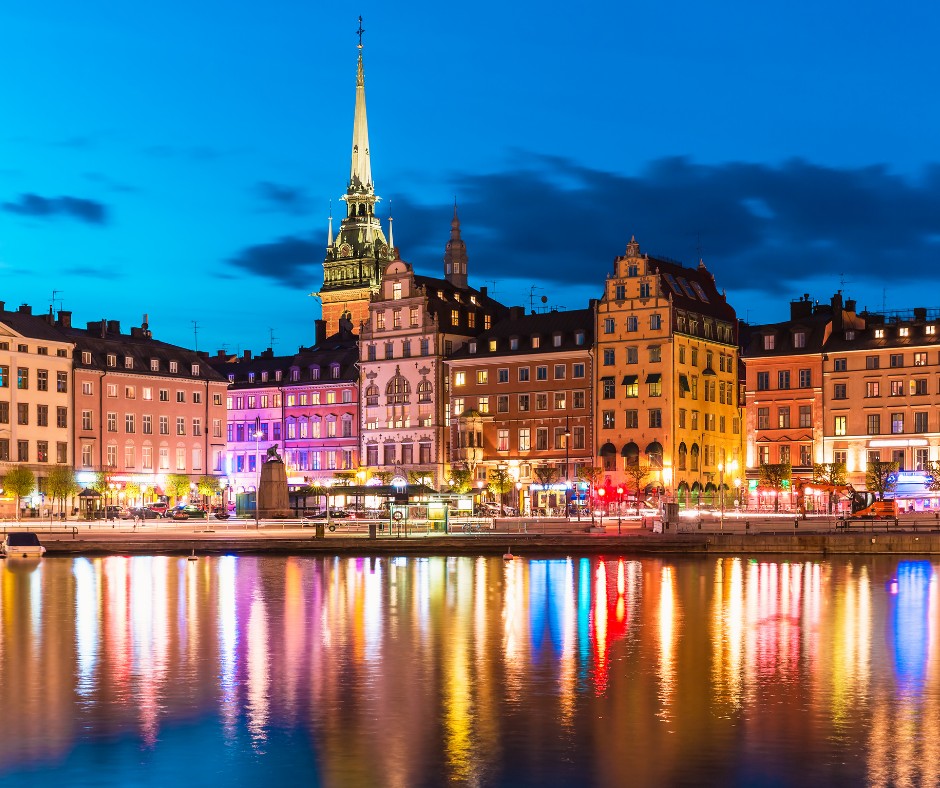
Stockholm, the largest city in Scandinavia, effortlessly intertwines a rich history and stunning nature with the cultural sophistication, modern architecture, and dynamic attitudes of a thriving metropolis. This unique blend is enhanced by the omnipresence of water. Stockholm spans nearly 188 square kilometres, comprising 14 islands interconnected by 57 bridges. The city continually blends old and new, known for its historic cobblestone streets as well as hosting the annual Nobel Prize awards, while also fostering contemporary design, tech, and gaming communities. Stockholm boasts 89 museums, 130 libraries, 80 cultural and community centres, and 93 venues for theatrical performances.
In 2023, Stockholm’s Culture Administration conducted an analysis of the city’s cultural infrastructure needs, covering stages, exhibition spaces, meeting venues, and art studios. Based on the analysis, Stockholm uses expertise and support provided by its innovative ‘cultural pilots’ initiative. The ‘cultural pilots’ help match cultural actors with property owners — enabling them to secure suitable premises in areas of the city with the greatest potential for developing cultural spaces. The scheme operates with the belief that wherever culture is able to flourish, it will create new values and experiences.
Community engagement, social impact and policy innovation
During the last four years much has happened. The pandemic, and economic downturn has posed challenges for the cultural sector. It has also led to new cultural expressions, business models, and financing methods, as well as new ways for culture to reach an audience and new cultural consumption habits.
Stockholm’s future depends on the city’s capacity to adapt to new forms of digital culture and consumption, ensuring that culture remains accessible to all members of society, from the young to the elderly, in local and shared spaces. Stockholm’s Culture administration has identified four key priority areas to address in the next few years, including:
1. Engaging with and reaching out to prioritised target groups;
2. Developing a range of physical and digital cultural activities and infrastructure, informed by the needs of Stockholm’s residents;
3. Promoting the presence of local culture and encouraging residents to participate in cultural activities throughout the city;
4. Practicing purposeful collaboration and efficient use of city resources.