Cultural Policy in Helsinki
Helsinki is the capital of Finland and culture plays an important role in supporting the city’s revered quality of life

Cultural policy
Helsinki’s City Strategy for 2025–2029, Helsinki we can be proud of brings together sustainable growth, cultural vitality, and social wellbeing. The City broadens access to art and culture across neighbourhoods, strengthens opportunities for children and young people, and ensures that seniors, families, and diverse communities can participate fully in cultural life. Investments in public art, community-driven initiatives, and everyday culture make inclusion and creativity visible in the urban environment. Helsinki is also committed to reducing inequality and fostering participation, from grassroots culture to large-scale events.
Culture and the creative industries are recognised as drivers of vitality and business growth, supported through international cooperation, innovation, and strong cultural institutions. Flagship projects such as the Architecture and Design Museum (due to open in 2030), and Helsinki Biennale further strengthen Helsinki’s international cultural presence, while also highlighting the city’s unique maritime character and its role as a vibrant cultural capital by the sea. As the capital of Finland, consistently ranked the world’s happiest country, Helsinki reflects this spirit of Helsinki Happiness – a combination of wellbeing, creativity and openness that enhances its global appeal for residents, visitors, talent, and investors.
Cultural programmes
Culture plays a pivotal role in enhancing the quality of life in Helsinki. Through the city’s percent-for-art principle, new development and urban renewal areas integrate art into the built environment, while an expanded budget for public art enables projects such as murals and neighbourhood artworks. The City also supports temporary use of spaces for arts, culture and third-sector actors, and is exploring a dedicated fund model to improve long-term access to suitable cultural venues. Helsinki actively facilitates connections between citizens and culture, fostering lifelong engagement with the arts.
The city’s highly educated population strengthens openness to creativity and innovation, while the creative industries are supported as growth sectors, enhancing Helsinki’s international appeal and role as a hub for start-ups and sustainable business.

Cultural heritage and infrastructure
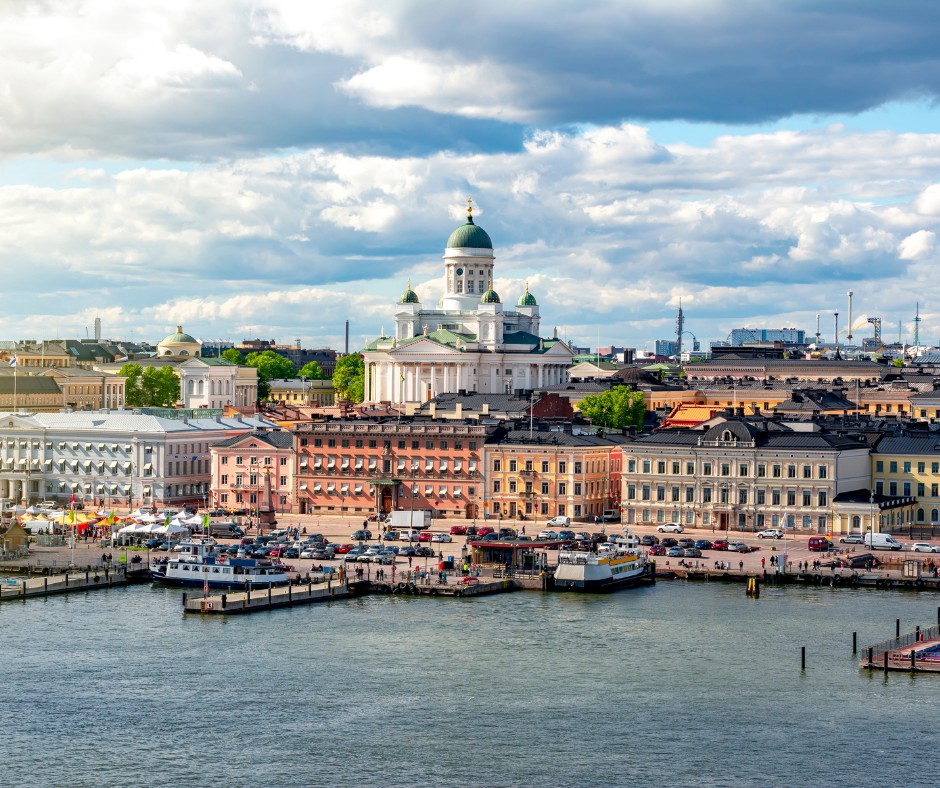
Helsinki is rapidly growing, with the city centre evolving into a vibrant cultural hub that includes landmarks such as the Central Library Oodi, Amos Rex contemporary art museum and Musiikkitalo concert hall, as well as major projects like the expansion of the National Museum and the future Architecture and Design Museum.
The former Hanasaari power plant area will be transformed through an international competition into a community-oriented district that honours its industrial heritage while opening to new uses, with temporary cultural activities animating the site in the meantime. Neighbouring districts are also being developed into a dynamic cluster for events and creative industries. At the same time, Helsinki preserves its distinctive Art Nouveau (Jugend) and Empire architecture, while the legacy of the 1952 Olympic Games continues to shape its identity as a venue for international events.
Extensive green areas and maritime landscapes remain integral to daily life, ensuring that urban growth aligns with wellbeing, sustainability and a strong connection to nature.
Community engagement, social impact and policy innovation
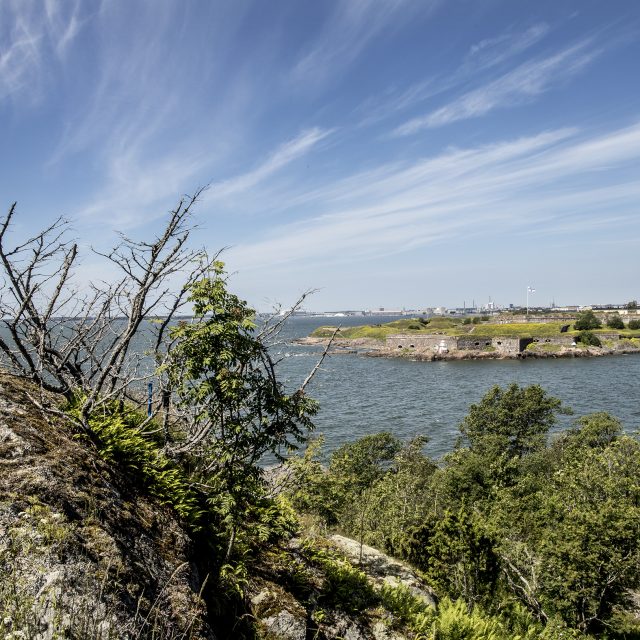
Apart from its urban environment, Helsinki’s close proximity to the sea and its natural surroundings significantly influence city life. Helsinki boasts 130 km of coastline and approximately 300 islands, with forests covering 22% of its land area. The city is highly walkable and bike-friendly, with most public services within easy reach. Helsinki ensures equal access to culture regardless of background or neighbourhood, reflecting its bilingual and multicultural identity in cultural services.
The City strengthens participation through neighbourhood communities, participatory budgeting and opening spaces for third-sector use. Equal opportunities are guaranteed for children and youth, for example through the permanent Culture Kids programme.
The citizens of Helsinki are highly educated, fostering openness to arts, culture and innovation, and strengthening the city’s creative ecosystem. Helsinki embodies a spirit of happiness, wellbeing and balance, making it both welcoming and safe for residents and visitors alike.
Images copyright © Getty Images / Canva