Cultural Policy in Cologne
A rich tapestry of heritage and innovation, Cologne is working with its world renowned museums to lead the charge on cultural restitution

Cultural policy
The city’s main urban strategy document is the ‘Urban strategy 2.0’ which outlines its aim to create spaces and structures for cultural and creative industries, enhancing creative clusters and the Cologne’s position as an art and cultural metropolis.
The Cultural Development Plan for Cologne, drawn up by the Department of Culture and adopted by the City Council on June 30, 2009, highlights the city’s top level cultural strategy and goals. This plan was developed further in April 2019 with the latest Cultural Development Plan. The Plan was developed with the input of the city’s artists and cultural practitioners, politicians and administrators.
Cultural programmes
Today, Cologne is celebrated for its multiculturalism, welcoming people from diverse backgrounds and promoting a wide range of arts. Internationally renowned festivals like lit.COLOGNE and cultural events such as ART COLOGNE reflect the city’s cosmopolitan spirit.
Cologne is a hub for media innovation in the Rhineland, with prosperous film, broadcasting, games, design, and IT industries. Content creators, artists, creative entrepreneurs, e-sports professionals, industrial designers, and successful brands all drive the creative economy and shape the future of Cologne in unique ways. With a population of over one million people, the city punches above its weight with approximately 6,500 media and creative companies, generating €9.5 billion annually and employing roughly 60,000 people. It also has a focus on supporting cultural infrastructure through urban planning policy, such as protecting cultural and night time venues from redevelopment, through what it calls ‘target maps’.
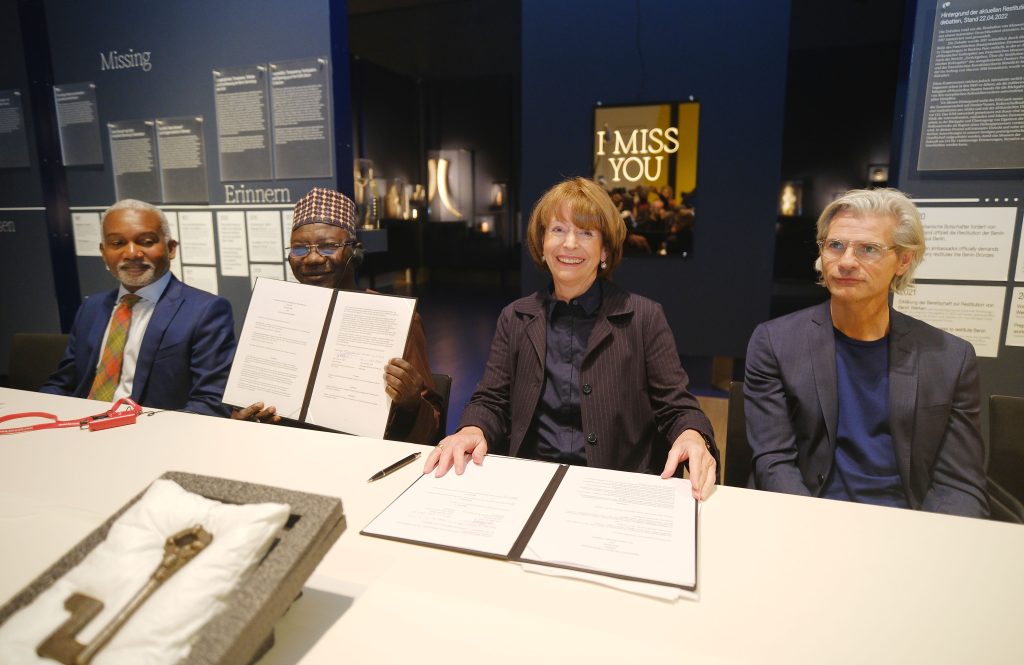
The city is carrying out extensive provenance research to enable the restitution of art and cultural assets across nine city museums. In 2007, a provenance research team was established to systematically review all items in the municipal collections and determine whether they rightfully belong to the city’s institutions, from Nazi-looted art to colonial-era artefacts. As part of a national restitution process, Cologne repatriated 92 Benin bronzes from the Rautenstrauch-Joest-Museum to Nigeria in 2022.
Cultural heritage and infrastructure
Cologne boasts a rich history spanning 2,000 years, from its foundation by the Romans and its rise as a medieval trading hub, through to its Napoleonic occupation and incorporation into the Prussian state. This history has fostered a remarkable cultural and artistic diversity in the city.
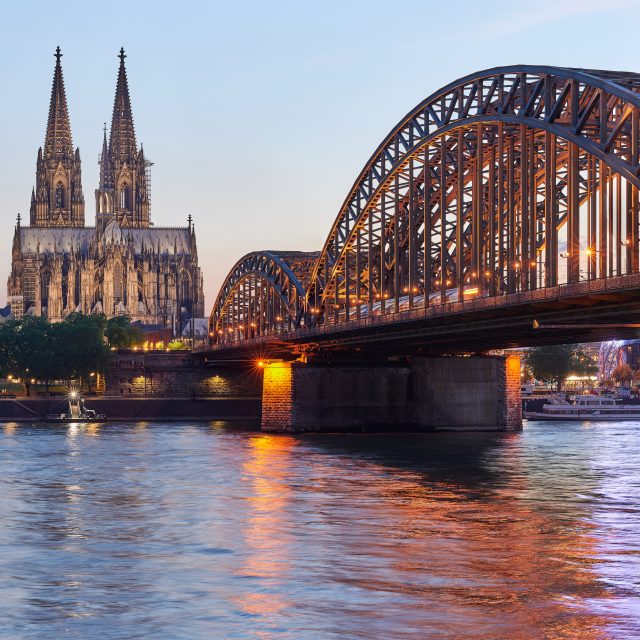
Despite significant destruction during the two World Wars, which affected historical landmarks and cultural heritage such as the famous Cologne Cathedral, the city underwent extensive reconstruction from 1945 onwards. This revival restored its cultural scene and economic vitality, turning the city into a hub for artists, writers, musicians, and intellectuals. The city has attracted notable residents such as artists Sigmar Polke, Gerhard Richter, Heinrich Böll, and Hilde Domin.
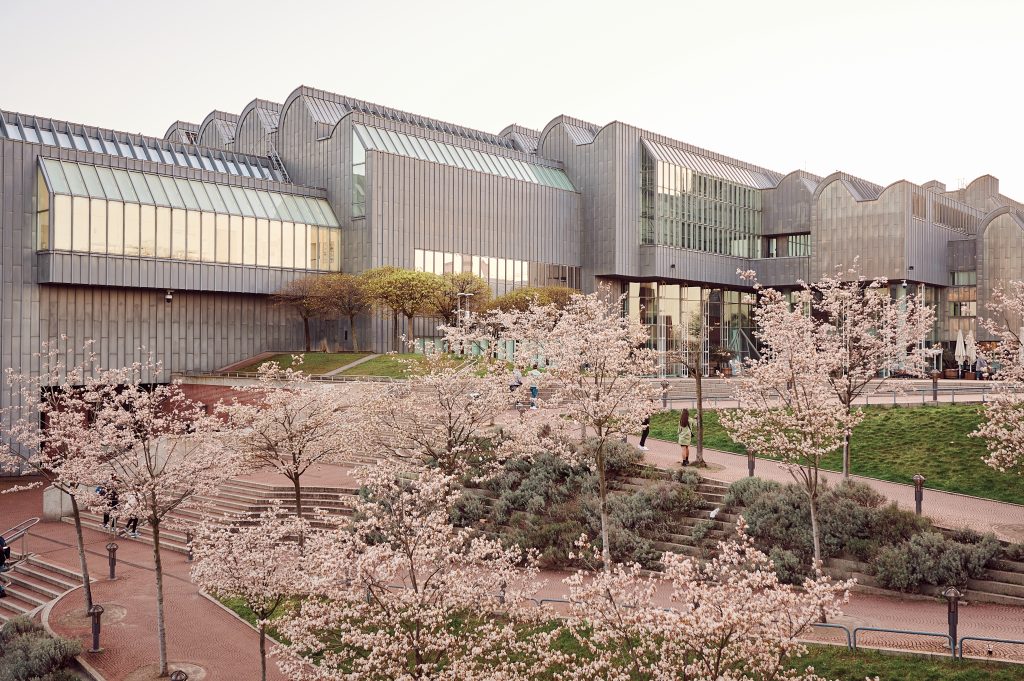
Over 100 museums trace the city’s cultural heritage through the centuries. The Museum Ludwig houses the most extensive Pop Art collection outside the USA, while the Museum of East Asian Art is the oldest of its kind in Germany. The Romano-Germanic Museum delves into Cologne’s Roman roots with underground ruins and elaborate mosaics.
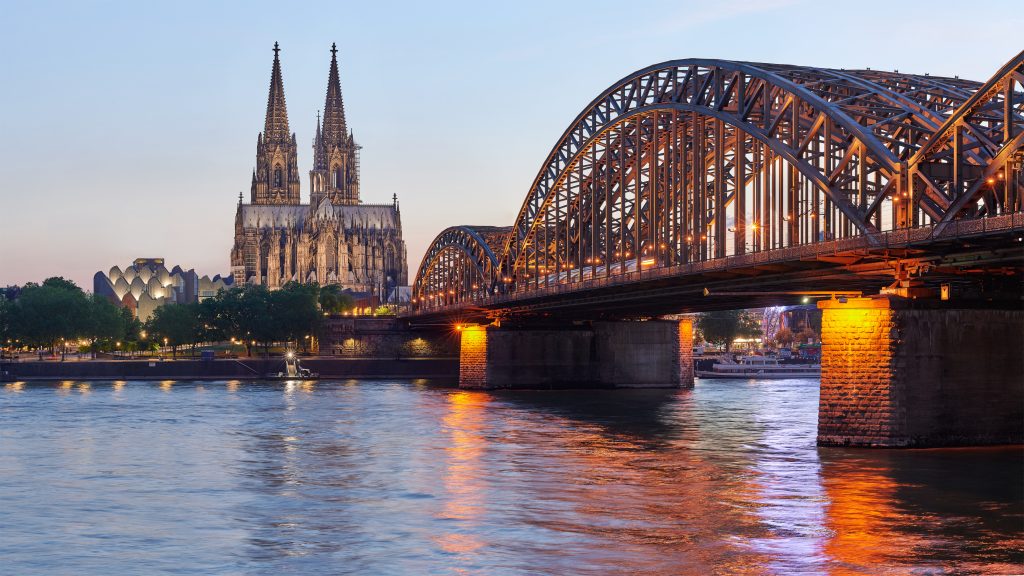
Cologne Cathedral dominates the city centre with its twin Gothic spires soaring 157 metres into the sky, making it the third tallest church in the world. Inside, the Shrine of the Three Magi, preserved from the Middle Ages, is one of the largest and most sophisticated medieval shrines.
Community engagement, social impact and policy innovation
Looking ahead, Cologne aims to revive its tradition as a city of dance. Cologne emerged as a key centre for 20th century modern dance, thanks to the legacy of innovative choreographers like Kurt Jooss and Mary Wigman. The city plans to expand the German Dance Archive Cologne into a research and competence center for dance. This initiative, along with new collaborations with institutions such as the Cologne University of Music – Europe’s largest academy of music – will help solidify Cologne’s status as an international dance hub. To support this goal, the city is also establishing an independent dance department within the municipal theatres and creating a new dance venue.
Cologne aims for climate neutrality by 2035 and is setting new standards for sustainable culture. The Department of Art and Culture’s “Köln hoch 3” project, launched in September 2023, provided professional training to 19 managers from 17 multidisciplinary cultural institutions, helping them implement sustainability goals and practices within their organisation.