Cultural Policy in Beijing
China’s capital is balancing cultural tradition with transformation


Beijing, often referred to as “Jing”, is the capital of the People’s Republic of China and a dynamic confluence of political leadership, ancient heritage, and modern innovation. With over 3,000 years of urban history and nearly 900 years as a national capital, Beijing stands as a living archive of Chinese heritage and a global hub for cultural exchange.
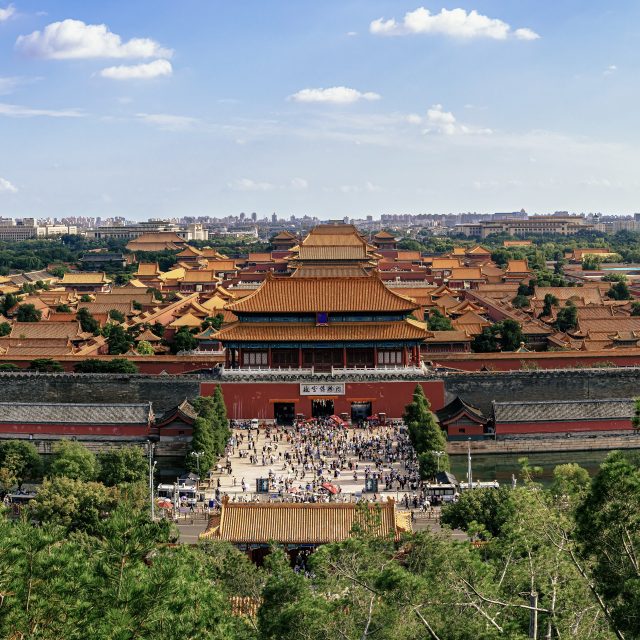
Beijing is home to eight UNESCO World Heritage Sites—more than any other city in China—including the Forbidden City (Palace Museum), the Great Wall, the Temple of Heaven, and the Grand Canal. These landmarks reflect Beijing’s enduring status as a cultural and political powerhouse. The city’s physical footprint, spanning 16,410 square kilometers and surrounded by mountainous terrain, adds to its geographical significance on the North China Plain.
Cultural policy in Beijing is underpinned by a strong commitment to preservation, innovation, and public engagement. In 2024 alone, the city hosted more than 16,000 cultural activities aligned with both traditional and contemporary events—from the Spring Festival to National Day—delivered through both digital platforms and on-the-ground programming. These initiatives are enabled by an expansive network of 7,176 public cultural facilities, covering 99% of the urban area and creating a “15-minute cultural service circle” that ensures convenient access for residents citywide.

Beijing’s cultural tourism continues to thrive. In 2024, the city welcomed a record-breaking 372 million visitors and tourism revenue surged to 672.24 billion RMB (equivalent to $94 billion dollars). Events like the “Jingcai New Year Lantern Carnival” alone drew 190,000 tourists and generated over 15.7 million RMB, highlighting the city’s growing cultural tourism.
Looking ahead, Beijing’s 2025 cultural agenda is anchored by a three-year action plan to preserve the Beijing Central Axis, recently added to the UNESCO World Heritage List. This effort aligns with broader initiatives to protect and activate major historical corridors, including the Jingxi Ancient Road and the Xishan-Yongding River Cultural Belt.
Performing arts play a central role in the city’s cultural strategy. In 2024, Beijing staged over 57,000 commercial performances, attracting more than 12.8 million attendees. Cultural districts in Wangfujing and Sanlitun are emerging as vibrant creative hubs, bolstered by campaigns such as “Bravo to Beijing” and “Superior Audio-visual Beijing.” Signature events like the Beijing Music Festival and the Beijing International Film Festival further position the city as a nexus of international artistic exchange.
Beijing is also investing in the preservation and promotion of Intangible Cultural Heritage (ICH). The city’s first ICH experience center is housed in traditional Siheyuan courtyards. The inaugural Beijing International Intangible Cultural Heritage Week in 2023 welcomed projects from 39 countries, showcasing Beijing’s leadership in global heritage dialogue.

Complementary grassroots initiatives, such as the popular “Cycling in Beijing” project, reinforce the city’s dedication to citizen-centered cultural access and sustainable urban engagement.
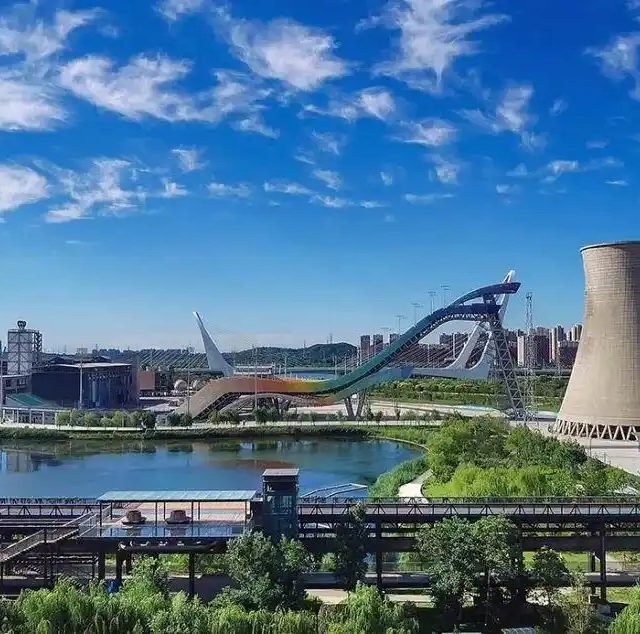
From imperial relics like the Temple of Heaven to modern icons such as the National Centre for the Performing Arts and Olympic landmarks like the Bird’s Nest, Beijing is a city where legacy meets future. Through a balanced cultural strategy focused on inclusivity, creativity, and conservation, Beijing continues to inspire both its citizens and the world.