
Cultural Infrastructure: Establishing a dedicated Pavilion of Dance in Warsaw
Project: Strengthening cultural infrastructure and art inclusion with a participatory approach

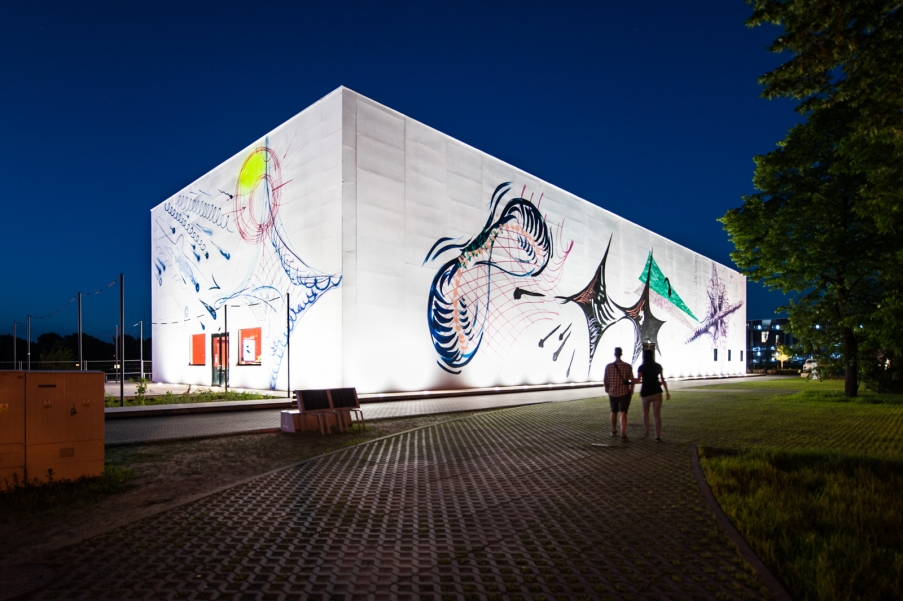
The Pavilion of Dance is a new cultural institution currently being developed in Warsaw to address the city’s long-standing lack of a dedicated space for contemporary dance and performance. Repurposing the Pavilion on the Vistula — a building formerly used by the Museum of Modern Art — the project is designed as both a physical venue and a policy tool. Its purpose is to provide infrastructure, visibility, and stability for the dance sector, while fostering broader public engagement with performance arts. The initiative is the result of extensive dialogue between the City of Warsaw, cultural policymakers, and the dance community, and represents a major step towards systemic support for this underrepresented art form.
Addressing a gap in cultural infrastructure
For decades, Warsaw’s dance community has lacked a permanent venue, relying on scattered arrangements with theatres and cultural centres. This fragmentation limited the growth of the sector and weakened its ability to build audiences. The City of Warsaw recognised that without infrastructure and stable funding mechanisms, contemporary dance and performance would remain marginalised within the cultural ecosystem. The Pavilion project was conceived as a direct response to these challenges, aiming to unify the community while aligning with the city’s cultural development priorities.
A participatory and policy-led process
In January 2023, when the Museum of Modern Art relocated to its new building at Parade Square, the Pavilion on the Vistula became available for reuse. Rather than impose a top-down solution, the Culture Department initiated a participatory design process led by architect Maciej Siuda. Through workshops and consultations with dancers, curators, and producers, the pavilion is being adapted to meet the sector’s specific needs.
At the same time, the Warsaw Observatory of Culture facilitated extensive consultations to shape a pilot programme that would test curatorial and organisational models. An open call for curatorial concepts resulted in the selection of a proposal by a collective of Alicja Berejowska, Renata Piotrowska-Auffret, and Joanna Szymajda, which will guide the programme’s first year.
Establishing the Pavilion as an independent institution
In April 2024, the Warsaw City Council amended the statute of the Museum of Modern Art, designating the Pavilion on the Vistula as an official branch of the museum. The Council also approved investment funds for renovations, with the one-year pilot expected to begin in mid-2025.
Although it is too early to assess full impact, the project is already generating excitement within Warsaw’s cultural scene. More importantly, it aligns with strategic policy objectives: strengthening cultural infrastructure, fostering participatory governance, and promoting inclusivity in the arts.
By transforming a temporary museum building into a permanent home for dance, Warsaw is making a decisive investment in an art form that has long lacked institutional recognition. The Pavilion of Dance and Other Performing Arts demonstrates how cultural policy can combine infrastructure development with participatory processes to create lasting value for artists, audiences, and the city as a whole.