Culture meets curriculum: Taipei’s path to creative learning
Project: integrating arts into elementary school with the art education in-depth programme
The Purpose
The City had a many aims for its education strategy: to enhance art appreciation from an early age, combine art and education in a way that improves teaching resources; cultivate future consumers of art, and build relationships between professional art groups and schools.
The Challenge
Taipei City Government is committed to nurturing creative industries in the city, but for a long time, the arts were poorly integrated into children’s education.
The Solution
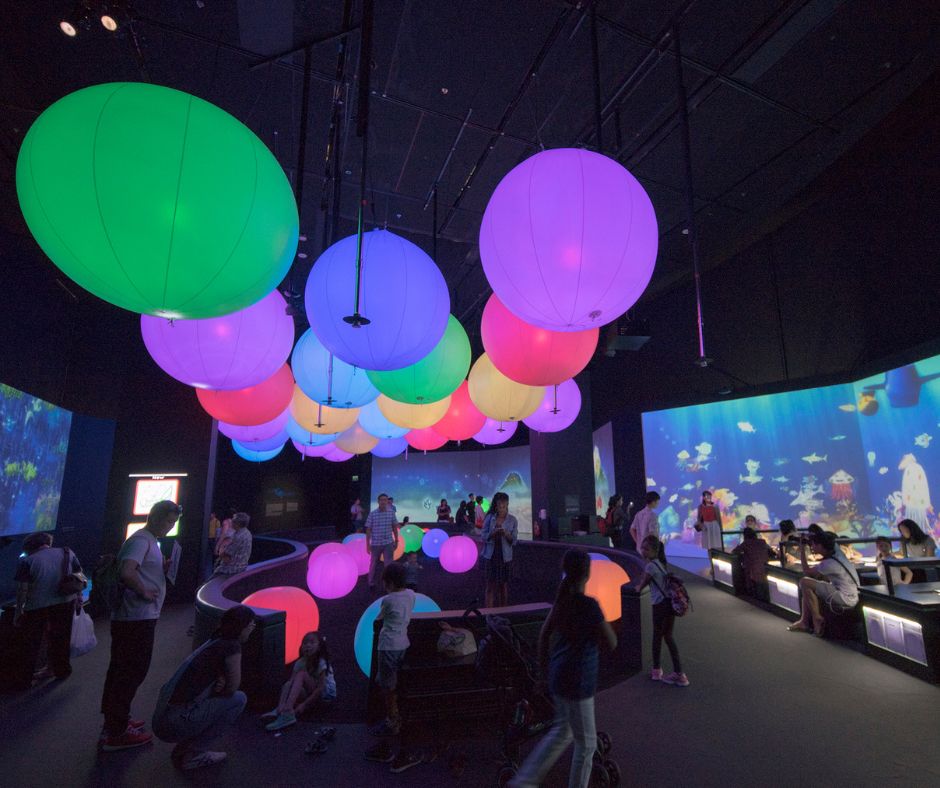
Therefore, in 2005, the Art Education In-Depth Program was set up to embed cultural learning across the elementary school curriculum. It works by drawing on partnerships with professional arts and cultural bodies in the public sector.
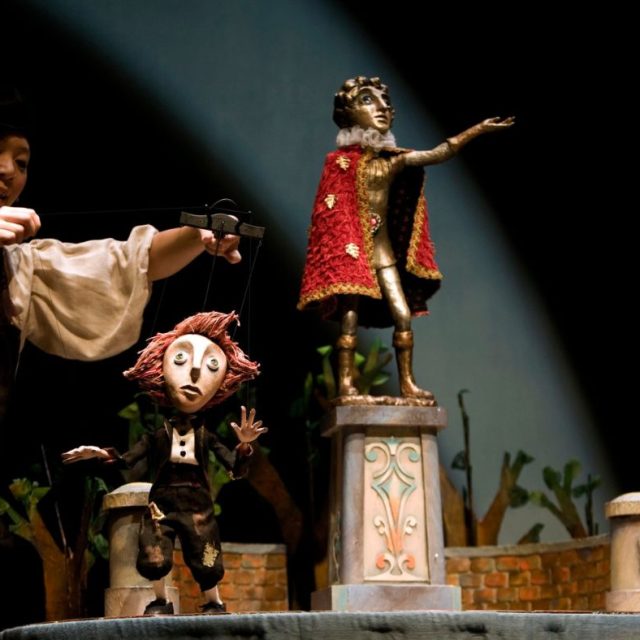
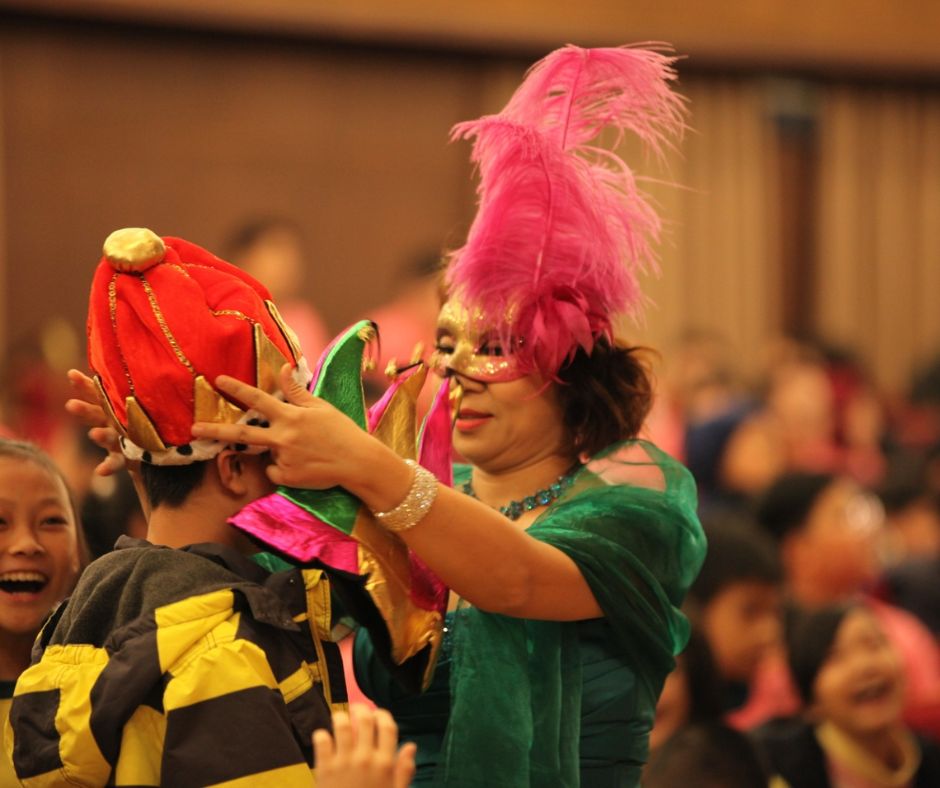
The programme is overseen by the Taipei City Government’s Department for Cultural Affairs (DCA), and is delivered in partnership with the Taipei Cultural Foundation (TCF) and other DCA subsidiary organisations. Every academic year, performances and exhibitions suitable for elementary school children are planned, with a different art form partnership for each year. For Grade Two, the Tapei City Arts Promotion Office and TCF arrange puppet shows, Taipei Fine Arts Museum arranges exhibitions programming for Grade Three, and there are drama programmes at Grade Four, again through the Promotion Office and TCF. At Grade Five, Taipei Symphony Orchestra delivers work around symphony music, and at Grade Six there is a Chinese music programme with the Taipei Chinese Orchestra. Resources from all these participating arts bodies are also gradually integrated into the curricula of elementary school students.
The Impact
The number of students involved has gradually risen from 91,990 in 2005, to 94,657 in 2018 with a high point of 119,777 in 2011. Covid-19 has had an impact on the programme in recent years, however, over the life of the project it has reached over 1.6 million pupils, and the organisers have put some measures in place to prevent further Covid-19 disruption, including online concerts and study manuals to help the work continue.
The project has also been in line with concepts of cultural equity and access to culture, which have gained currency in cities around the world in recent years. This children’s art programme is one of the first where Taipei City aimed to break down barriers of age and recognise the right of younger schoolchildren to have a cultural life. This is also a route for young learners to begin to accept and appreciate cultural differences as they enjoy a wide variety of art forms.
Source: World Cities Culture Report 2022