
Revitalising Cultural Heriatage: Taipei’s Old House Cultural Movement Project
Project: Matchmaking private enterprises with public cultural institutions
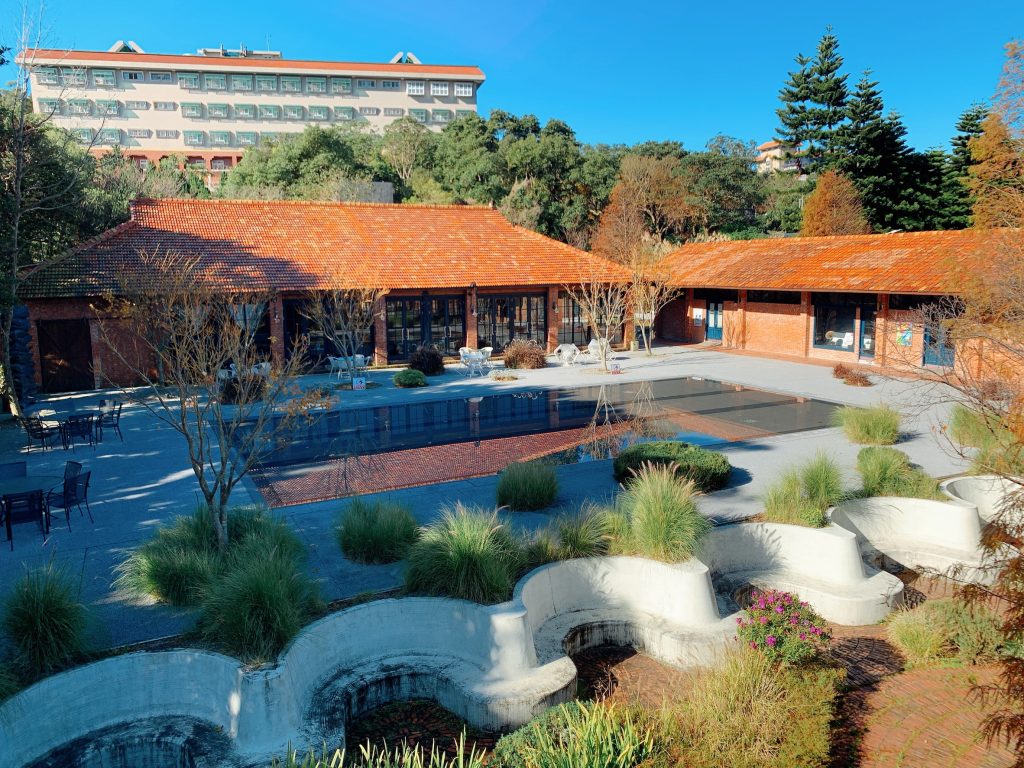
Taipei is home to the highest number of cultural heritage sites in Taiwan, with 571 registered as of February 2025. Many of these sites are publicly owned and suffer from neglect due to limited budgets and staffing, resulting in urban decay and security concerns. The Old House Cultural Movement Project was launched in 2013 to address this challenge, creating a matchmaking platform that connects public institutions managing heritage sites with private enterprises willing to invest in restoration and creative reuse.
The initiative aims to preserve cultural heritage not only through restoration but by integrating these spaces into contemporary urban life. Revitalised sites are transformed into distinctive cultural venues such as exhibition areas, performance theatres, dining establishments, or creative hubs, ensuring both sustainable preservation and dynamic public engagement.

Overcoming challenges in heritage preservation
Previously, restoration projects relied solely on the constrained resources of public institutions, limiting both the scale and quality of conservation work. Taipei sought to break this cycle by leveraging private investment and creativity, but sustaining long-term corporate interest proved difficult. Restoration and ongoing site management remain resource-intensive, and the absence of municipal policies offering rent reductions or tax incentives initially restricted private sector participation. Rising costs due to inflation, labour shortages, and the Covid-19 pandemic further complicated the financial viability of such projects, while high property and land taxes deterred potential investors.
To address these barriers, Taipei lobbied the central government for legislative reform. Amendments to the Cultural Heritage Preservation Act in 2017 and 2023 allowed lessees of public heritage sites to apply for rent reductions based on restoration work and to receive exemptions from property and land taxes.
By integrating these incentives into the matchmaking platform, the city can now offer up to 100% rent waiver depending on annual maintenance and revitalisation performance. This regulatory framework not only eases the financial burden for participating businesses but also ensures that the guiding principles of the Old House Cultural Movement – restoration paired with active operation – are firmly embedded in national heritage legislation.

Transforming heritage into multifunctional spaces
From 2013 to the end of 2024, the Old House Cultural Movement Project attracted approximately USD 21.17 million in private investment to restore and reopen cultural heritage sites.
As Taiwan’s first public-private matchmaking platform for heritage preservation, the initiative has redefined what revitalised heritage can be. Sites are now used for a diverse range of purposes, including performance venues, theatres, bookstores, community wellness centres, cultural and creative hubs, heritage tourism zones, and crowdfunding platforms. By accommodating the needs of different communities, these projects preserve the historical and cultural significance of sites while infusing them with new meaning and innovation.
The success of the Old House Cultural Movement Project has gradually influenced other local governments and the central government, demonstrating the potential of public-private collaboration to transform heritage conservation. By linking corporate investment with cultural engagement, the initiative has created a sustainable model for the ongoing preservation and creative reuse of Taipei’s cultural assets, inspiring a new era of cultural heritage preservation across Taiwan.