Innovative arts in action: Melbourne’s creative spaces initiatives
Project: revitalising Melbourne’s city centre through creative activation
The Challenge
To develop a program that revitalizes the city centre and encourages residents to re-engage with it.
The Purpose
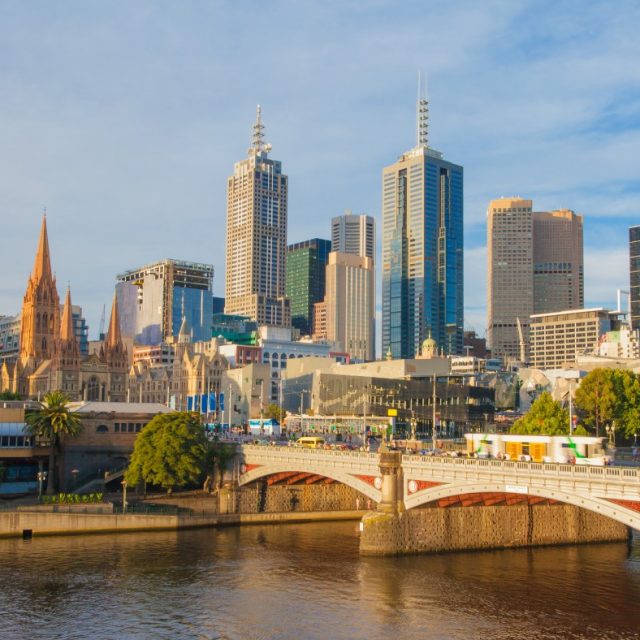
Melbourne’s city centre and central business district (CBD) have traditionally served as both transit and cultural hubs, hosting significant arts events, festivals, galleries and outdoor performances within their boundaries.
However, throughout the pandemic, Melbourne’s CBD faced a significant decrease in activity. Visitor pedestrian activity dropped by 91% compared to 2019 levels, leading to a 93% decrease in retail activity. Furthermore, due to work-from-home directives, city office occupancy plummeted to as low as 4%. Recent increases in commercial rents have compounded these challenges. While central city real estate prices have risen, many players in the creative sector, which has been severely impacted by the pandemic, have not seen growth in their operating budgets.
As Melbourne emerged from 18 months of isolation and lockdown, an opportunity arose to reintroduce residents to their city and find innovative ways to encourage safe reconnection and re-engagement. Melbourne recognizes the creative sector as pivotal to the city’s social and economic recovery post-Covid. As part of this effort, the Creative Spaces program was initiated, including Flash Forward, the Shopfront Activation Program, and a unique pop-up library program.
Flash Forward engaged over 150 artists and creative professionals, including those from diverse backgrounds such as disabled, LGBTQIA+, Aboriginal, and culturally and linguistically diverse communities.

The Solution
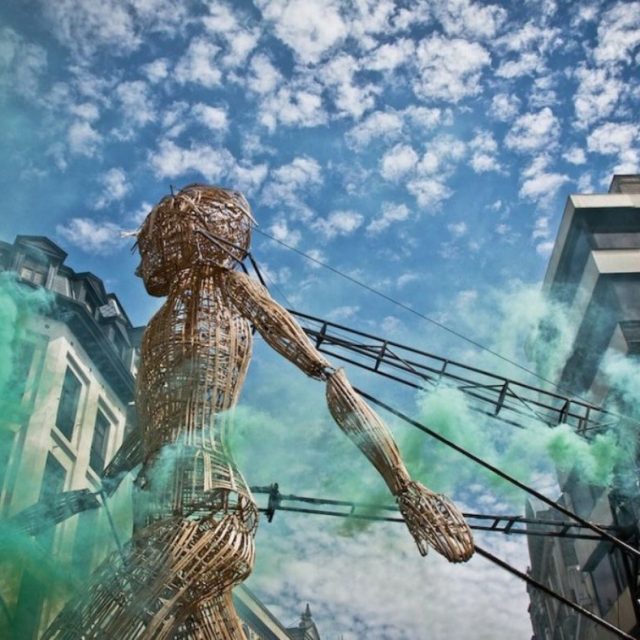
In September 2020, the City of Melbourne, in collaboration with funding partner Working for Victoria, launched Flash Forward. This program commissioned local artists to activate 40 of the city centre’s historic laneways through lighting, music and creative installations. Over the six-month project, the program and artworks were delivered on a rolling basis by a diverse team of production designers, music and visual arts producers, lighting specialists, technicians and marketing experts.
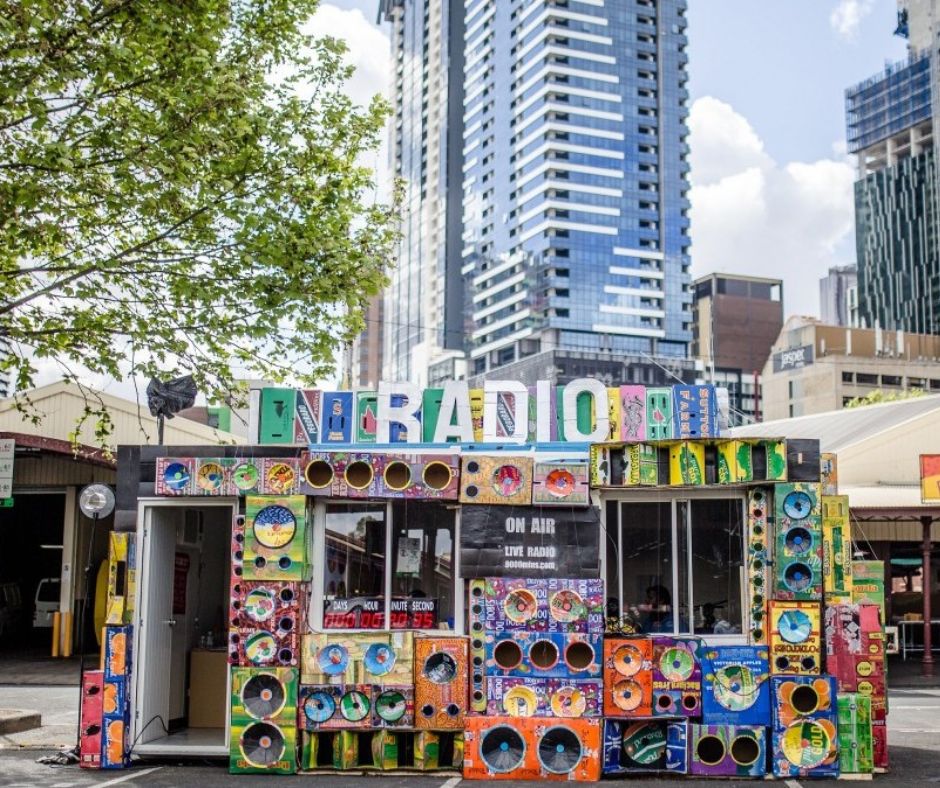
In 2021, the City of Melbourne introduced the Shopfront Activation Program. This program promotes visitation and provides opportunities for creatives, entrepreneurs, independent retailers and social enterprises to utilize space for their practices and bring dormant storefronts to life through creative workspaces, customized displays and pop-up shops. With a budget of AUD 2.6 million, part of the AUD 100 million Melbourne City Recovery Fund, the program is facilitated by three real estate brokerage companies. Artists, creative entrepreneurs, and artisan makers are given low or no-cost space to test their business ideas and rekindle the interest of Melburnians in the city.
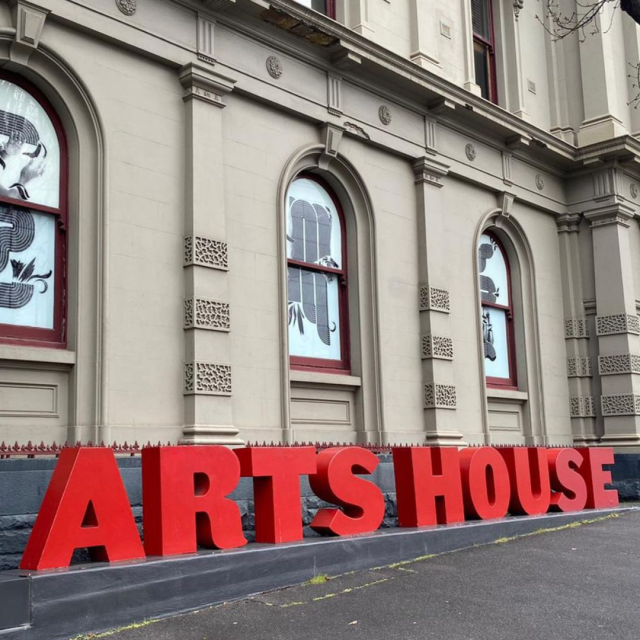
In 2022, the City of Melbourne’s Creative Spaces program partnered with the Victorian Government to secure new spaces in the CBD for the cultural sector’s production and development. While Creative Spaces already hosts numerous creative studios for independent artists throughout the city, it has limited space for small to medium arts and cultural organizations. This project aims to secure over 2500 square meters of office space for arts and cultural organizations in the CBD.
The Impact
These initiatives have had a profound impact on the cultural sector’s vitality within Melbourne’s city centre during an exceptionally challenging period. Flash Forward engaged over 150 artists and creative professionals, including those from diverse backgrounds such as disabled, LGBTQIA+, Aboriginal, and culturally and linguistically diverse communities. The Laneway Revitalization Project successfully attracted people back to the city centre, boosting activity at surrounding shops, bars, and cafes, and contributing an estimated AUD 38.34 million to the city’s economy. Many creative tenants in the 75 storefronts participating in the Shopfront Activation Program have opted for long-term leases after initial success with the program.
Both projects received significant local and international media attention and showcased innovative new models for delivering culture. These models reduced production and turnaround times for new public artworks, removed red tape to provide targeted and equitable emergency support to creative professionals, and demonstrated adaptability in repurposing existing funding.
Another component of the city’s creative reactivation effort is the City of Melbourne’s pop-up library program. These highly tailored pop-ups have been taking over vacant street-front shops in specific city locations. In collaboration with the Victorian Government, these pop-ups reflect the precincts and communities in which they are situated, offering books for loan, creative Maker Spaces, tailored learning programs, writer residencies, book clubs and collaborations with local artists. The program has led to increased foot traffic and street vibrancy, as well as higher numbers of people accessing libraries, benefitting neighbouring businesses.
Source: World Cities Culture Report 2022
Images Courtesy © City of Melbourne