Celebrating Lagos: John Randle Centre pays tribute to Yoruba legacy
Restoring a major space into a new cultural venue
The Purpose
Arts and culture venues in Lagos have historically been exclusive spaces and difficult to access for citizens. The City wanted to focus on initiatives aimed at the preservation of the heritage of the Yoruba, whilst regenerating an old public green space and public swimming pool facility, which had fallen into disrepair.
The Challenge
Restoring a major cultural and recreation space into a new community and cultural centre.
The centre is designed to uplift the image of Lagosians, Yorubas and Nigerians, and explore their pioneers and legacies, including many stories of achievement which have not been properly examined before.
The Solution
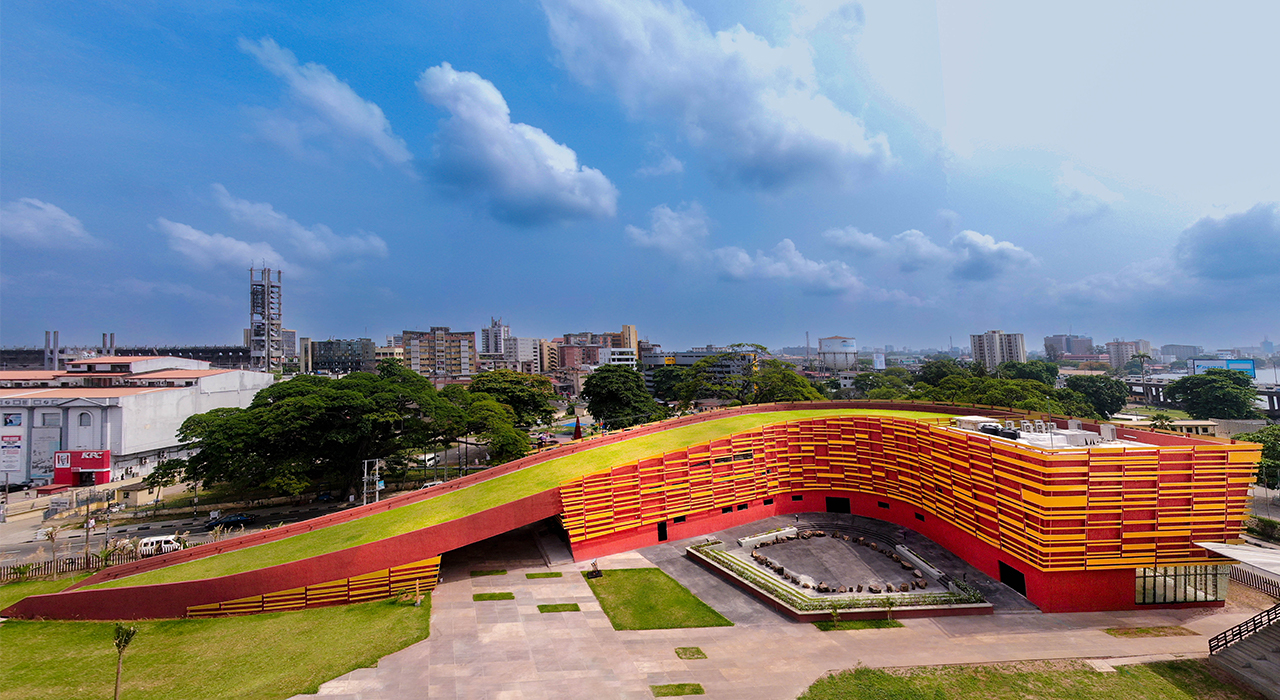
The John Randle Centre for Yoruba History and Culture challenged old patterns by creating a space that promotes local culture and welcomes everyone. The project supports regeneration in the area by restoring a major cultural and recreational facility on Lagos Island.
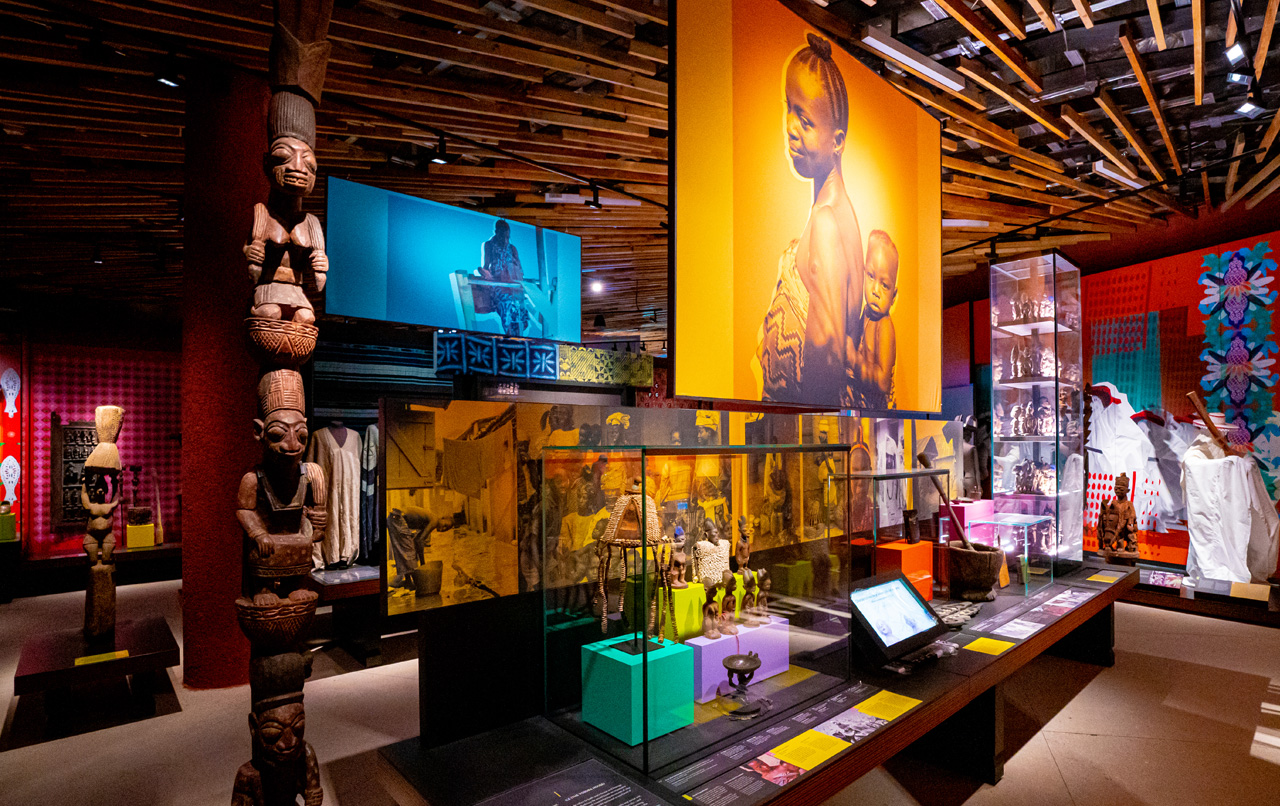
The new building is inspired by traditional Yoruba architecture and craftsmanship. Centred around a 1000-square-metre exhibition gallery, it focuses on Yoruba history, using old and new media. It also acts as a community centre and a place for expressing intangible culture. It has a library, restaurants, bars and a public square.
The regeneration includes a swimming pool which was first opened in 1928 by prominent citizen Dr John Randle so that Lagosians could learn to swim. There is also a performance hall, built in memory of JK Randle in 1956. The project has balanced restoring parts of this dilapidated historic infrastructure alongside the new centre, recreating a sense of valued public space for all.
This new venue is a celebration of Yoruba history, art, language and influence, commissioned by the State. It is designed to uplift the image of Lagosians, Yorubas and Nigerians, and explore their pioneers and legacies, including many stories of achievement which have not been properly examined before. The primary audience for this is local people, especially schoolchildren, but it is also designed to attract tourists and lovers of African art, locally and internationally.
The Impact
It is hoped that the result will be an increased public interest in formal art venues and a restoration of public green and recreational spaces, and that they will be valued both as an asset to Lagos and a place of pride for the community. The precedent set by this project will lead to better funding opportunities for other arts and culture initiatives as the multi-layered benefits become clear.
The John Randall Centre will open to the public in Autumn 2024.
Read more about Lagos’ culture and creative industries in our 2024 Report African Alternatives: The Future of Creative Cities.
Source: World Cities Culture Report 2022
Images Courtesy © Getty/Canva