HOW ARE CITIES MANAGING CULTURAL TOURISM IN THE SOCIAL MEDIA AGE?
Guest blog by Renée Orleans-Lindsay, Communications Intern at World Cities Culture Forum
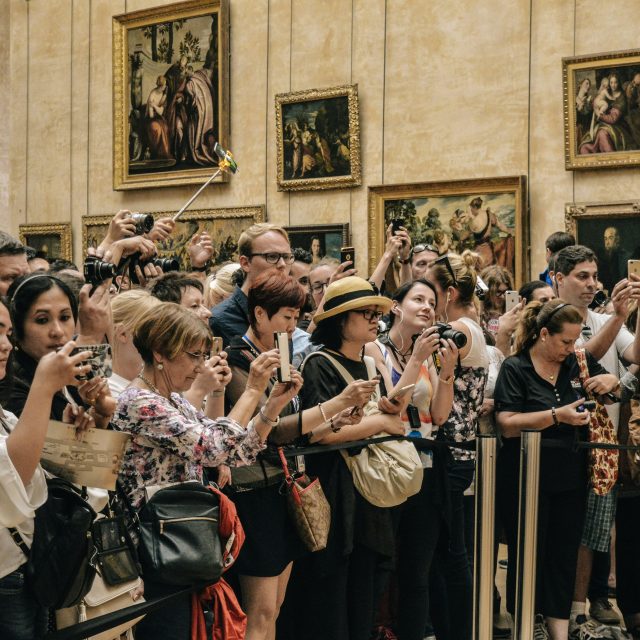
Social media is now a major driving force behind tourism, with 75% of travellers citing it as their primary source of inspiration. As bucket-list itineraries circulate online, cities see visitors concentrate in the same handful of neighbourhoods and cultural sites. Residents in these areas increasingly cite overcrowding and rising costs of living, which threaten to erode the very culture that attracts visitors. The specific challenge for some cities is not just volume, but the distribution of visitors in hotspots. Tokyo, Seoul, and Barcelona are approaching the issue in different ways.
Social media is now a major driving force behind tourism, with 75% of travellers citing it as their primary source of inspiration.
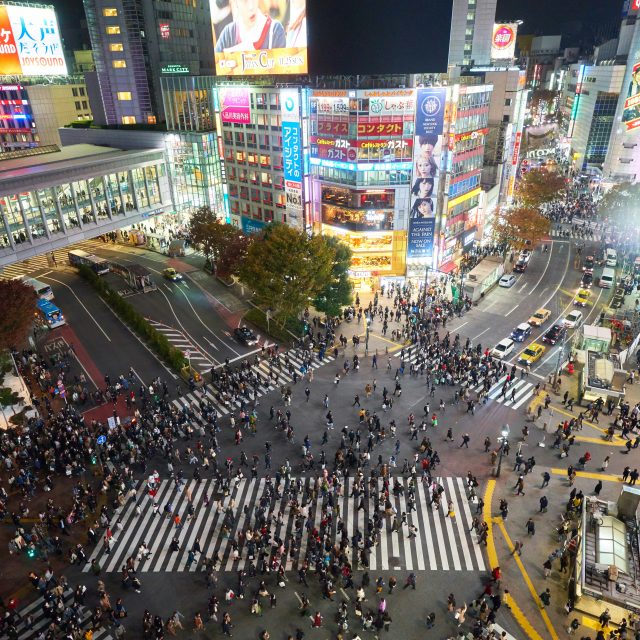
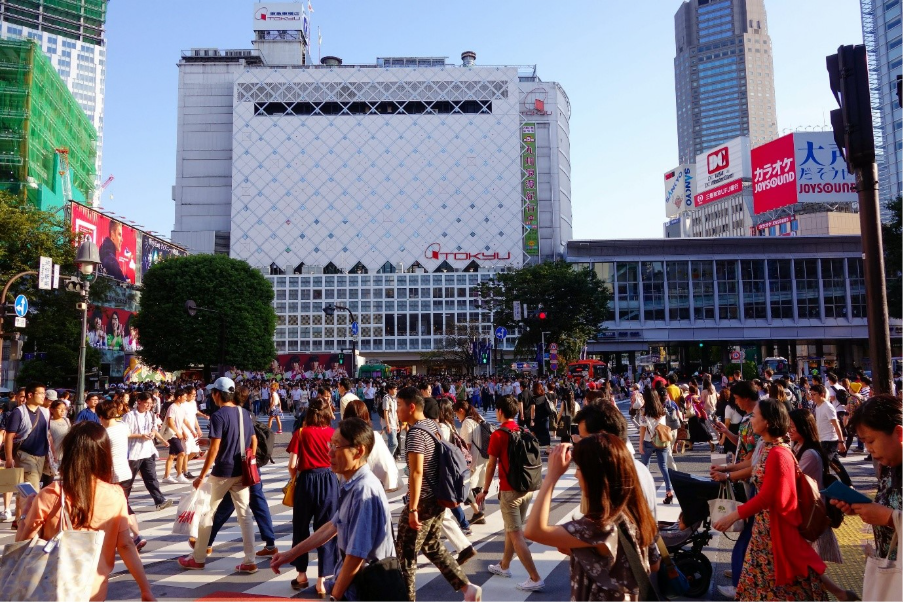
Tourism in Japan is already heavily concentrated in five cities (Tokyo, Osaka, Kyoto, Sapporo, Fukuoka), and recent headlines have included the cancellation of the annual cherry blossom festival in Fujiyoshida, and the temporary erection of a black screen to ward off tourists posing in front of Mount Fuji. In Tokyo, which accounted for half of the country’s record 42.7 million international visitors in 2025, Shibuya Halloween celebrations popular with tourists were heavily restricted due to noise and overcrowding. But the city has also been adopting technology-based approaches to address visitor distribution challenges.
The Tokyo Metropolitan Government is helping small and medium-sized tourism-related businesses to develop AI crowd forecasting tools and new activities inspired by Tokyo’s culture and nature, which could reduce congestion and provide more options for cultural tourists. In 2025, the Tokyo Convention & Visitors Bureau introduced Odekake Watcher (Outing Watcher), a digital tool that analyses the crowd flow of foreign visitors. Such data can be used to make public-facing tools such as Kyoto’s Congestion Forecast, which uses AI to predict the best times to visit major sites.
6,100 residents, 6 million visitors – Bukchon hanok village, Seoul
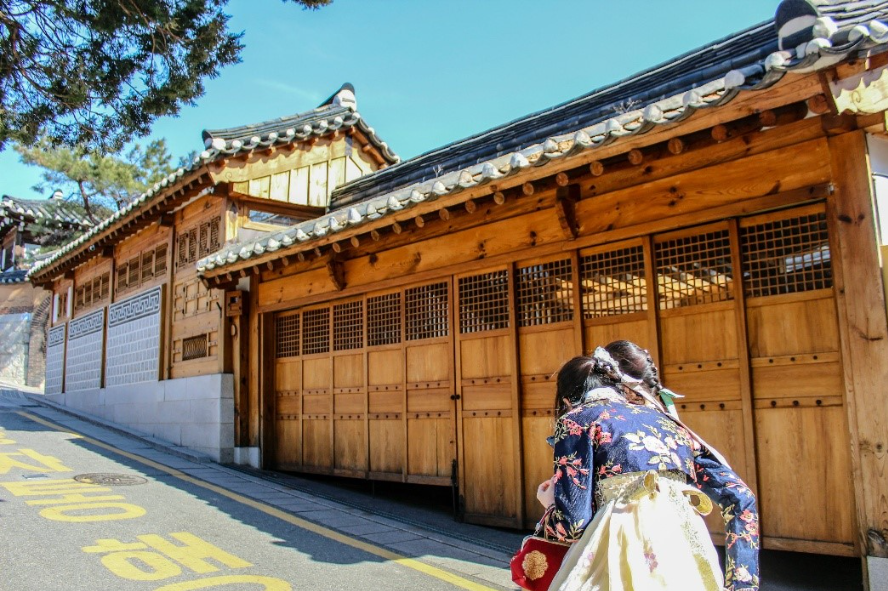
Seoul has become an increasingly popular destination for international tourists, influenced by the soft power of Korean pop culture. Visitors cluster around specific neighbourhoods in the city, especially the traditional hanok villages in the central Jongno district, popularised by K-dramas like Goblin and The Heirs. The Bukchon hanok village has become Seoul’s most photographed neighbourhood, receiving an average of 6.4 million visitors in 2023 despite its declining population of 6,100 at the time. From 2018-2023, the village population dropped 27.6%, and resident complaints rose by 260%.
The city is taking action to protect the hanok, which are largely residential, from overcrowding and overcommercialisation. Tourist entry is now managed to protect residential life, with evening visits restricted and measures in place to limit tourist bus access during peak periods. New signs and maps encourage visitors to explore nearby public cultural sites, such as Baek In-je House and Gahoedong Catholic Church. The city is also providing special funding to each of its 25 districts to develop new visit-worthy sites in their neighbourhoods, to prevent spots like Bukchon from being overwhelmed.
Barcelona has appointed a new commissioner for sustainable tourism
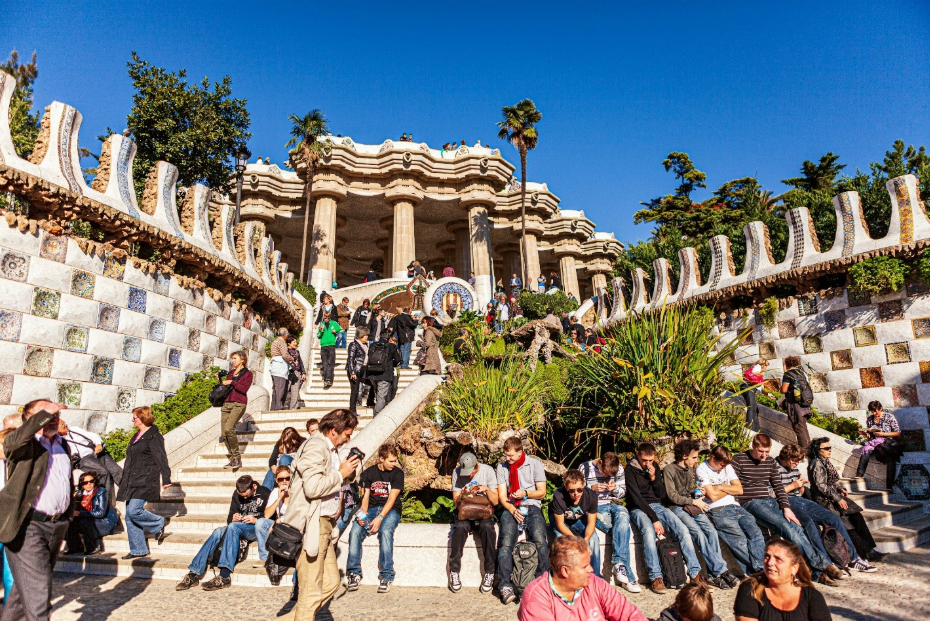
Overtourism has long been a challenge for Barcelona. The coastal city hit a record 15.7 million visitors in 2025, and resident frustration has spilled into anti-tourism protests. The uneven distribution of visitors has been demonstrated by an academic study mapping Barcelona’s geotagged Instagram data, which found tourist posts overwhelmingly clustered around the Sagrada Familia and the Park Güell areas, mirroring the city’s most heavily touristed areas.
High tourist numbers create quantifiable pressures, such as overcrowding in historic neighbourhoods, but also impact something harder to measure: a sense of civic and cultural belonging for residents. For example, research shows that Barcelona’s residents now avoid La Rambla, the city’s famous boulevard, due to the influx of tourists frequenting the area. The Barcelona City Council is working to reverse the process of ‘touristification’ that gradually reduces the number of places where residents feel they belong, while increasingly optimising the environment for short-term visitors.
This initiative is spearheaded by the newly created role of Commissioner for Sustainable Tourism, who has announced a hard limit of 16 million annual visitors and aims to halve the proportion of leisure tourists, who do not significantly engage with the city’s wide range of cultural offerings. The Commissioner is also putting an end to tourist-orientated takeaway stalls in the La Boquería market, which has applied for UNESCO Intangible Cultural Heritage status, so it can return to being a local market for residents. As part of the City Council’s new Management Plan for High Affluence Spaces, the Boqueria market will be one of 16 overcrowded locations prioritised for an improved balance of visitor flow with residents.
By treating tourism management as a challenge of distribution rather than volume alone, these cities show that policy interventions can benefit tourists and residents alike.